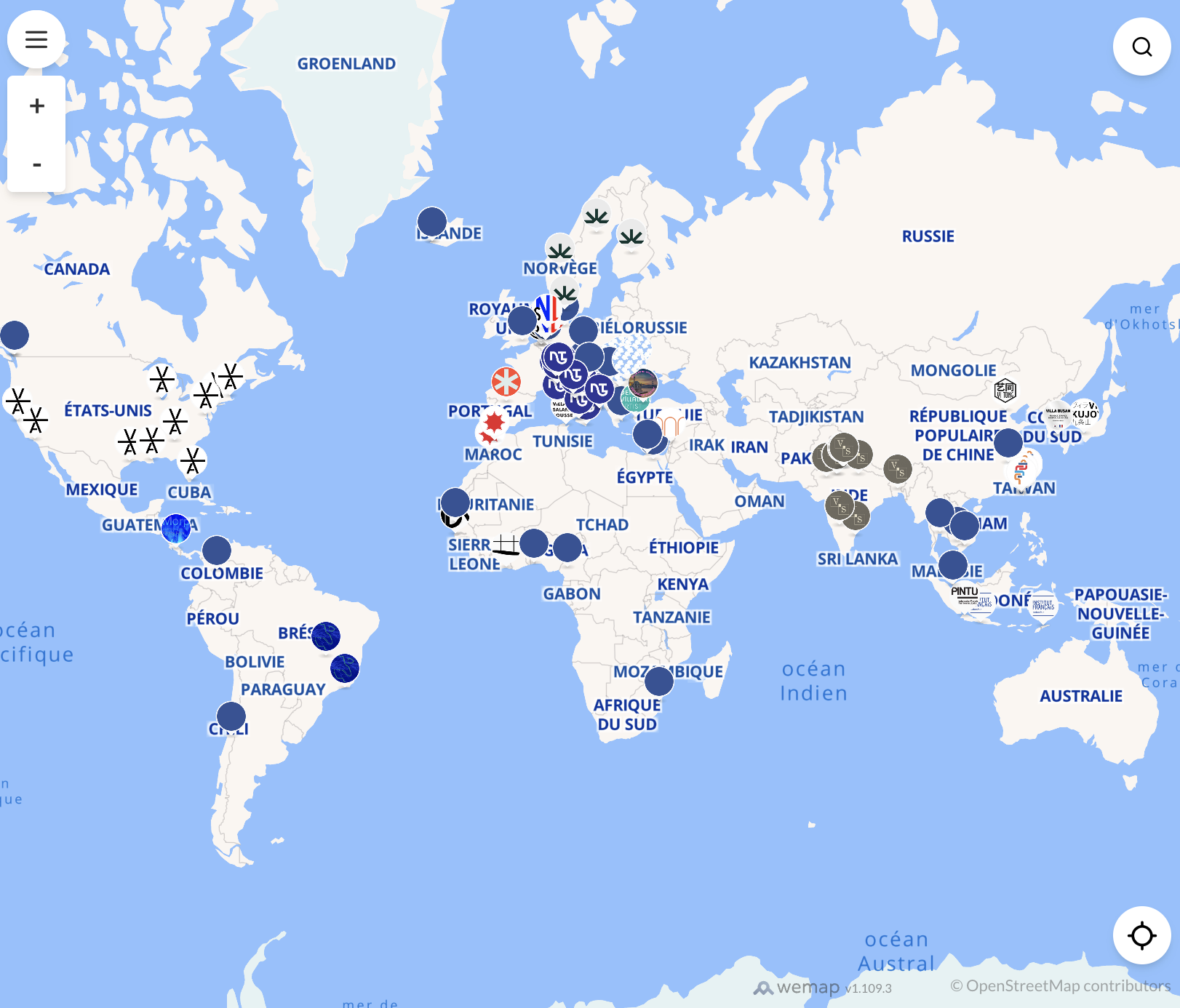
Music creation centers, regional hubs, motion capture studios, craft workshops, and fablabs… The spaces dedicated to digital creation across the territory are highly diverse, yet they share common values. Skill-sharing, networking, artist residencies, and collaborative support all define their work. Here is an overview of these spaces and the philosophies that shape them.
What do the places where digital artworks are produced actually look like? While various initiatives aim to map the diversity of existing sites—from fablab directories to inventories of digital residencies—it is striking to observe that these spaces, regardless of their audiences or technological specialties, share a common set of values. Beneath the diversity of tools and practices emerges a philosophy rooted in connection, experimentation, and human-centered support. Take Pôle Pixel in Villeurbanne as an example. “We like to describe ourselves as the place that brings together the entire image sector: traditional cinema, documentaries, animation, video games, and hybrid and digital arts such as immersive experiences and augmented performances,” explains Maxence Grugier, project manager for hybrid and digital arts and coordinator of the Regional Creation Hub for Digital Environments in Auvergne–Rhône-Alpes. Within its 32,000 square meters, the site hosts equipment rental companies, post-production facilities, and sound design studios alongside cultural organizations such as AADN, GRAME, and Erasme, the open innovation lab of the Lyon metropolitan area. The hub reflects the nature of digital creation itself: a convergence of diverse stakeholders, creators, and artistic practices.
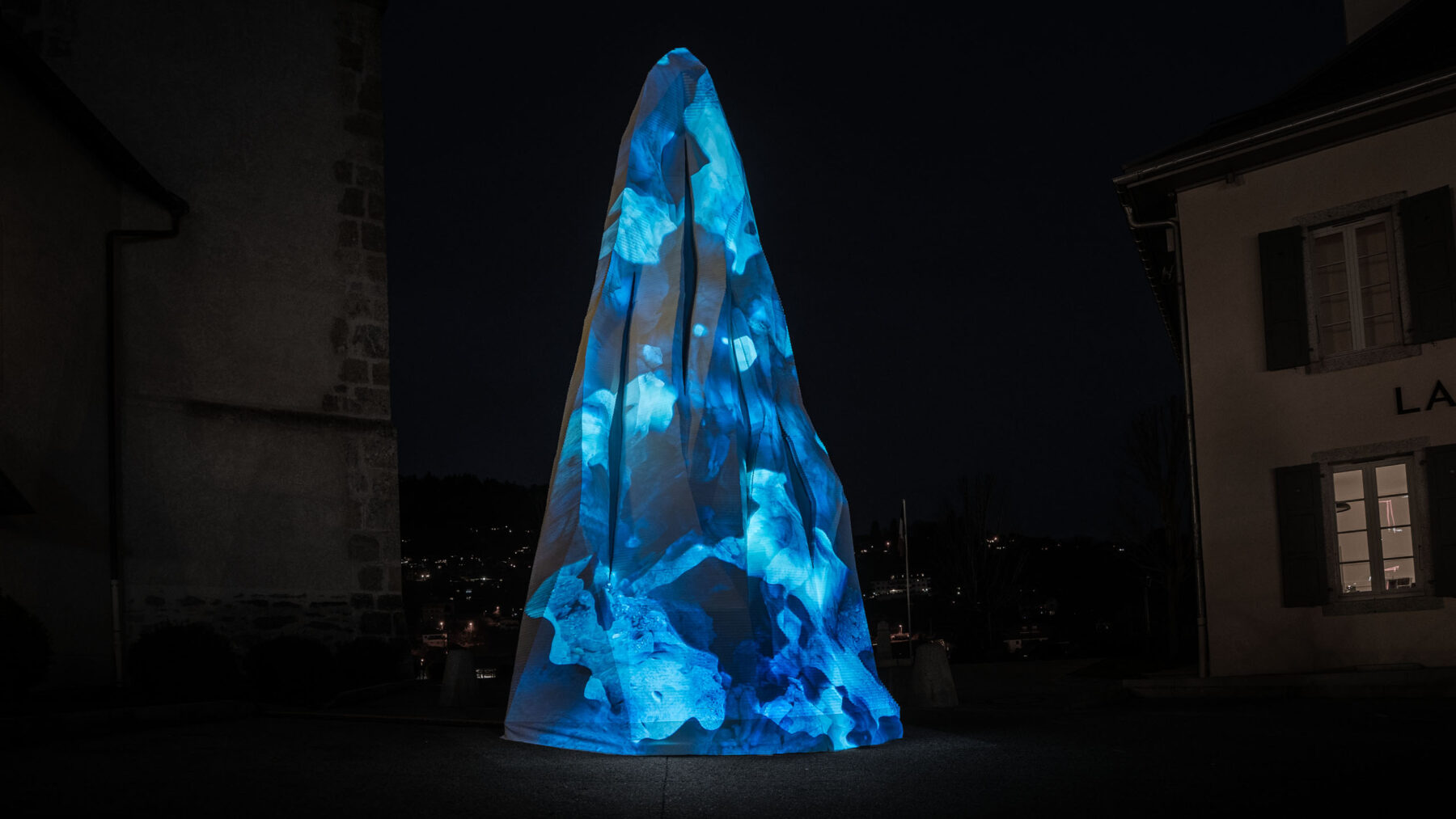
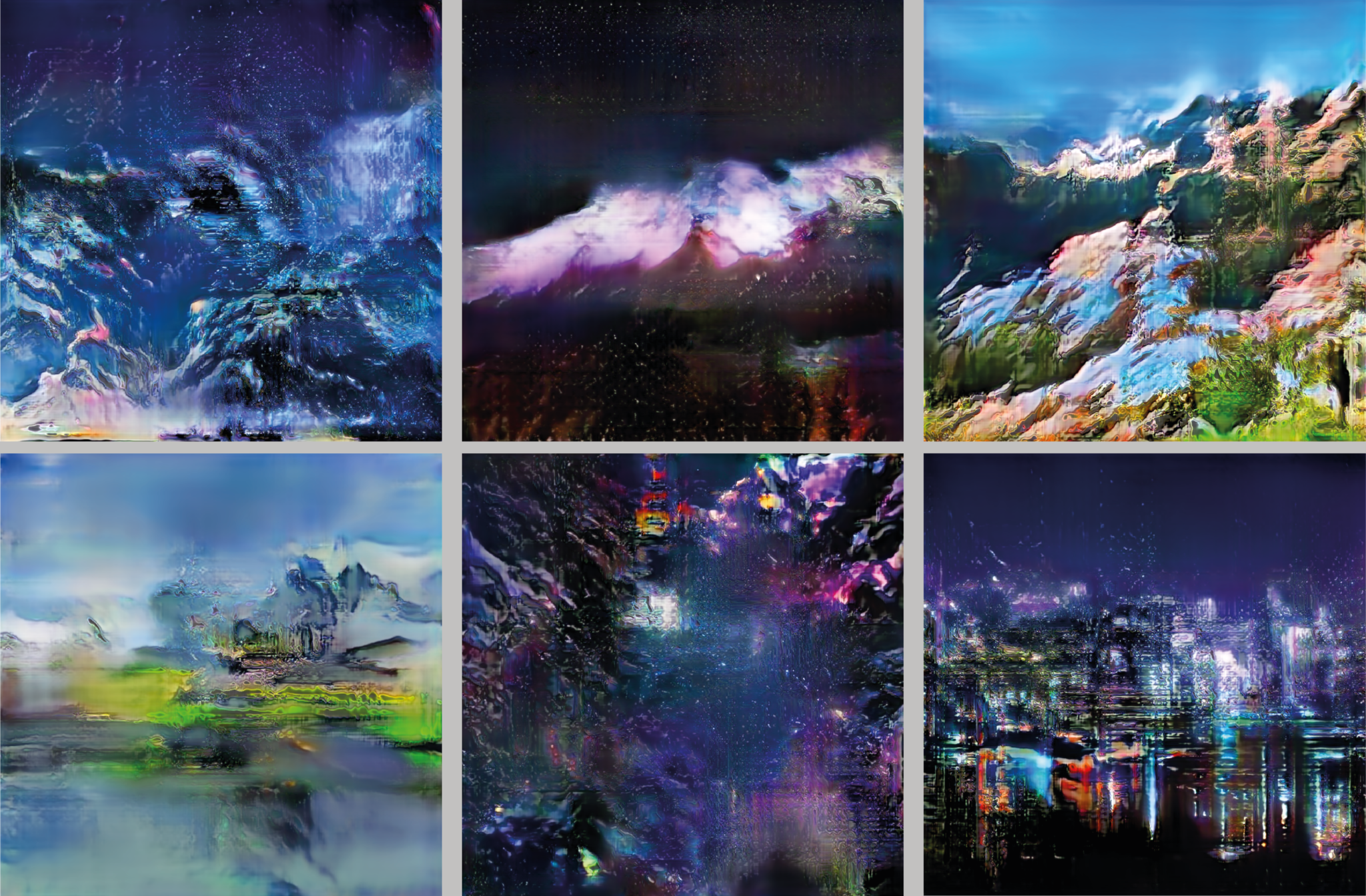
Echoes of Ice – Immersive Light Sculpture
Building Ecosystems, Gathering Communities
“We identify the skills, people, spaces, and topics that can spark something tangible and initiate collaborations (…) We try to maintain a detailed understanding of the ecosystem so we can address the needs of creative and cultural industries operating in the region.” To support this vision, Pôle Pixel has strengthened exchanges among professionals and fostered a community of practice called PRA.L.I.N.E (Lyon-Based Experimental Digital Innovation Artistic Practices). It was recently designated as a regional hub for artistic creation in digital environments. “In the Auvergne–Rhône-Alpes region, we are working to structure a network of cultural, technical, artistic, and scientific stakeholders serving digital creation,” Grugier adds. Like Pôle Pixel, now act as catalysts for artistic dynamics and are, in practice, at the very heart of how digital artworks are produced.
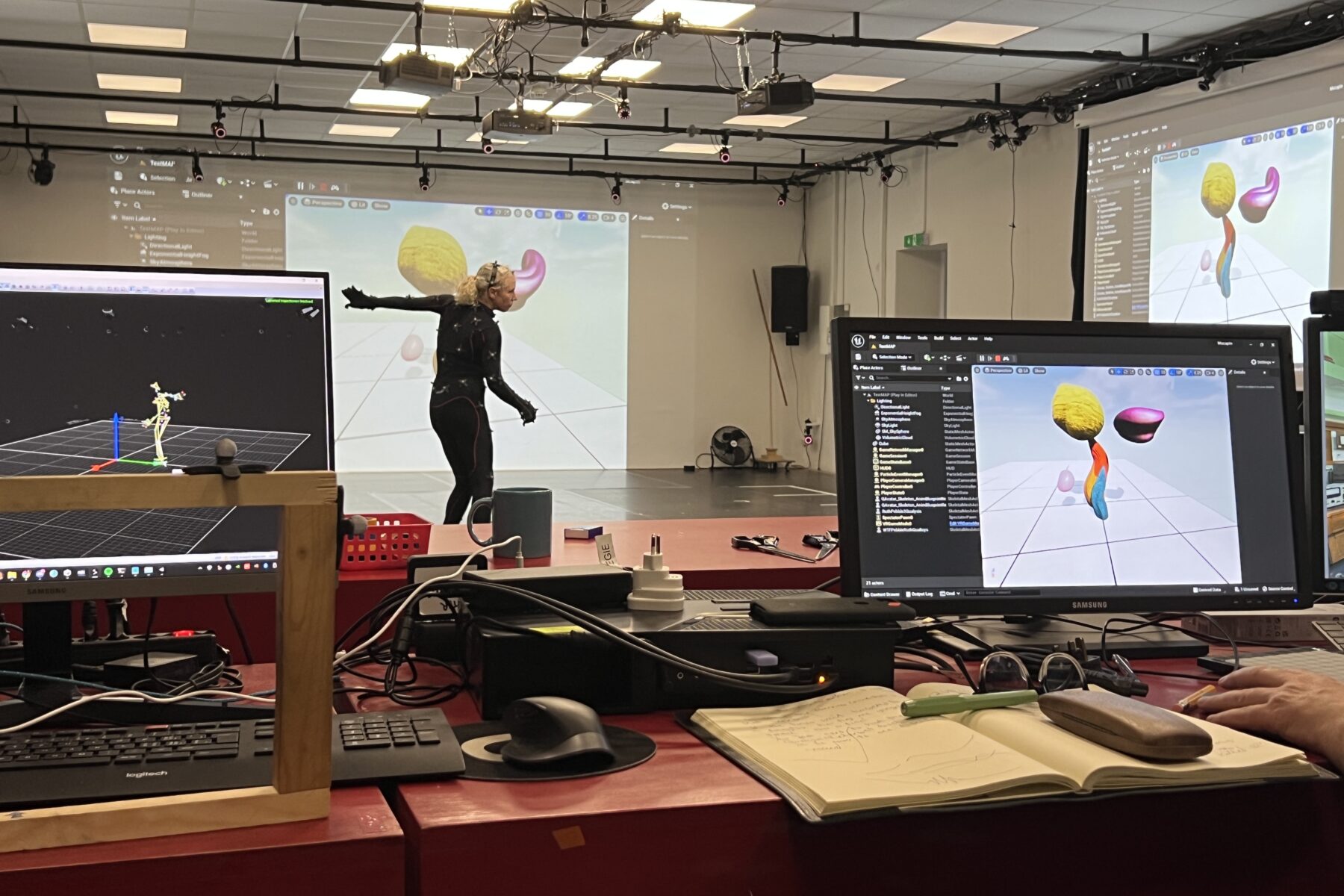
Driven by a broader trend toward specialization—visible in fields such as virtual production and motion capture—this ecosystem-building logic can be found across many territories. A case in point is Studio44 Mocaplab in Switzerland, founded by choreographer Gilles Jobin. “We are building both a hub of expertise and a network at the same time. In our field of digital live performance and choreography, practitioners are scattered around the world and can be difficult to identify. Digital choreography represents new territory for dance—we are one of the last art forms to be digitized.” This exploration is “fascinating,” Jobin explains, but requires the development of entirely new tools and expertise. To capture movement as precisely as possible, technology plays a central role. Initially developed to serve his own company before opening to other artists, the studio is equipped with 42 infrared cameras for motion capture, suits embedded with markers, and software described as “recent, fast, and precise.”
Studio44 Mocaplab – Gilles Jobin
Human Support at the Core
While the technology is cutting-edge, it is artistic understanding and technical expertise that make the real difference, Jobin emphasizes. Within the company, developer Adryan Barrilliet works full time, while performer Susana Panadés Diaz also serves as a movement coordinator with deep knowledge of how performers must adapt their bodies to digital capture. The company has also built a network of about fifteen experienced motion-capture dancers who can contribute to ongoing projects. “We don’t just provide technology—we provide know-how,” Jobin explains. “We also help with project design. Our involvement enables resident artists to expand their ideas.” Because team members are themselves artists—or have developed strong artistic sensitivity through collaboration—they are able to understand and respond to the needs of artists in residence. “We need technologists who understand dance, who know what a performer can bring to the process.”
At GRAME, the National Center for Musical Creation in Lyon, also located in Villeurbanne, the institution’s strength likewise lies in the expertise mobilized by its teams, explains General and Artistic Director Nadia Ratsimandresy. One key role is that of the RIM—Réalisateur Informatique Musicale—a professional who bridges technical, artistic, and research dimensions while understanding artists’ expectations. “It’s essentially a sound engineer plus-plus,” she summarizes. The goal is to support artists whose projects align with GRAME’s mission—engaged, experimental, open, and collaborative—regardless of their technical knowledge. “It’s a very open creative environment. If an artist has an idea or an intuition, we explore together what is needed to make the work exist.” The RIM then develops the necessary tools and transfers them to the artist, enabling independent use. This tailored support comes at a cost: GRAME covers the RIM’s working time, accommodation, and meals. GRAME also collaborates with researchers onsite, jointly affiliated with INSA and INRIA, specializing in sound-related technologies. These researchers developed FAUST, an open-source programming language dedicated to sound synthesis and processing, now widely used in GRAME projects and tools.
Adapting Production Processes
These customized forms of support are particularly suited to a sector where projects rarely fit neatly into traditional cultural policy frameworks. This is the case at Saint-Ex in Reims, a space dedicated to digital practices and cultures. For more than ten years, this third-place venue has supported professionals and artists working in digital environments. Its teams foster creation, research, and professional development, notably through the Fluxus artistic incubator. “The very long timelines involved in digital creation don’t fit existing formats and programs typically found in more traditional venues,” explains Géraldine Taillandier. “When we support artists, we often see that they feel lost when it comes to navigating available resources.” In more traditional performing arts venues, co-production systems are well established, she notes. In digital creation, however, such networking and collective working models remain less common. “That makes connection-building all the more important.”
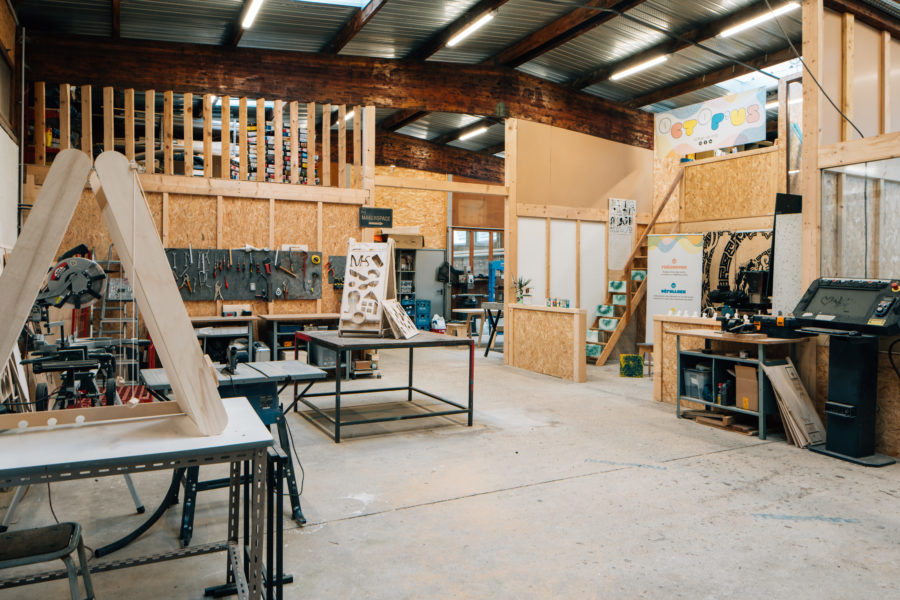
Les Ateliers Éclairés
At Saint-Ex, Taillandier works through open calls while remaining flexible about formats. “We have multiple entry points. Artists can receive support in the fablab for production tools, or we can provide spaces for creation and rehearsal.” This flexibility makes it possible to support projects even in the absence of dedicated residencies or production funding. “For organizations without funding tied to grant programs, it’s essential to rely on their communities, internal expertise, and production resources,” adds Noé Milesi, director of the cultural third-place venue Les Ateliers Éclairés in Strasbourg. “We have spaces, tools, talented residents, and a network—that’s what we connect and integrate into our community.”
Accessibility and Cultural Rights
Accessibility, inherited from maker culture, is another core principle shared by these production spaces. “The goal is to make digital tools accessible to everyone,” Taillandier argues. “Artistic entry points allow us to mediate and create encounters between professional and amateur practices.” This reflects what Nadia Ratsimandresy describes as cultural rights, the backbone of her strategic vision at GRAME: “It’s the right to participate, to create, to express oneself (…) It’s a strong strategic and political choice to provide access to these professions and these skills. ”
For the past decade, Adrien Cornelissen has explored the frictions between technology, contemporary creation, and the cultural and creative industries. A journalist and ideas curator, he contributes to publications such as Fisheye Immersive, XRMust, Nectart, and the Revue AS. He also leads the development and editorial coordination of HACNUMedia, a media platform focused on technological shifts in the arts and culture sector. As a speaker at festivals and higher education institutions, he also advises cultural organizations and artists through his agency Bas·alt.