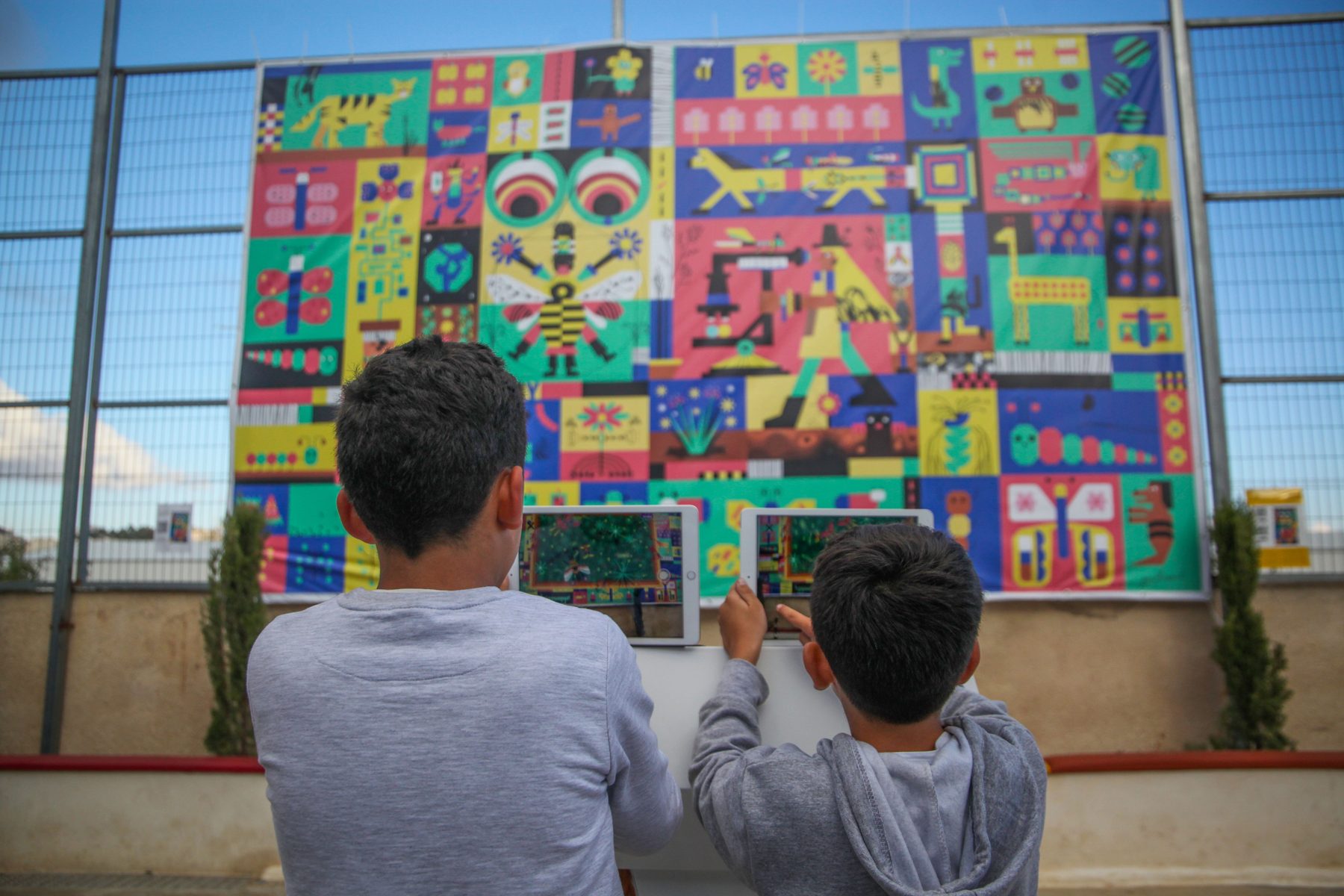
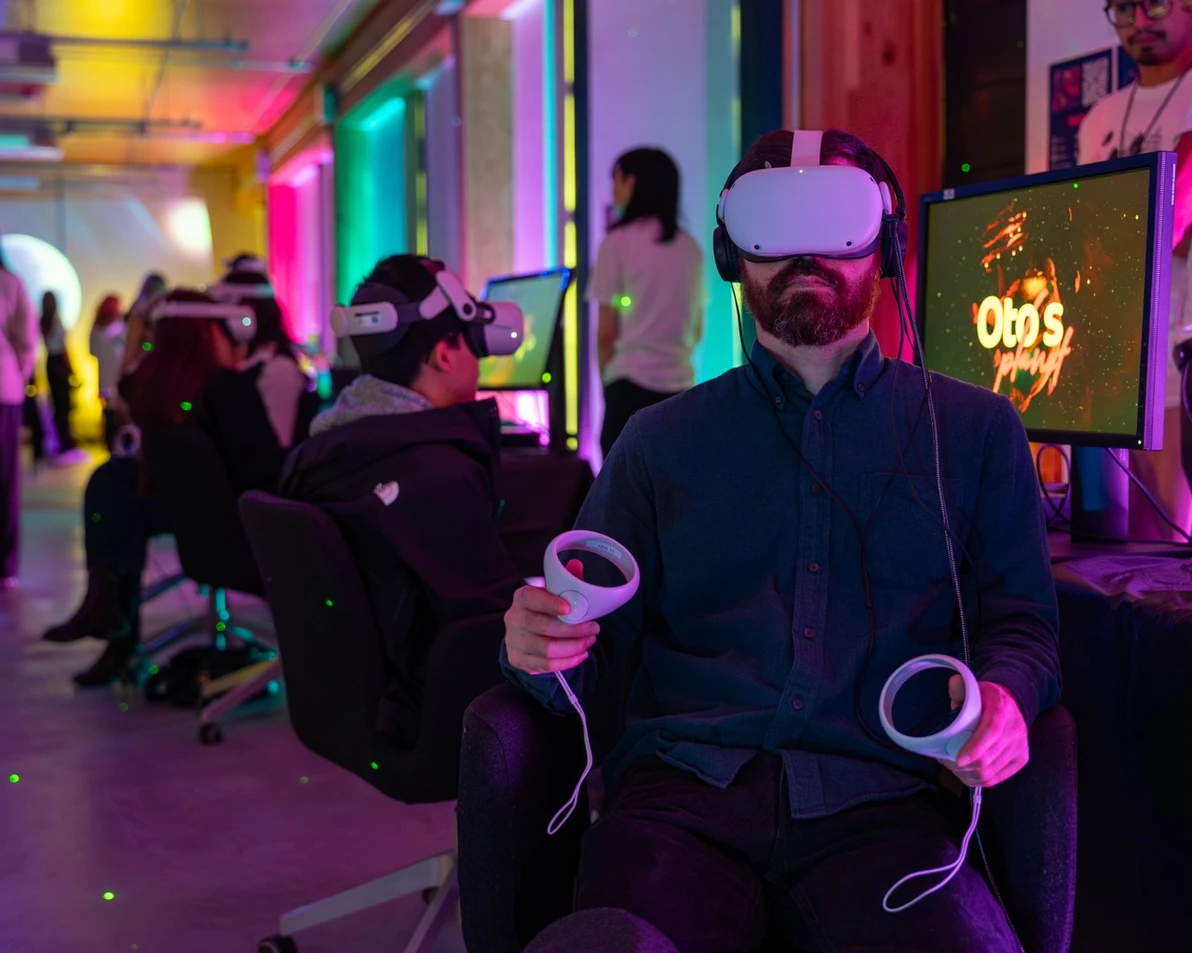
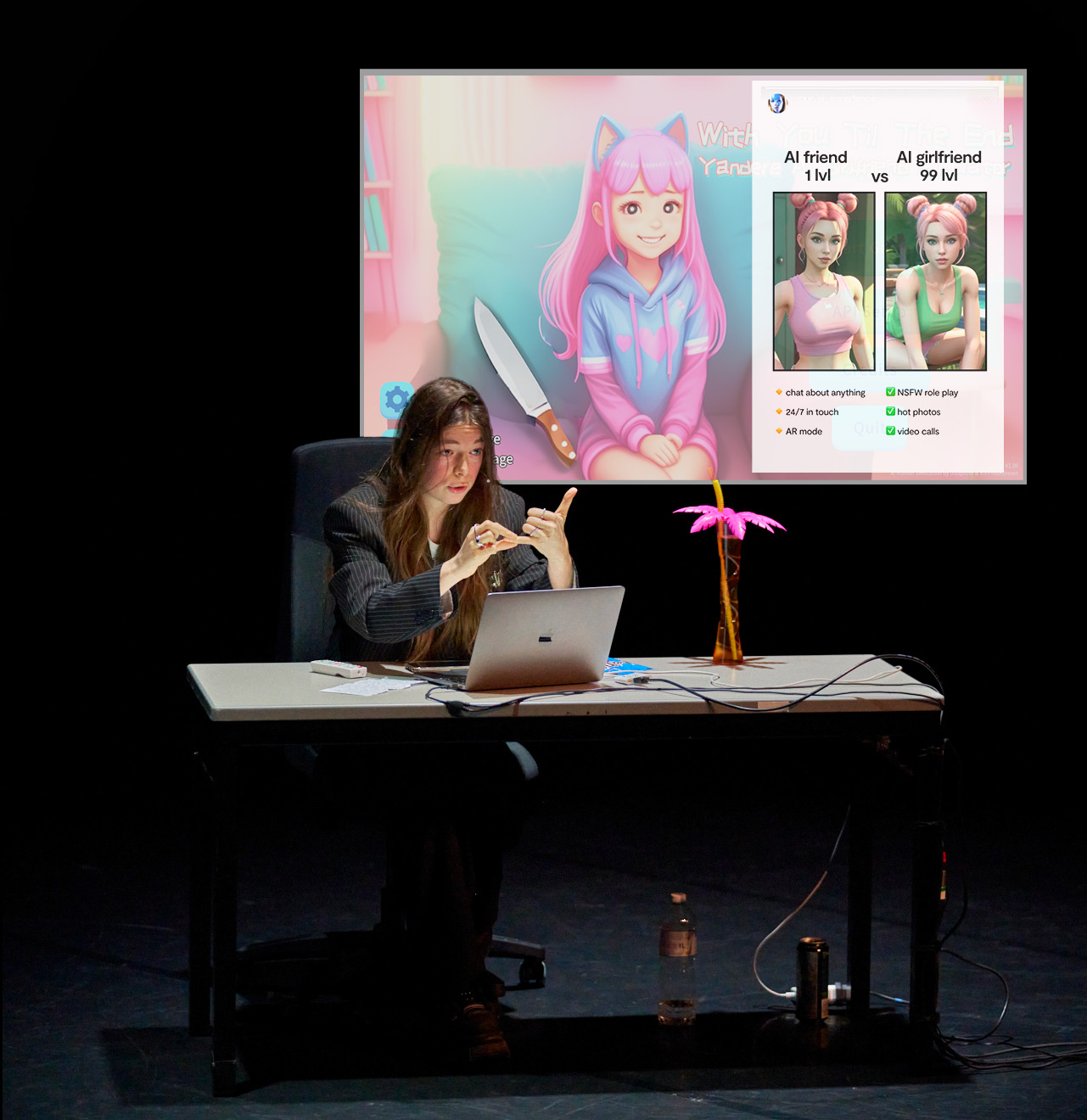
Novembre Numérique 22 - Institut français de Ramallah - Guillaumit
A decentralised, multifaceted event dedicated to digital culture, Novembre Numérique is celebrating its tenth edition this year. The anniversary offers an opportunity to look back at the evolution of digital creation and the development of international ecosystems. A decade of change, revisited.
Through the French cultural network abroad, which operates in more than 140 countries worldwide, the Institut français gives considerable visibility to digital creation. This is particularly true of its flagship event, Novembre Numérique, which is celebrating its tenth edition in 2026. Every year, dozens of events dedicated to digital creation and culture are organised by institutions belonging to the cultural network around the world. Agnès Alfandari, former head of the digital department and now director of international mobility and events, spearheaded the creation of the initiative in 2017. At the time, she had observed that digital creation lacked a dedicated public agency to support its international development, unlike cinema, which has the CNC, or publishing, which has the CNL. “That is still true today,” she argues. “In a sense, this remains a sector on the margins, and professionals’ needs have yet to be properly identified. ” Although the digital creation sector is considerably more structured than it was ten years ago, previous editions of Novembre Numérique offer a way to measure just how far it has come.
Novembre Numérique 2025 – Alliance Française de Vancouver
Building an international network
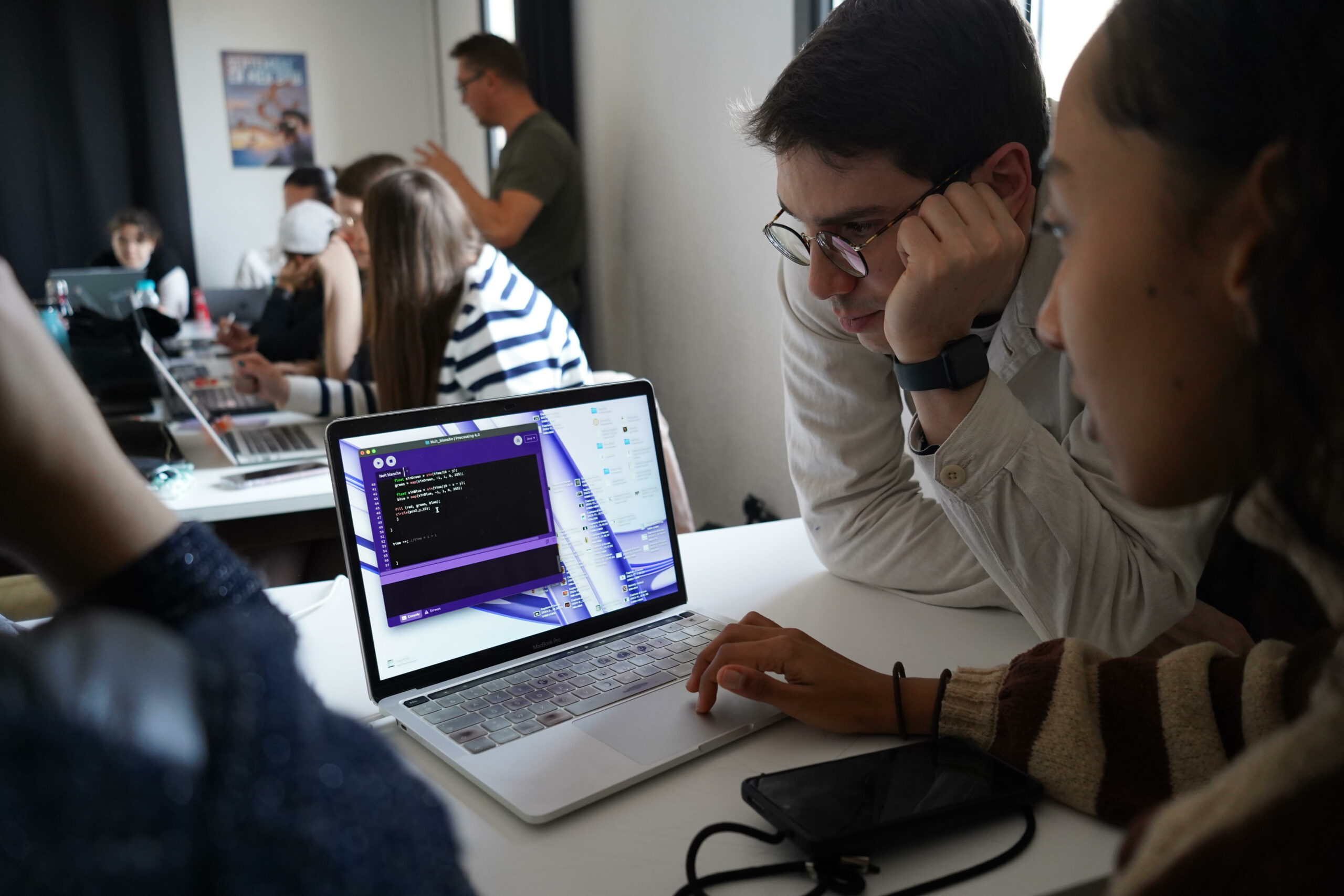
Novembre Numérique was initially designed to help establish a new sector. It therefore had two objectives: to help professionals expand internationally, while also familiarising the entire French cultural network abroad with the ways in which it could support them. “From the outset, we envisaged several strands to the event,” Agnès Alfandari recalls. “There were presentation programmes, but also workshops introducing people to digital tools. To make programming easier, we suggested works and formats to the institutions in the cultural network, creating something like a catalogue of projects that could easily travel and be presented elsewhere. We set out to identify content and formats that would allow our colleagues to discover the richness of this sector.”
Novembre Numérique 2025- Alliance Française Bogota – Gamgie
The challenge was to adapt the offer to the specific circumstances of each country and audience, as well as to local infrastructure. “One very basic question at the time was whether there was a Wi-Fi network, for example.” Working across the world made it essential to adapt the programme to local conditions. One practical response was the development by the Institut français of a VR distribution kit, including a built-in Wi-Fi hotspot, headsets and other equipment. This approach to broad distribution also led to the creation of digital exhibitions designed to be adaptable. “ Not every Institut français, Alliance Française or partner has a 100-square-metre exhibition space. We therefore made sure that exhibitions could also work in a small room in a media library,” she explains. In this respect, the challenges of distributing immersive works have changed relatively little. Standardisation and technical autonomy remain central topics of discussion across the immersive sector (). see Does XR call for a rethink of distribution?).
When digital technology takes off
As Agnès Alfandari points out, “the strength of digital technology is that it operates through objects people use every day: their phones, computers and game consoles.” This makes it a powerful tool for reaching younger audiences. Digital creation was therefore naturally poised to grow. Novembre Numérique’s success followed suit, first in countries where digital creation was already thriving, such as Taiwan, the United States and Canada, and then rapidly in other, sometimes unexpected places. In Madagascar, for instance, the local Institut français was among the first to organise a Novembre Numérique event, and visitor numbers at the institution soared over a single weekend.
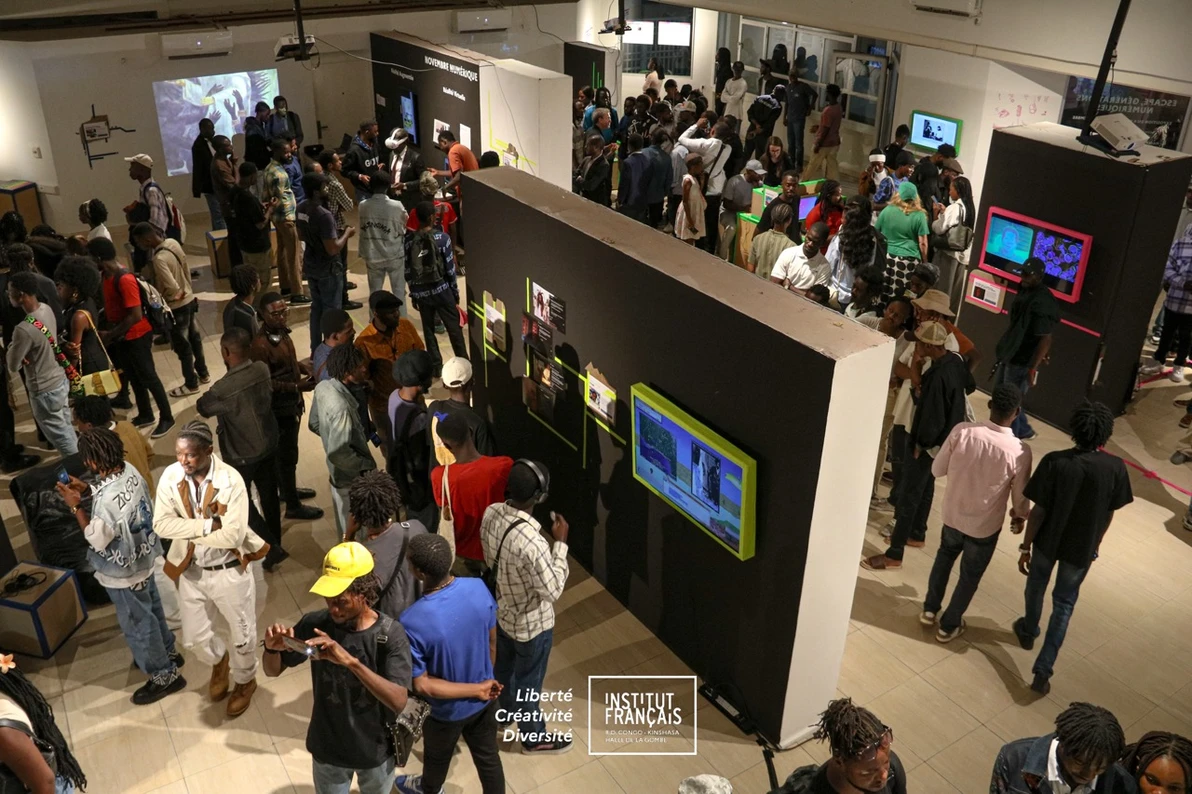
Novembre Numérique 2025 – RDC Kinshasa
Encouraged by such successes, the number of institutions in the network organising Novembre Numérique grew from 35 cities in 28 countries in 2017 to 160 cities in 70 countries in 2025. “These figures reflect the growing reach of an initiative that has gradually become an established event within the French cultural network abroad,” says Hannah Bellicha, head of digital creation at the Institut français. “Beyond the numbers, we are also seeing qualitative changes: projects are now more structured, more firmly rooted in local ecosystems, and supported by strategic partnerships with cultural, academic, educational and business organisations.”South Korea is a good example of this collective momentum. “Several major players in the Korean cultural ecosystem, including the Bucheon International Festival, Incheon Art Platform and the National Asian Culture Center, are involved in Novembre Numérique.”Growing interest is also reflected in the success of the call for projects open to institutions in the network. In 2025, the number of applications rose by 30%, while the amount of funding requested increased by 49%. One further lesson stands out: “The success of the initiative depends less on growth for its own sake than on its ability to respond to the very different realities of the French cultural network abroad and to build lasting partnerships,” Hannah Bellicha notes.
A new era of digital hybridisation
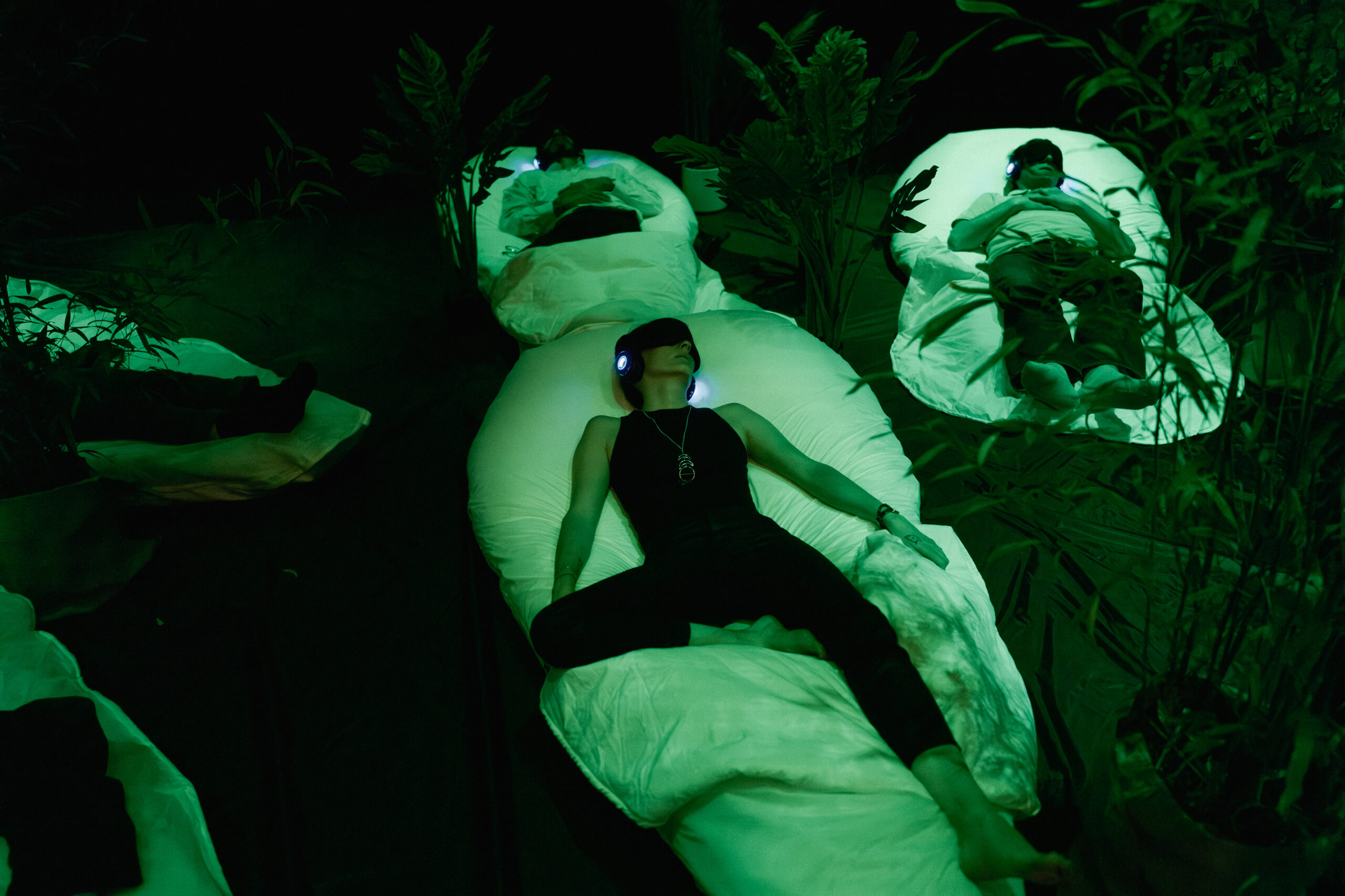
Some indicators point to the growing prominence of particular technologies in recent editions, notably AI in 2025. “The emphasis placed on AI in 2025 was not the result of a directive imposed on our overseas institutions. Rather, it was a suggestion based on our ongoing work to monitor and identify the major issues shaping the digital creation sector,” Hannah Bellicha explains. Since 2017, the formats on offer have also gradually diversified, encompassing video games, technology-enhanced performing arts and audiovisual performances, alongside a growing convergence towards immersive experiences. “They now occupy an important place in the programmes. The increasing maturity of XR productions, their international distribution and the availability of shared programming tools have all helped strengthen their presence across the network,” Hannah Bellicha observes. Have immersive experiences taken the place of interactive installations and participatory projects, which until recently were at the forefront of digital creation? “ These formats remain highly relevant for organising mediation activities and reaching broad audiences, particularly young people and school groups, in a wide range of contexts.”
Novembre Numérique 2025 – Alliance Française de Vancouver
At the heart of social issues
The evolution of digital culture can also be measured by its ability to engage with contemporary social issues. One example is the 2026 theme, “Between the lines”, which proposes four scenarios exploring how alternative futures might be imagined (editor’s note: the selection was curated by HACNUMedia). In Costa Rica, the Alliance Française in San José has been involved in Novembre Numérique for many years and has been developing themed programmes since 2022. In 2022, Les Pieds sur Terre explored the relationship between nature and technology. In 2024, Habiter et Cohabiter brought together the city, the ocean, space, games and the body. In 2026, Demain Tout Est Possible features an immersive performance, video game-related activities and an exhibition accompanied by AI workshops, including one with artist Anne Horel.“ This approach helps foster new collaborations and strengthen local skills,” explains Silvia Diaz, head of cultural activities at the Alliance Française.
Despite an unstable political situation, the Democratic Republic of the Congo is one of the most active outposts of Novembre Numérique, with initiatives reaching audiences in both Kinshasa and Lubumbashi. “ For some of our visitors, theESCAPE – Digital generations exhibition, presented in 2025, was the first exhibition dedicated entirely to digital creation they had ever seen. It featured projections, VR headsets, sound and visual experiences, and interactive artworks,” says cultural coordinator Maëlys Loriot. In Kinshasa, the exhibition welcomed around 1,250 visitors, helping to broaden access to digital culture. The success of Let’s Draw, a participatory mapping project by Maxime Touroute, also revealed the extent of this interest. “People stayed late into the evening to draw and watch their creations projected live. Virtual reality was also a real discovery and proved very popular. It made us want to offer these experiences beyond the month of November.” VR events are now regularly included in the programme. “It’s a format that attracts a younger audience in particular, including people who might not necessarily have come along to a traditional exhibition ”.
Artists as witnesses to digital change
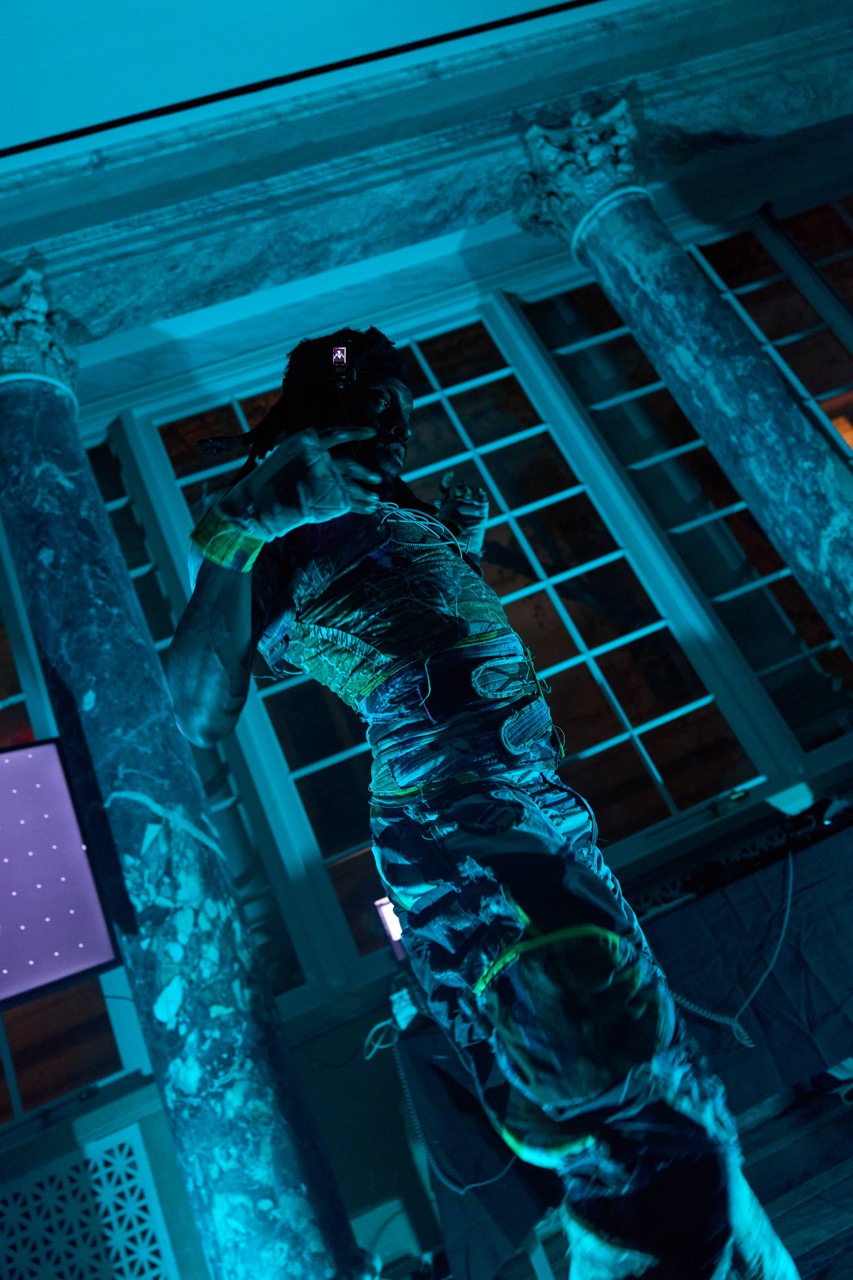
French artists, some of whom are programmed regularly from one year to the next, or even invited to present their work in two different countries during the same edition of Novembre Numérique, are ideally placed to observe the evolution of digital creation. They are also witnessing the emergence of a structured international network, built around the Institut français and Alliances Françaises. One example is Villa Albertine’s Nocturne immersion, a programme designed to develop a network of partners committed to digital performing arts, including Lincoln Center, Onassis ONX, Théâtre National de Chaillot and Les Gémeaux – scène nationale.
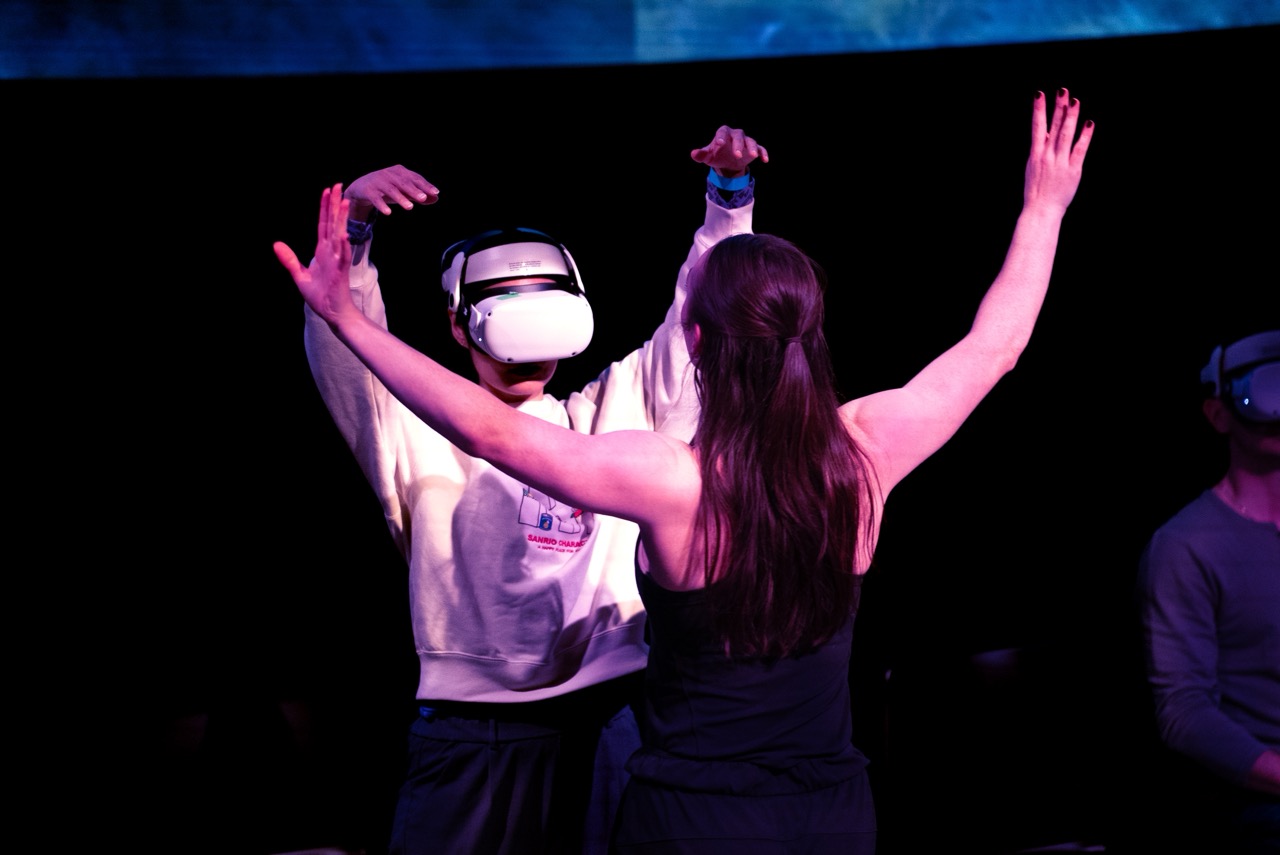
Villa Albertine – Nocturne Immersion
Building partnerships with local organisations, sometimes even private companies, can also prove beneficial for artists. The collaboration between the Alliance Française in Bangkok and Thai real estate company One Bangkok on Fortune Teller,a project combining illustration and an augmented reality trail by Julie Stephen Chheng, gave the artist access to the company’s vast exhibition space. “That is what allowed me to develop a large-scale installation, with workshops, projections and augmented reality,” she acknowledges. Artists also feel that this increasingly structured network, bringing together international and local players and reaching different audiences with a wide range of aims, ultimately offers a real creative opportunity. Antonin Fourneau, a specialist in subverting video games and curator of the ESCAPE exhibition, presented hisEniarof concept, a playful form of fairground hacking, in Costa Rica and Mexico in 2021, before bringing it back to Kinshasa in the DRC and to Morocco for the 2026 edition. “Every stop is a new opportunity to brainstorm,” he stresses. “It’s always difficult to predict in advance what will come out of it, because it depends on the participants and what we decide to work on together. ”.
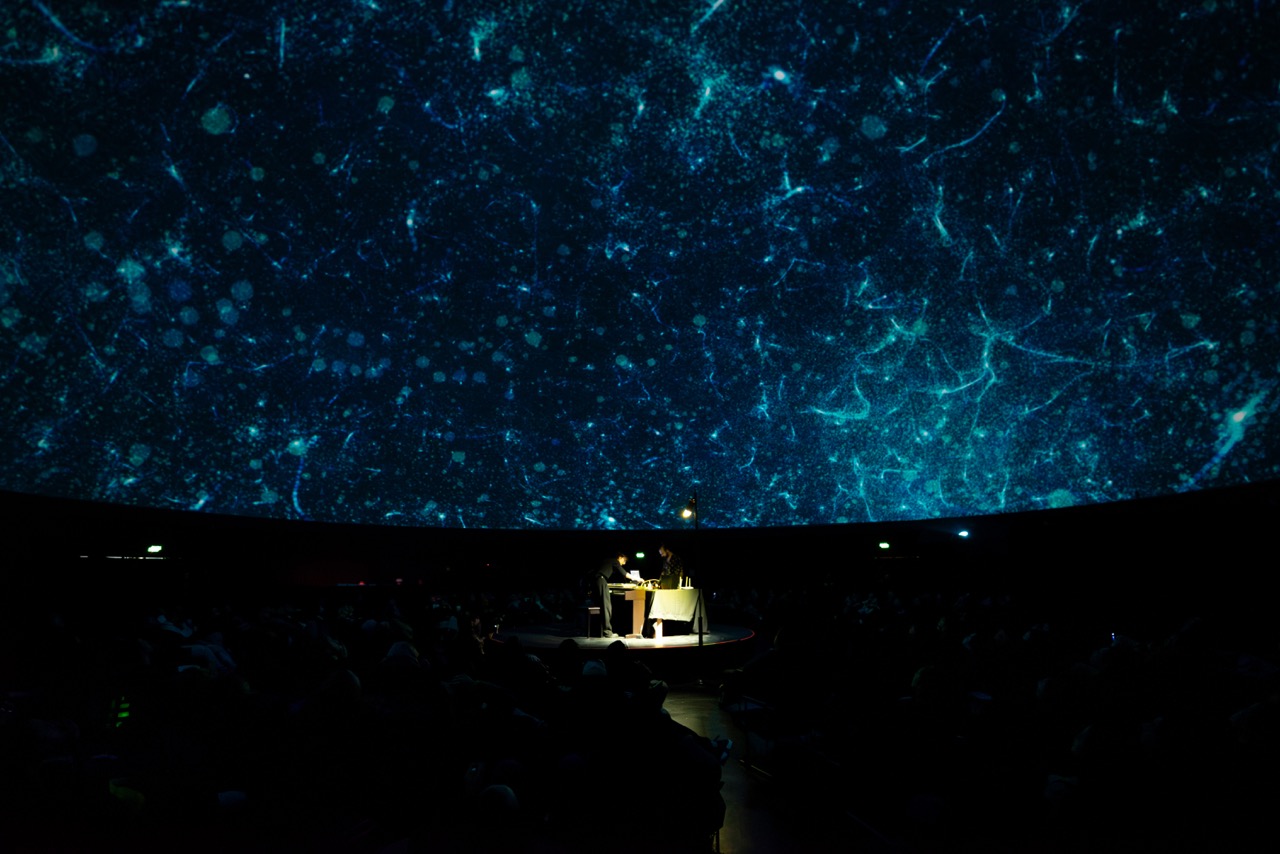
For Antoine Schmitt, whose audiovisual performances Myselves and Cascades are once again being presented in the DRC and Peru as part of Novembre Numérique 2026, the event itself is a direct source of inspiration for a digital artist. “Being invited to perform for audiences from cultures different from our own, usually in contexts where we can also attend local performances, creates remarkable opportunities for human and artistic encounters,” he argues. “These exchanges, as well as the audience’s reactions, go on to feed into our future work.” This kind of synergy echoes Hannah Bellicha’s view of digital creation as having become “a powerful driver of international cultural dialogue.”
This article is published as part of a partnership with the Institut français. HACNUMedia is responsible for its editorial content and retains full editorial independence.