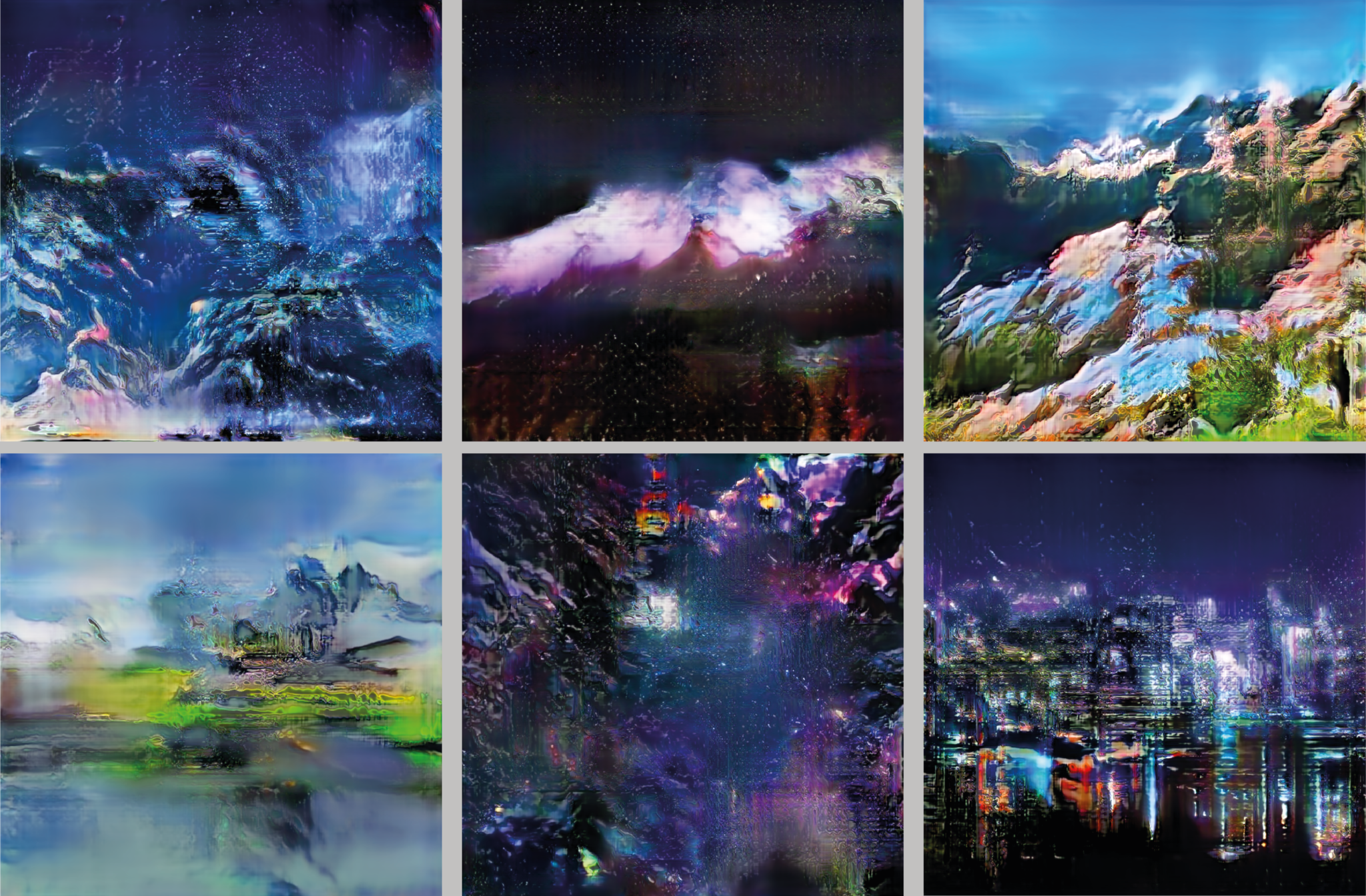
Raphaëlle Von Knebel - Offshore Signals, Feeding the Sun
To support artistic creation beyond France’s borders, the Institut français draws on an extensive residency program deployed through its diplomatic network and partner organizations. What makes these residencies distinctive? What place do they give to digital creation? HACNUMedia takes a closer look with Hannah Loué, head of the Institut français’ Residency Department.
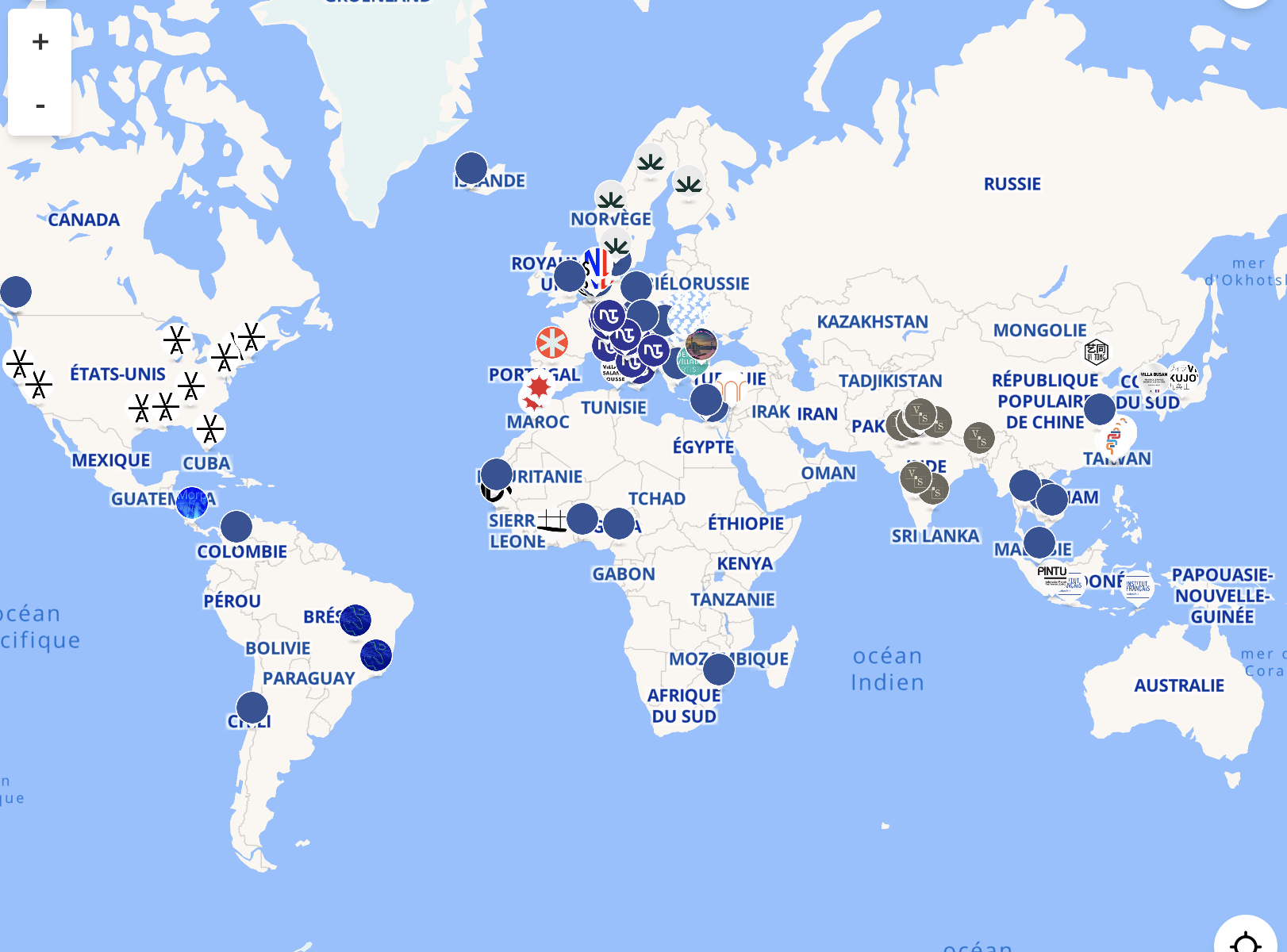
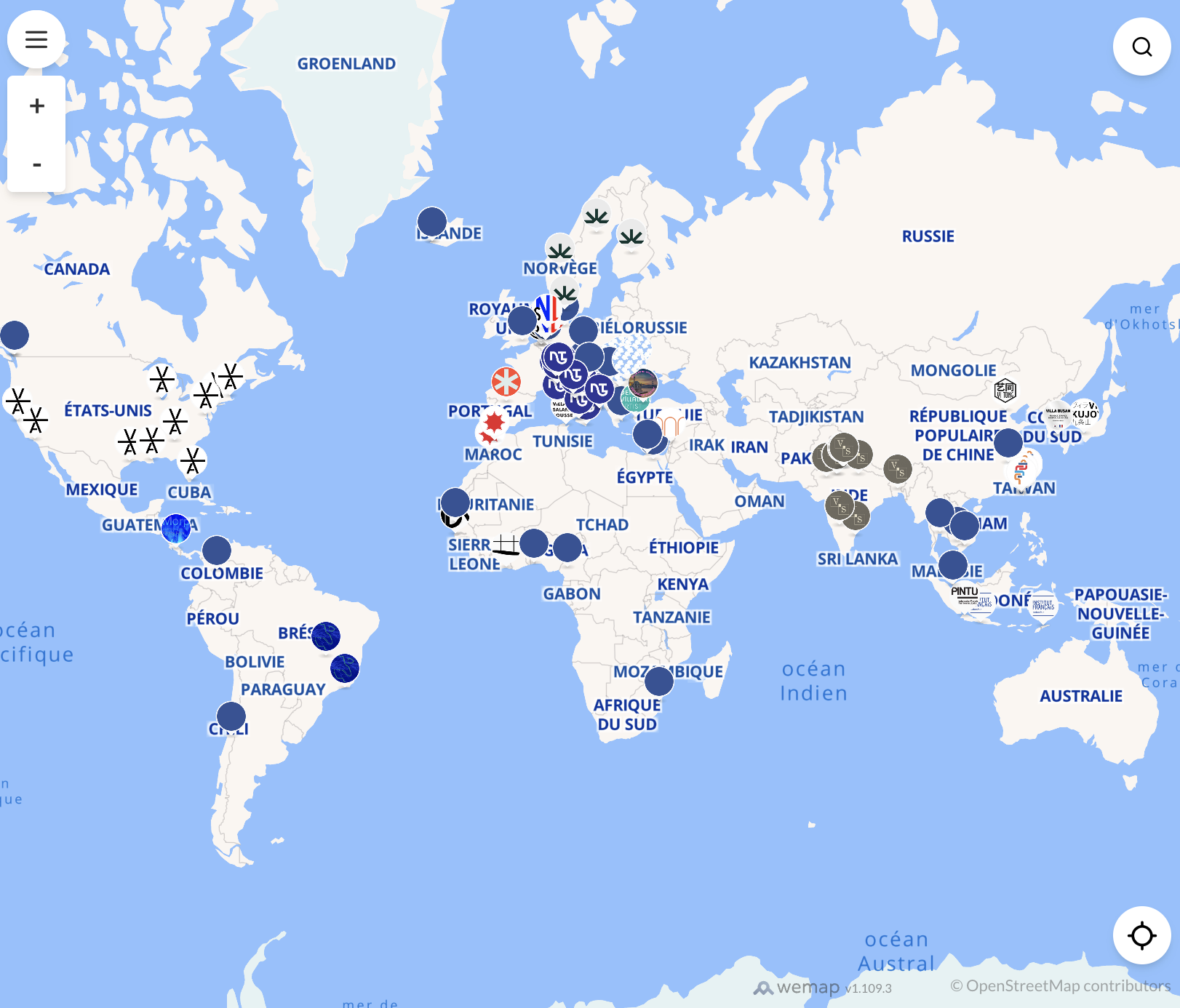
The Institut français – overseen by the French Ministry for Europe and Foreign Affairs and the Ministry of Culture – has access to an exceptional diplomatic network : 98 French institutes, more than 200 branches, nearly 900 French Alliances, as well as the cultural services of French embassies. This network makes it possible to develop residency programs with highly varied formats and ambitions. “In 2024, we established a residency charter based on the guidelines of the Ministry of Culture,”explains Hannah Loué. It sets out a number of principles, including artist compensation and expenses, as well as reception and working conditions. That said, not all programs follow a single set of specifications. Quite the opposite. The Institut français currently lists nearly 70 residency programs around the world. An online map provides an overview of their characteristics, terms and application calls. This diversity also reflects a strategy aligned with the Ministry’s performance and objectives agreements, with particular attention paid to local contexts. “Each residency has its own specificities depending on the artistic, cultural and industrial issues at stake,” explains Hannah Loué.
Overall, the Institut français’ residency programs can be divided into two categories. So-called “outgoing” residencies allow French artists to develop a project abroad. “Incoming” residencies, by contrast, welcome international artists to France for periods of research or creation. In both cases, the residency is part of the same broader strategy of exchange and artist mobility. “We work to promote French values; it’s a tool of cultural diplomacy,” Hannah Loué summarizes.
What place for digital creation?
Among these “outgoing” residencies, some are prestigious programs that are already well known, such as the Albertine Villas (United States), Kujoyama (Japan) and Swagatam (India). But there are many other residencies elsewhere around the world. “Our challenge is to make these residencies better known so we can offer the right support to the right artist at the right time,” says Hannah Loué. Despite this diverse landscape, digital practices are playing an increasingly important role. It remains difficult, however, to measure their exact share. Some residencies are explicitly dedicated to digital arts (Micromégas) or to intersections between art, science and technology; others are multidisciplinary and welcome projects that use digital technologies without making them their primary focus (Magnetic).
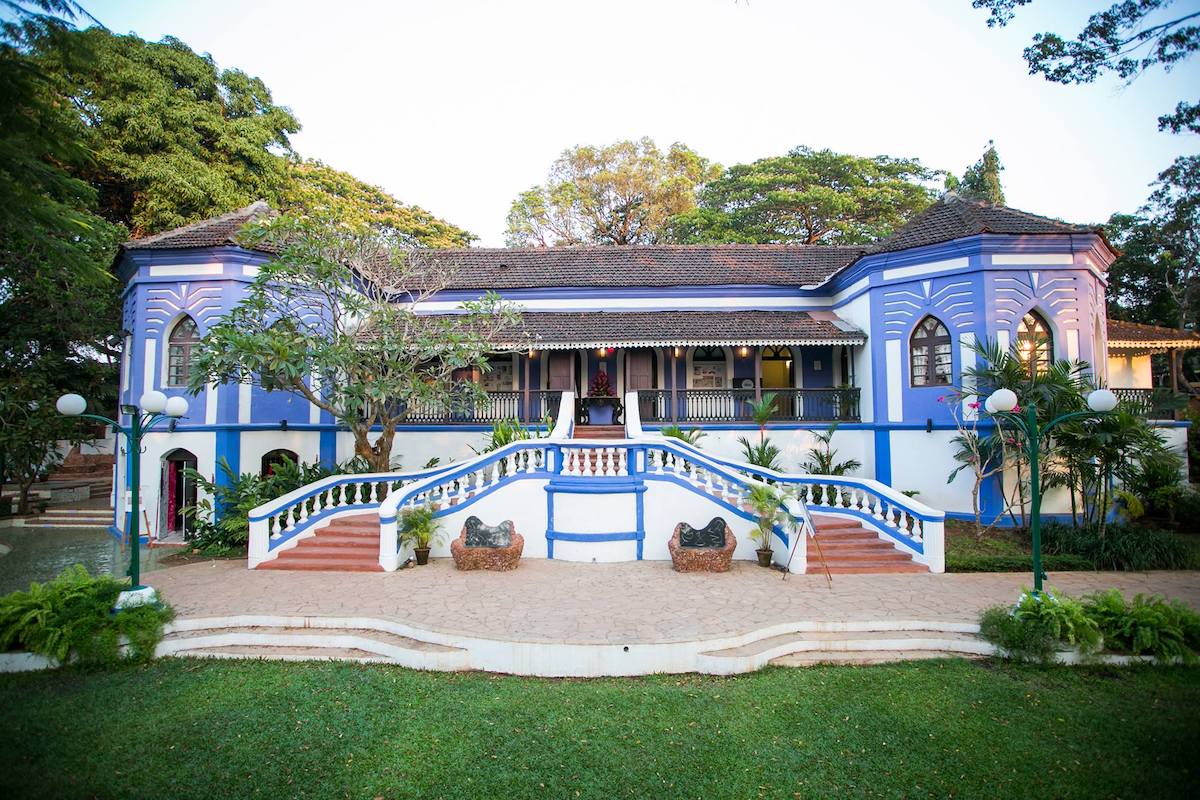
Villa Swagatam
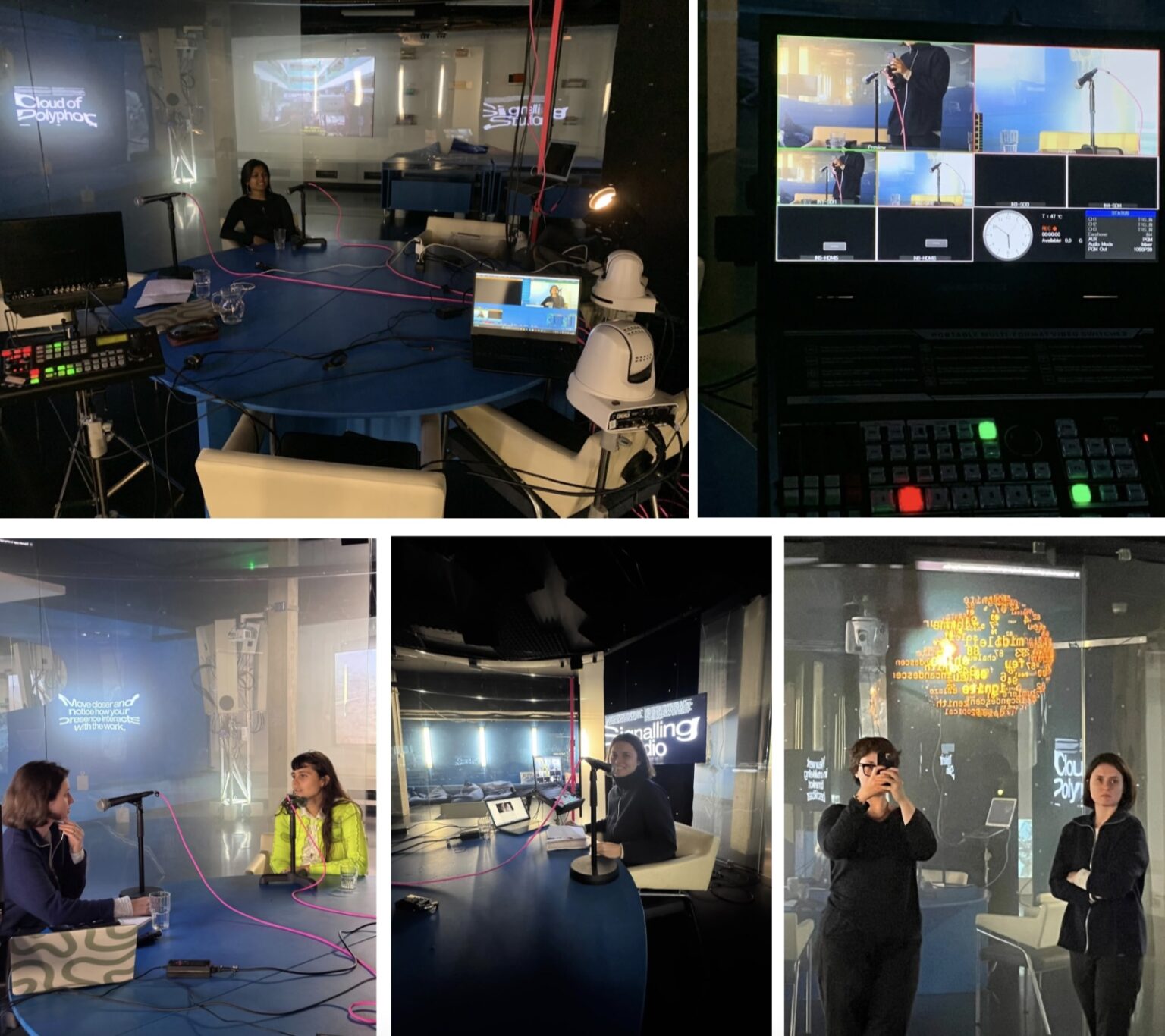
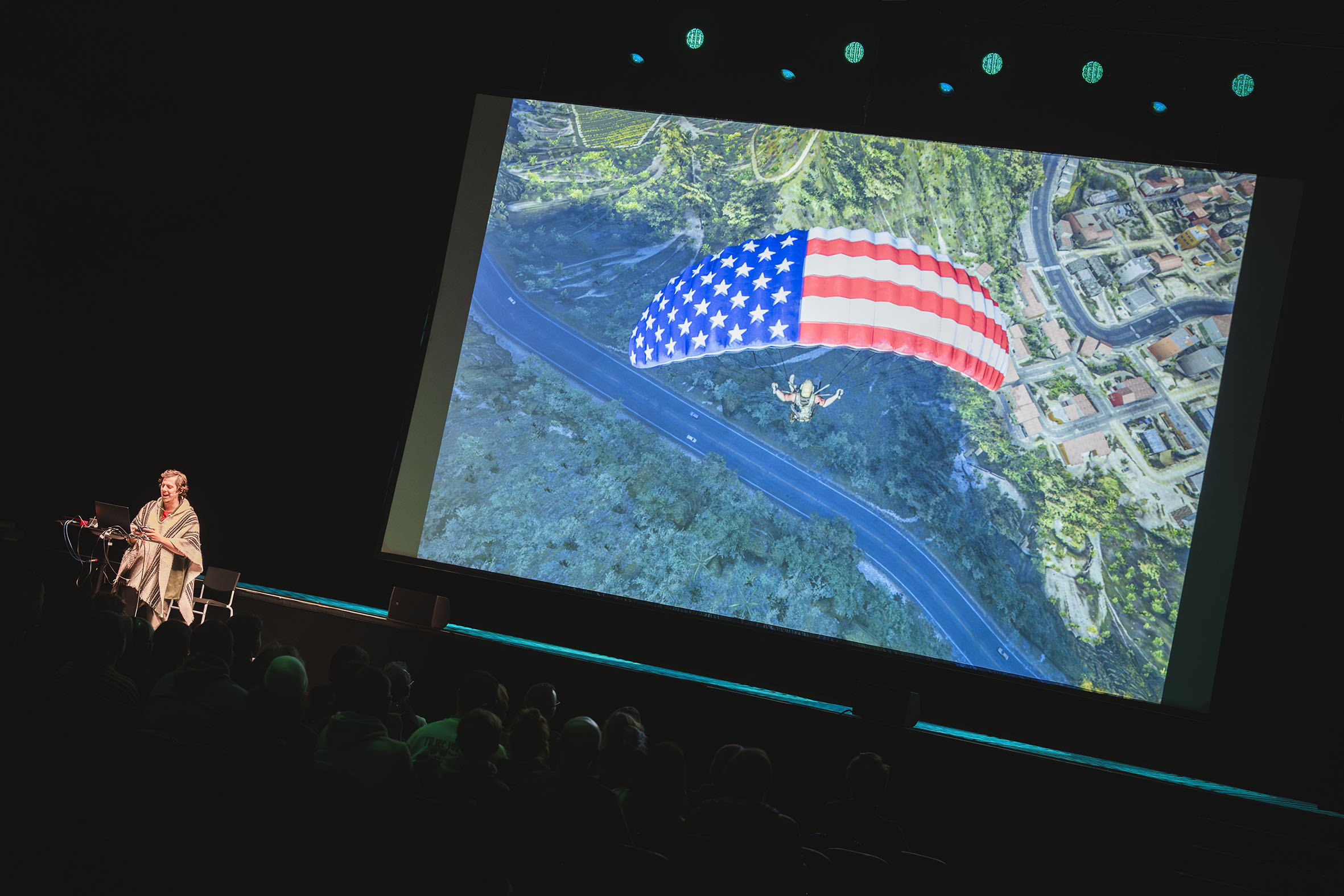
Villa Albertine in the United States, Nouveau Grand Tour in the Netherlands and Yi Tong in China, for example, incorporate digital practices into their calls. They offer artists the opportunity to explore the creative potential of technologies without any specific expectations, as in the case of Raphaëlle Von Knebel , who is developing Offshore Signals, Feeding the Sun in 2026,an installation connecting Rotterdam with her home island through a poetic and Creole reading of atmospheric phenomena. These artists are connected with local organizations and experts, as are artists Olivain Porry and Lou Fauroux, who are residents in 2026 and have been connected with Fidji Simo, CEO, Applications at OpenAI. Villa Formose in Taiwan and Farnese x Villa Médicis in Italy, meanwhile, welcome artists working in immersive creation, such as Gohar Martirosyan, who created a dome-based work exploring the buried memories of the Araxes River. In New Zealand, Villa Antipode focuses more specifically on the intersections between art and science. Some programs, such as Ouest-Ouest in Vancouver, stand out for their niche areas of expertise – such as AI and music – benefiting Arthur Kuhn in 2025 and Carl Faia in 2026..
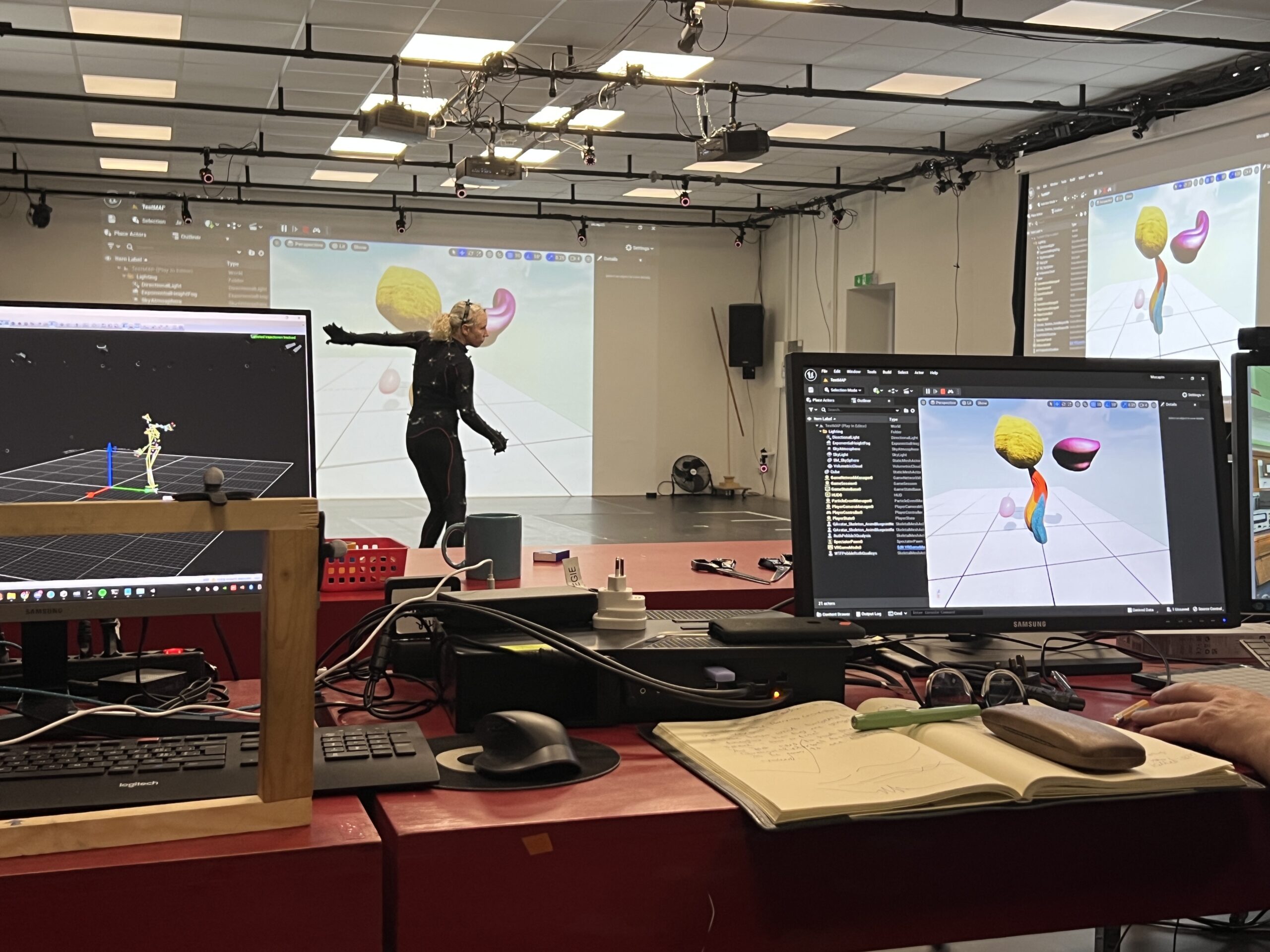
The Institut français does not, however, issue specific directives to its network to promote particular technologies such as AI. The growing number of calls focused on these practices is instead a natural reflection of changing artistic concerns. And while digital and hybrid projects may require specific equipment, workspaces and technical expertise, they also call for a rethink of the residency framework. “The material and logistical needs of digital creation are quite specific. They require a real investment and the development of a network of specialized partners.” This is the case, for example, with the EXTRA residencies in Belgium, which specialize in experimental video games in partnership with organizations such as Octobre Numérique.
Welcoming international artists to France
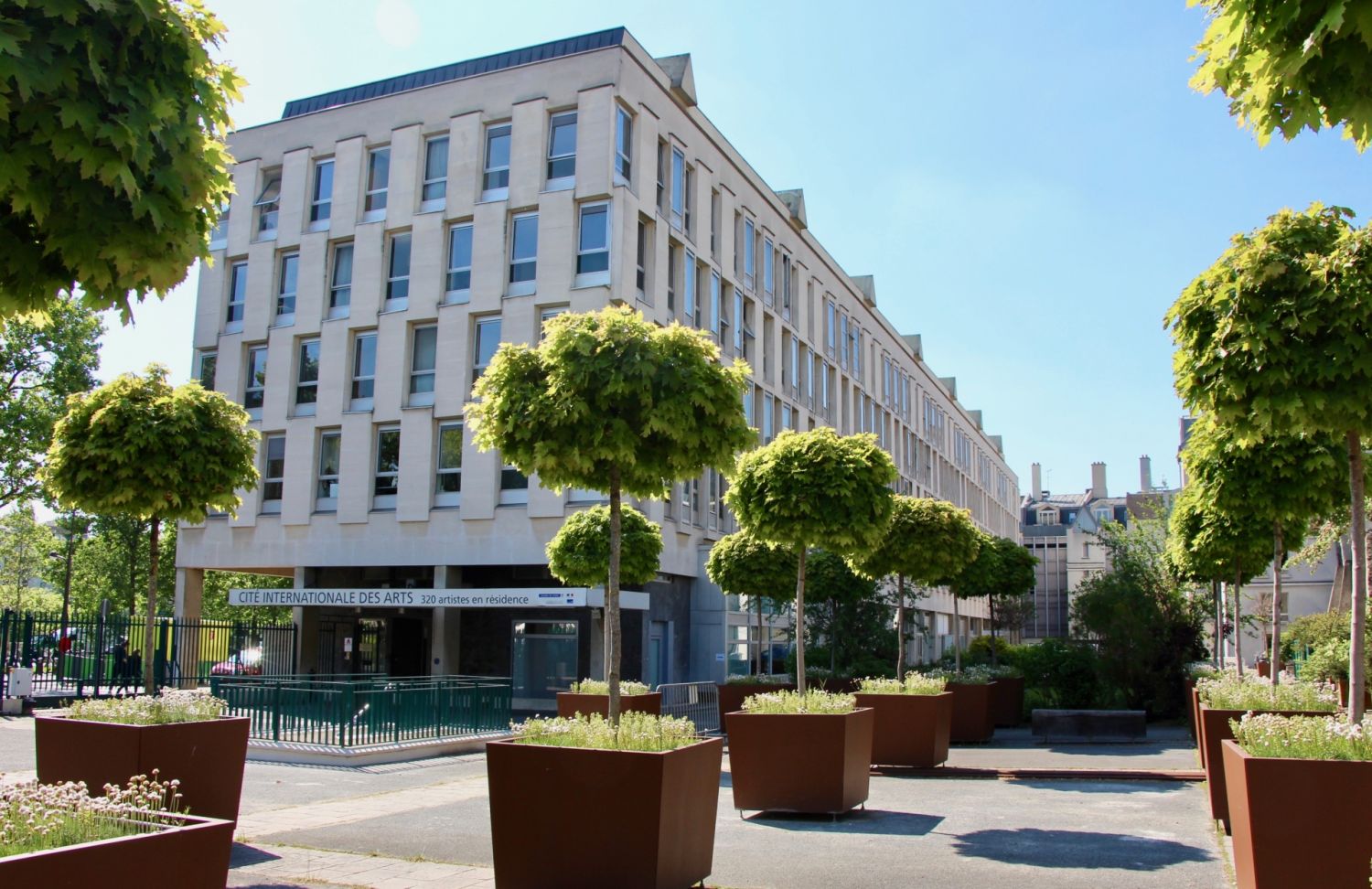
The Institut français’ work isn’t limited to supporting French artists in their international careers. Another part of its activity involves encouraging foreign artists to come to France. Two schemes in particular structure this policy. The first is based on a partnership with the Cité internationale des arts in Paris, one of the world’s leading artistic residencies. “It’s our flagship program, with nearly 70 artists every year.” Within this framework, the Institut français manages 22 studios funded by the Ministries of Europe and Foreign Affairs and of Culture. “We select artists through an annual commission, across all artistic disciplines, whether emerging or established.” Artists such as Relja Cupic, Sofie Dieu-Grosjean, or Larisa Crunteanu are hosted for periods of three, six, or nine months.
Photo Cité Internationale des Arts
The second program is the International Artists in Residence Program (PAIR). Here, the Institut français directly supports organizations based in mainland France and France’s overseas territories that wish to host an international artist they have already identified. The goal is twofold: to enable French organizations to internationalize their residency programs and to facilitate connections between the artists they host and professional networks in France. The program also contributes to a broader effort to rebalance opportunities across the country. “We want to build a network across the French territory.” Recently relaunched, the program supports around 25 organizations across all creative sectors, including the Rencontres Audiovisuelles in Lille, which was selected in 2024. Particular attention is paid to organizations with more limited resources, through a residency grant.
Residency as a step in an international career
For the Institut français, the challenge is also to avoid treating a residency as an isolated interlude in an artist’s career.“We keep track of the artists who have received this support. We want to avoid the one-shot approach: hosting an artist in residence without providing any support afterward.” Some Institut français programs therefore seek to connect residency, presentation and professional support. The residency becomes one step in a longer trajectory, potentially leading to new collaborations or opportunities to present the work. This timeline is particularly important for research and technology-driven creative projects, whose development can span several years. Several stages may separate an initial research residency from the presentation of a completed work. The Institut français also runs the PIDA,which contributes to this broader approach to supporting artists. The challenge is therefore to think of these mechanisms – residencies and presentation opportunities – not as separate entities, but as different components of an international artistic career. France’s cultural influence is also shaped by these conditions, however practical, in which artists are supported.
Rédaction Adrien Cornelissen
This article was published as part of a partnership with the Institut français. HACNUMedia is solely responsible for its editorial content and operates independently.
For the past decade, Adrien Cornelissen has explored the frictions between technology, contemporary creation, and the cultural and creative industries. A journalist and ideas curator, he contributes to publications such as Fisheye Immersive, XRMust, Nectart, and the Revue AS. He also leads the development and editorial coordination of HACNUMedia, a media platform focused on technological shifts in the arts and culture sector. As a speaker at festivals and higher education institutions, he also advises cultural organizations and artists through his agency Bas·alt.