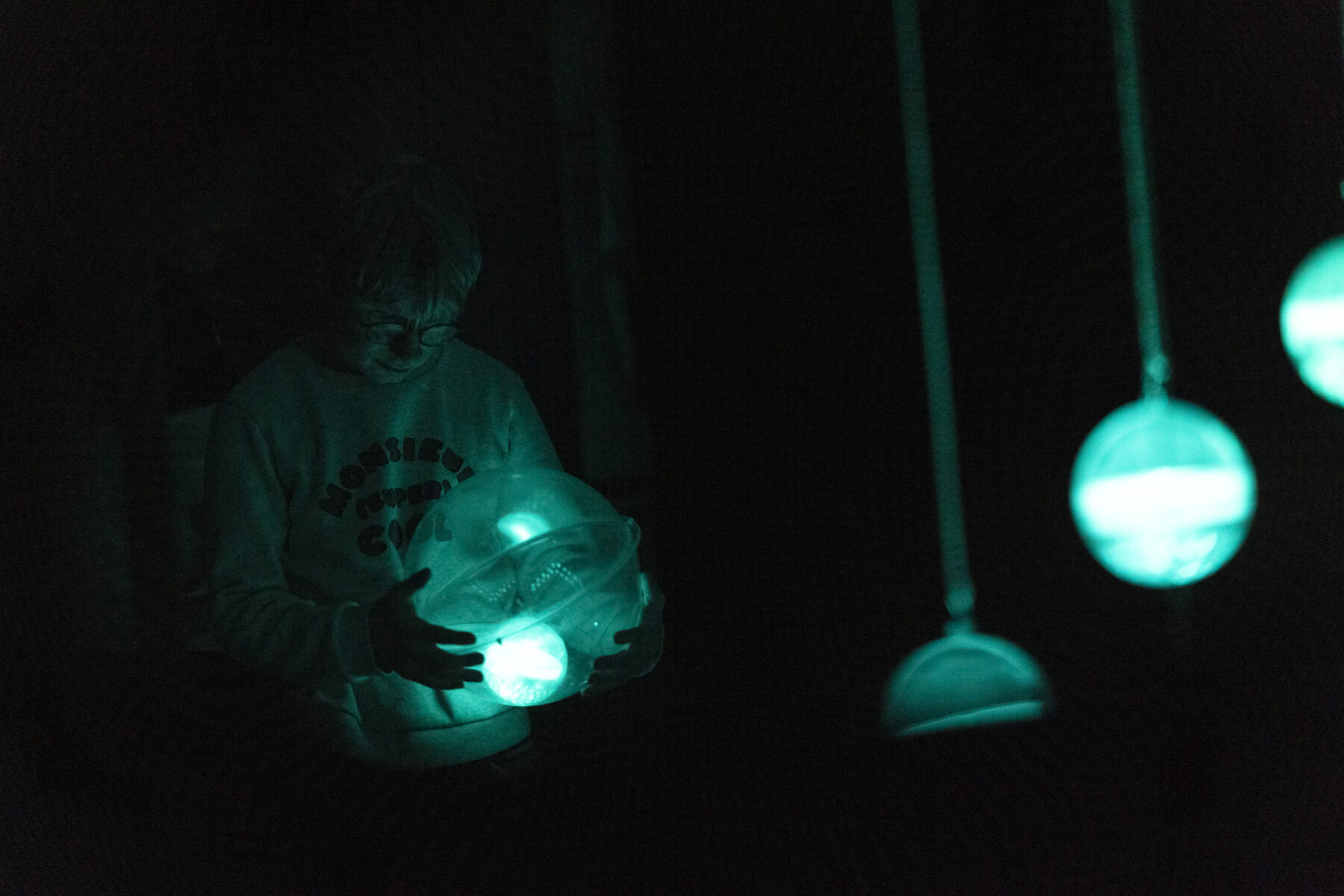
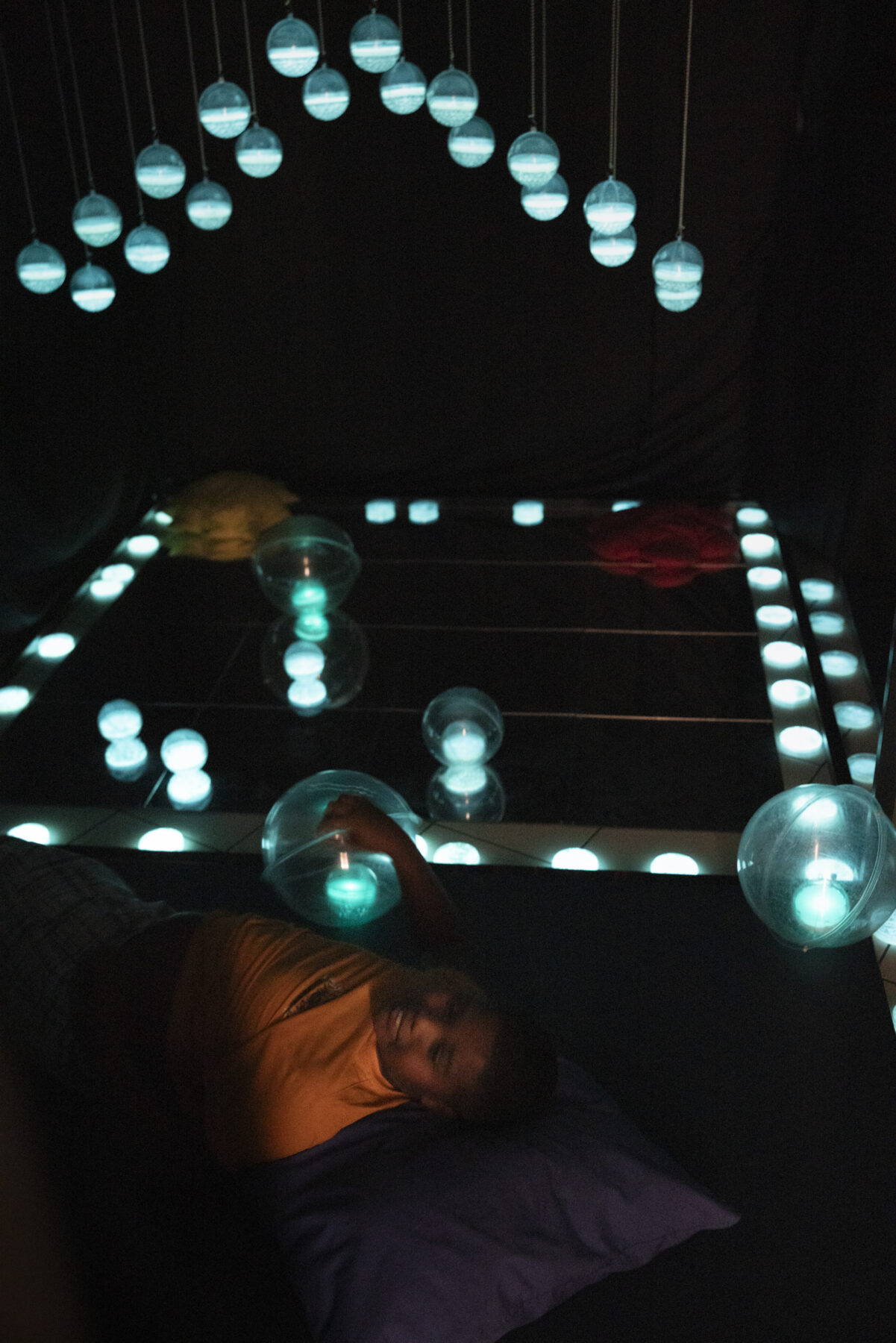
LUXAUT - Capsule d'art - avec les résident de l'IME la frégate à Toulon - Photo Vincent Beaume
Practice-based research in healthcare demonstrates how collaborations between artists, researchers, and care professionals can contribute to individual well-being and support therapeutic journeys. From bioluminescence and virtual reality to immersive sound experiences, a growing number of projects are exploring new ways of caring through artistic experimentation.
While healthcare has long embraced technology as a driver of medical progress, digital tools are also known to have detrimental effects on psychological health and social relationships. Yet, in certain contexts, they can foster renewed attention, shared listening, and even processes of restoration. This is where artists are increasingly partnering with laboratories, physicians, and scholars in the humanities. Together, they examine technological practices and the forms of care they might enable. Under what conditions can practice-based research contribute to healthcare? And how can artistic experiences support individuals along their care pathways?
Transvision – Gaetan Parseihian & Lucien Gaudon
At the intersection of digital arts and medical research, research-creation has emerged as a practice that remains sometimes poorly understood and relatively underdeveloped within the field of healthcare. As a starting point, it is important to clarify that while the benefits of artistic creation have long been explored through art therapy, the nature of research-creation is fundamentally different. “Art therapy involves co-creation, and the objects produced are residual outcomes of a protocol or process aimed at care. Research-creation generates knowledge in various forms, including artworks intended to circulate within the relevant professional contexts,” explains Lila Neutre, artist, PhD in research-creation, and facilitator of the ICCARE-LAB acceleration day Taking Care, Thinking, Imagining and Creating Care Experiences, organized in October 2025 by CIREC in Marseille. Journalist and political scientist Joelle Palmieri, who took part in this event, immediately highlights the key issues: “Improving the visual quality of a healthcare environment often amounts to instrumentalizing artistic practice. Research-creation should first and foremost be understood through the dismantling of hierarchies between artists, scientists, and audiences.”
Practice-Based Research Applied to Care
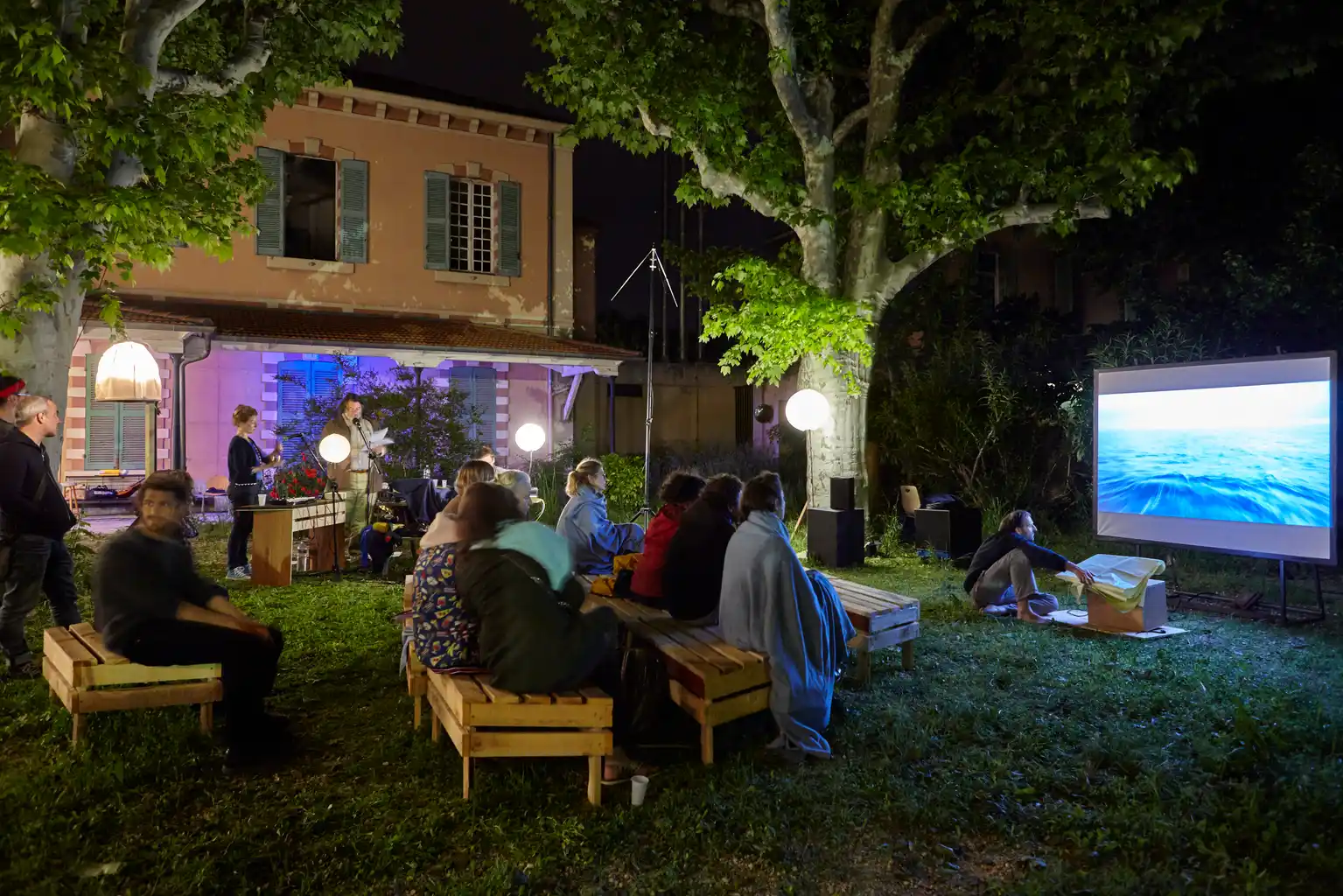
Convinced of the value of this horizontal approach, artist-researcher Nadia Merad Coliac has focused on the effects of bioluminescence on human behavior. Supported by the Capsule d’Art Foundation and PEPR ICCARE, she developed LUXAUT, an immersive light installation combining “design, architecture, and sensitivity.” The work is intended in part for audiences living with autism spectrum disorders, epilepsy, or psychiatric conditions. The installation draws inspiration from the bioluminescence of terrestrial and marine species, “such as moonfish, plankton, and fireflies.” Visitors move through a scenographic environment immersed in complete darkness, illuminated only by glass objects filled with bioluminescent liquids. Sculptures appear suspended within these living sources of light. Two or three people can experience the installation simultaneously. “We always accompany participants into the experience through a preparatory phase. There is a gradual progression,” the artist explains. Once inside, visitors are free to explore at their own pace. “Then comes a moment of release, marked by a profound silence.” Beyond its aesthetic dimension, researchers are investigating the installation’s measurable effects through cortisol levels—an indicator of stress—heart-rate monitoring, and movement analysis.
LUXAUT – Capsule d’art – avec les résident de l’IME la frégate à Toulon – Photo Vincent Beaume
A Win-Win Collaboration
The objective extends beyond artistic production alone. These projects also seek to generate knowledge that can be applied in healthcare settings and even in other sectors such as industry. Experiments at the crossroads of art, research, and care are gradually gaining legitimacy within healthcare institutions. For Patrick Sainton, CNRS research engineer and co-author of LUXAUT, this reflects a shift in how approaches once considered peripheral are perceived. “In hospitals, we don’t believe—we observe,” he says. “Meditation, music, and bioluminescence are now being scientifically evaluated. We are no longer operating in the realm of belief but in that of observation and measurement.” This evolution is helping healthcare institutions become more open to practice-based research initiatives. As Director of the Mediterranean Virtual Reality Center, Sainton notes that these investigations are already yielding practical applications. Several protocols have been developed in partnership with hospitals in Marseille to support treatments for specific conditions and disorders. “We have notably implemented programs to address vertigo, agoraphobia, and aquaphobia,” he explains.
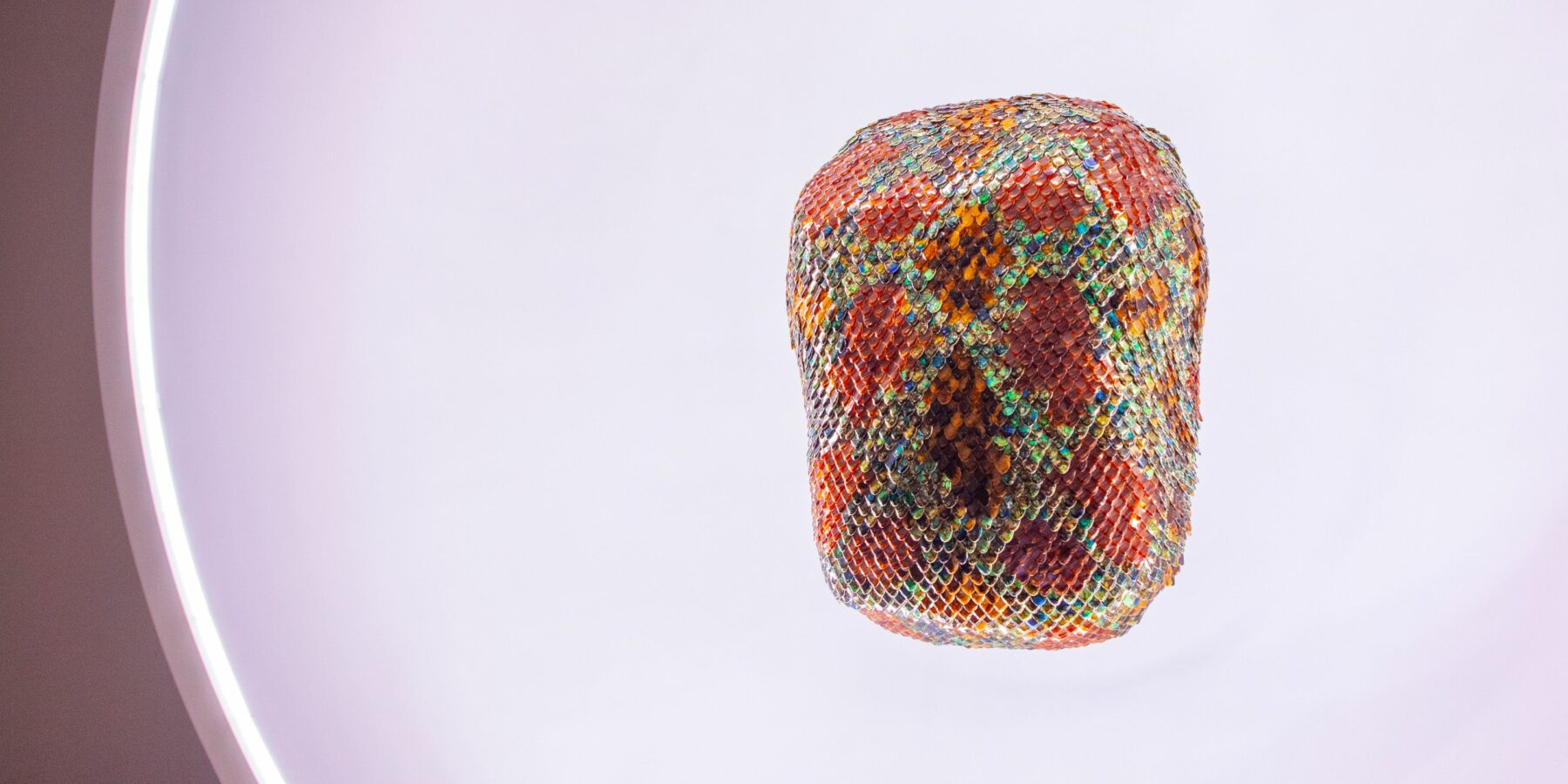
REESPIRATION – Samuel Blanchini
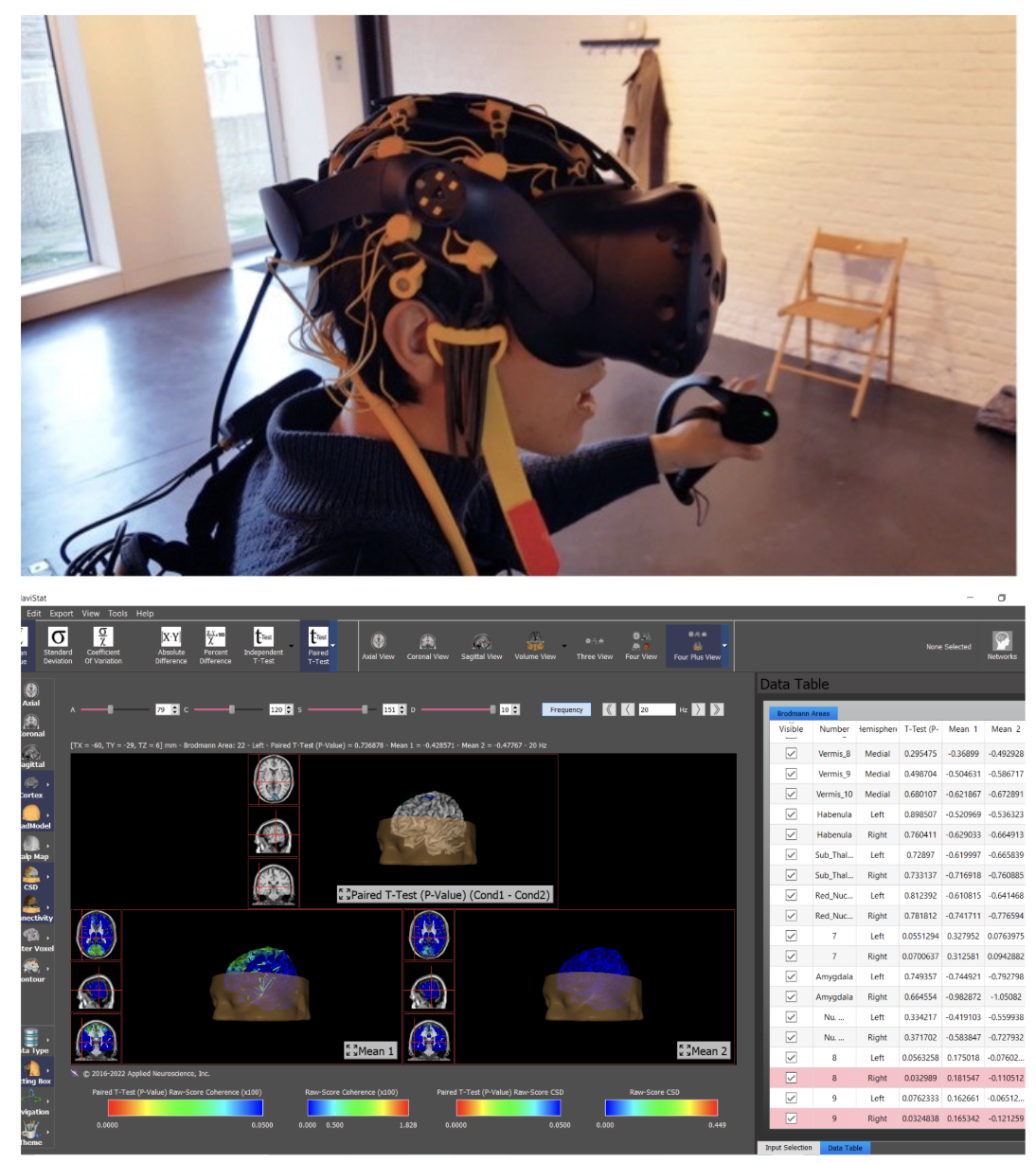
Artistic and immersive experiences are therefore emerging as fertile ground for exploring new forms of therapeutic support. The Belgian collective CREW has been a pioneer in this field. Between 2020 and 2022, the group developed Soulhacker in collaboration with faculty and students from RITCS School of Arts. Together, they designed immersive virtual environments in which neurologists and psychologists accompany patients through therapeutic processes. The project is built around a central principle: placing participants at the center of the experience so they become active agents in their own healing journey. Another notable example is RÉESPIRATION, an installation by artist-researcher Samuel Bianchini, developed with a commissioning group composed of current and former members of the R3S Department (“Respiration, Resuscitation, Respiratory Rehabilitation, and Sleep”) at Pitié-Salpêtrière Hospital. The project brings together a multidisciplinary community of artists, designers, physicians, roboticists, and human-computer interaction specialists. At the center of the installation, an animated object slowly transforms like a living organism, synchronized with the breathing of the person facing it. The work encourages heightened awareness of the breath and its calming effects.
Collectif CREW – Soulhacker
Creating the Conditions for Well-Being
Across all these projects, the goal goes beyond producing an artwork. The ambition is to create conditions capable of influencing well-being, perception, and behavior. This is one of the explicit aims of LUXAUT. “The question is how these environments can contribute to people’s well-being and, ultimately, reduce reliance on certain medications,” says Nadia Merad Coliac.
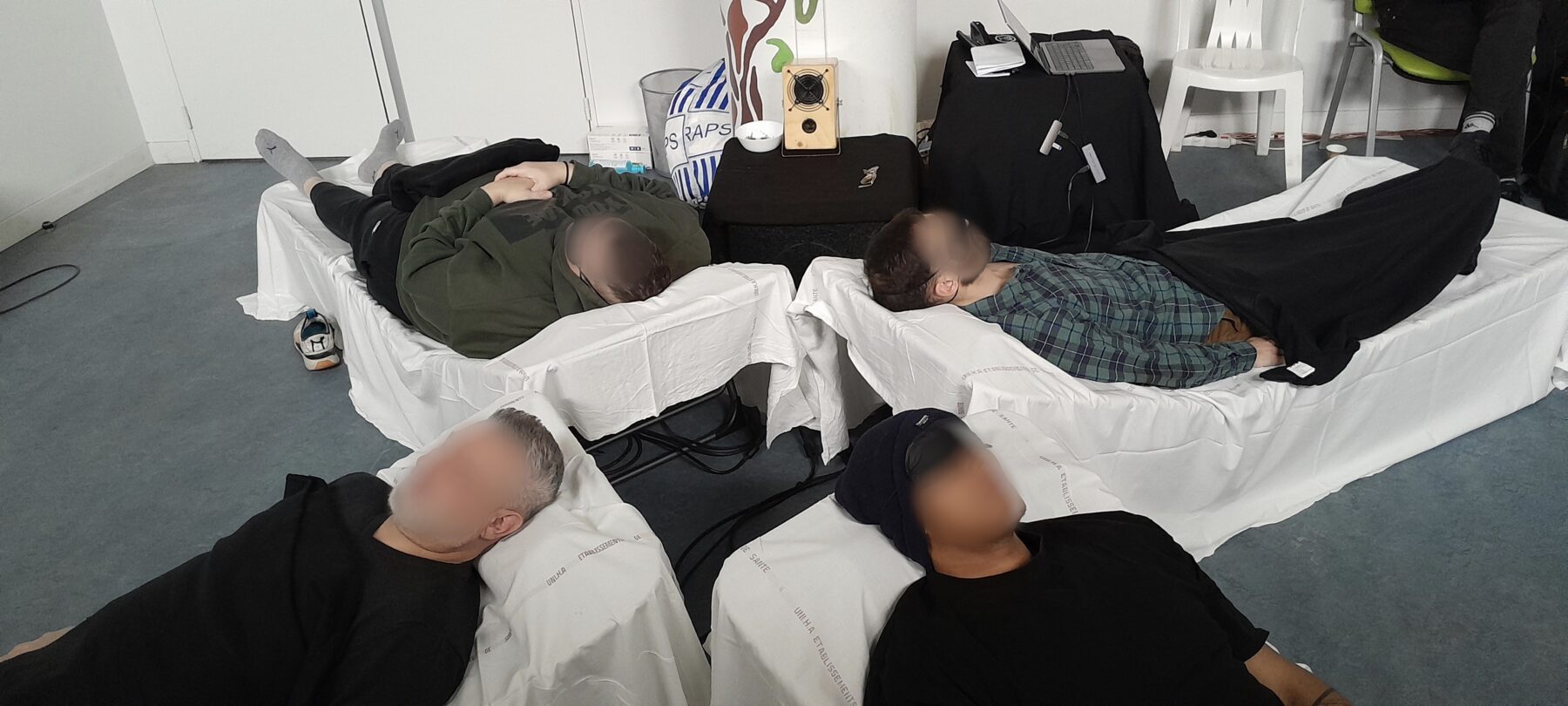
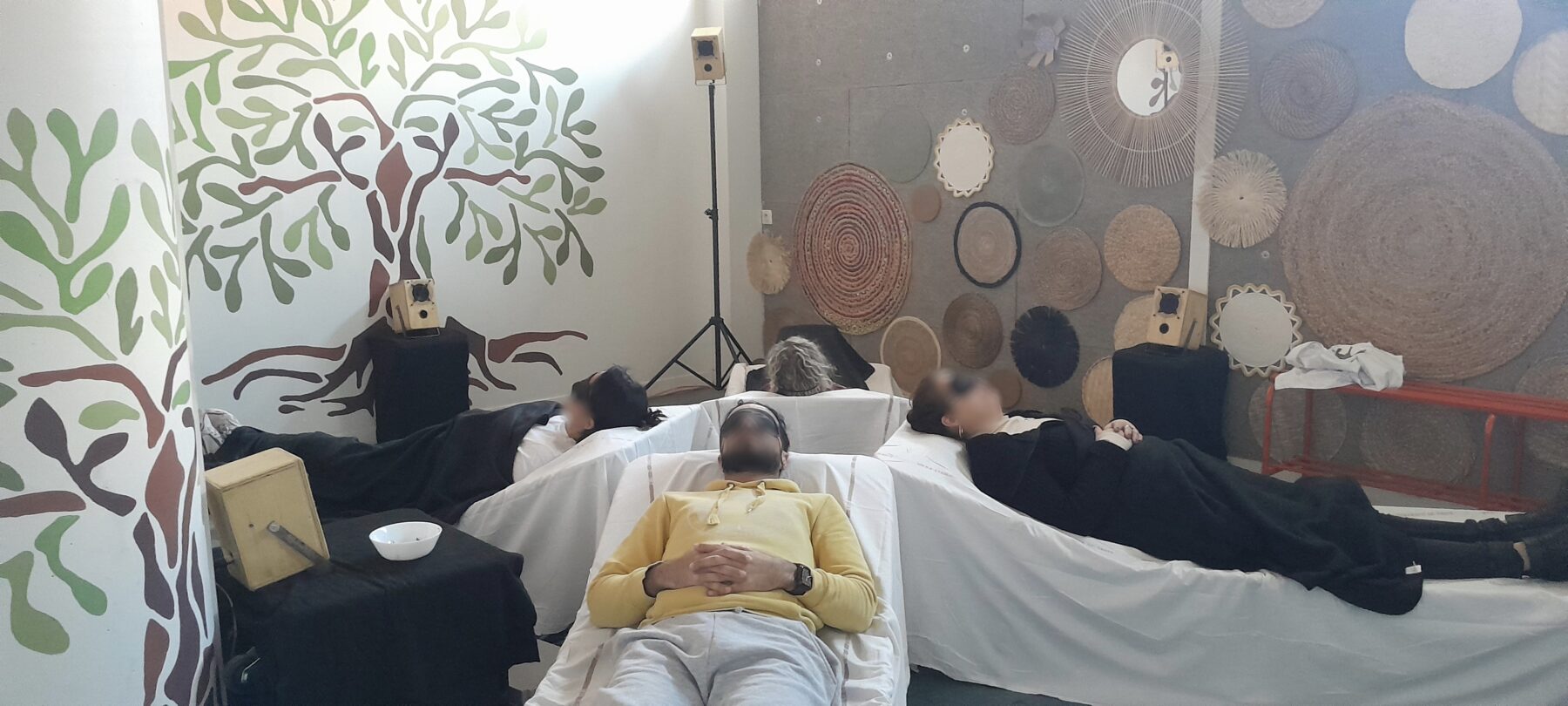
This focus on relational and sensory dimensions also runs through the work of Marseille-based artist Gaëtan Parseihian. For several years, he has developed a practice situated at the intersection of sound art and care. His installations, presented in both urban and natural environments, seek to renew our relationship with living systems through listening. With his Suspended Listening Stations, he invites people with disabilities to experience their senses and surroundings differently through spatialized sound environments and organic soundscapes. His most recent work, Transvision, created with Lucien Gaudion, extends this line of inquiry. The piece takes the form of an immersive experience based on vibration, frequency, and minimal light, without relying on visual imagery. Transvision is currently the subject of a research residency with the Solaris psychiatric unit of AP-HM as part of the Culture and Health program. The aim is to explore how the experience might intersect with therapeutic practices, particularly in relation to relaxation and emotional regulation. “We will study how vibrational and musical experiences can induce states of deep relaxation, sustain continuity of consciousness, and reduce physical or psychological tension among participants. We are creating a space of care and storytelling where artistic language meets clinical listening,” Parseihian explains.
Transvision – Gaëtan Parseihian & Lucien Gaudion
Care as a Societal Issue
It is worth noting that meditation practices and emotional regulation techniques—often grouped under the broader notion of care—have expanded far beyond the medical sphere in recent years. The collective Audio Placebo Plaza explores these connections between sound technologies and caring practices. Their research starts from a simple observation: expectations, beliefs, and mental states strongly influence bodily and emotional experiences. Operating like an imaginary pharmacy, the collective offers sonic “prescriptions” that combine positive affirmations, sound compositions, so-called therapeutic frequencies, binaural beats, and ASMR. Their goal is not to replace medical treatment but to investigate how communal sensory experiences can contribute to well-being and positive self-suggestion. This approach reflects a broader shift in the understanding of care toward more horizontal and collective forms.
A similar philosophy can be found at 3 bis f, a contemporary art center located within the Montperrin Psychiatric Hospital in Aix-en-Provence. “We invite artists and local residents to come to 3 bis f and interact with people receiving psychiatric care,” explains director Jasmine Lebert. “Our philosophy is to create together and help destigmatize those undergoing treatment.” Artists-in-residence regularly open their studios to all audiences. The center has hosted digital artists such as Pierre Pauze and June Balthazard, Donatien Aubert, and, later in 2026, Sacha Rey.
All of the works discussed here share a common conviction: while immersive experiences are often approached through the lens of technological devices, care is ultimately built through relationships and collective action. Care therefore points toward a reintroduction of the collective—a notion that may seem paradoxical in a digital environment often associated with individualized use. “The paradox is that we are creating solutions through digital technologies, even as those same technologies contribute to forms of dependency and social isolation,” Jasmine Lebert observes. Philosopher Bernard Stiegler described this ambivalence through the concept of the pharmakon: technology as both remedy and poison. By imagining artistic experiences as spaces of attention, listening, and shared presence, these artists are helping, in their own way, to tip the balance toward the remedy.
Adrien Cornelissen
This article is published as part of a partnership with the national research program PEPR ICCARE (Cultural and Creative Industries). HACNUMedia retains full editorial independence in its reporting.
For the past decade, Adrien Cornelissen has explored the frictions between technology, contemporary creation, and the cultural and creative industries. A journalist and ideas curator, he contributes to publications such as Fisheye Immersive, XRMust, Nectart, and the Revue AS. He also leads the development and editorial coordination of HACNUMedia, a media platform focused on technological shifts in the arts and culture sector. As a speaker at festivals and higher education institutions, he also advises cultural organizations and artists through his agency Bas·alt.