Reducing the Ecological Impact of Artists: A Look Back at the Green Residencies Programme
Article published on 12 September 2025
Reading time: 4 min
Article published on 12 September 2025
Reading time: 4 min
Taking time out in a green environment to reflect on the ecological footprint of one’s practice and to experiment with new methods — this is what the newly launched Green Residencies programme from the Ministry of Culture offers. Here is a look back at the pilot year of the scheme with one of the participating artist collectives, Disnovation.org.
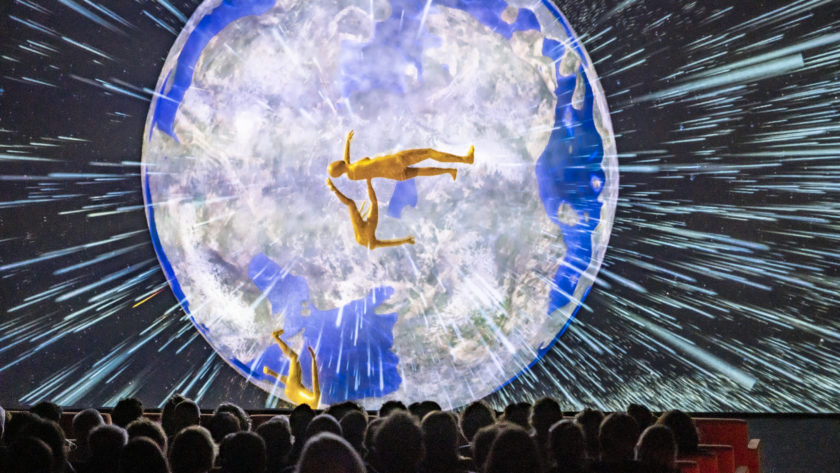
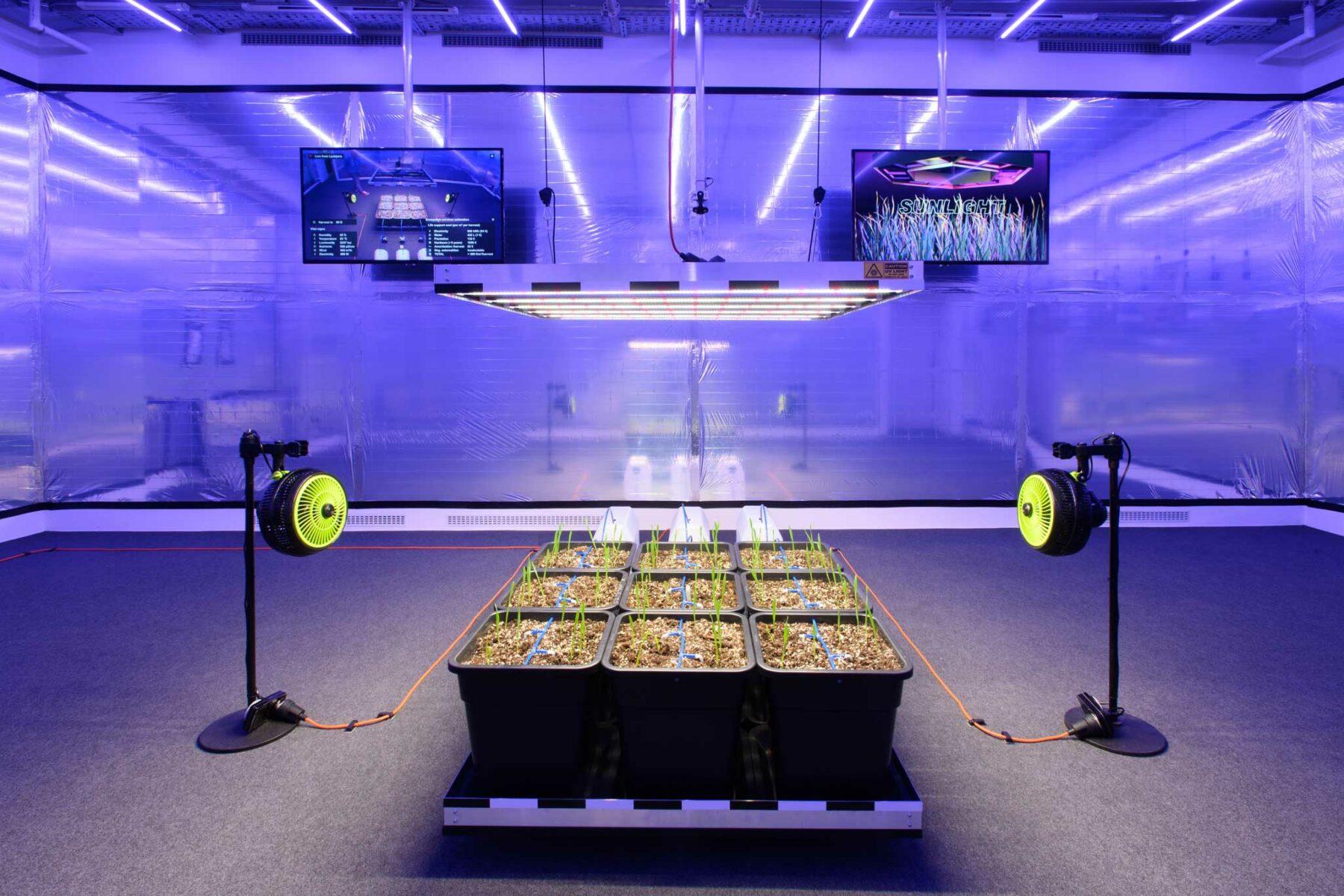
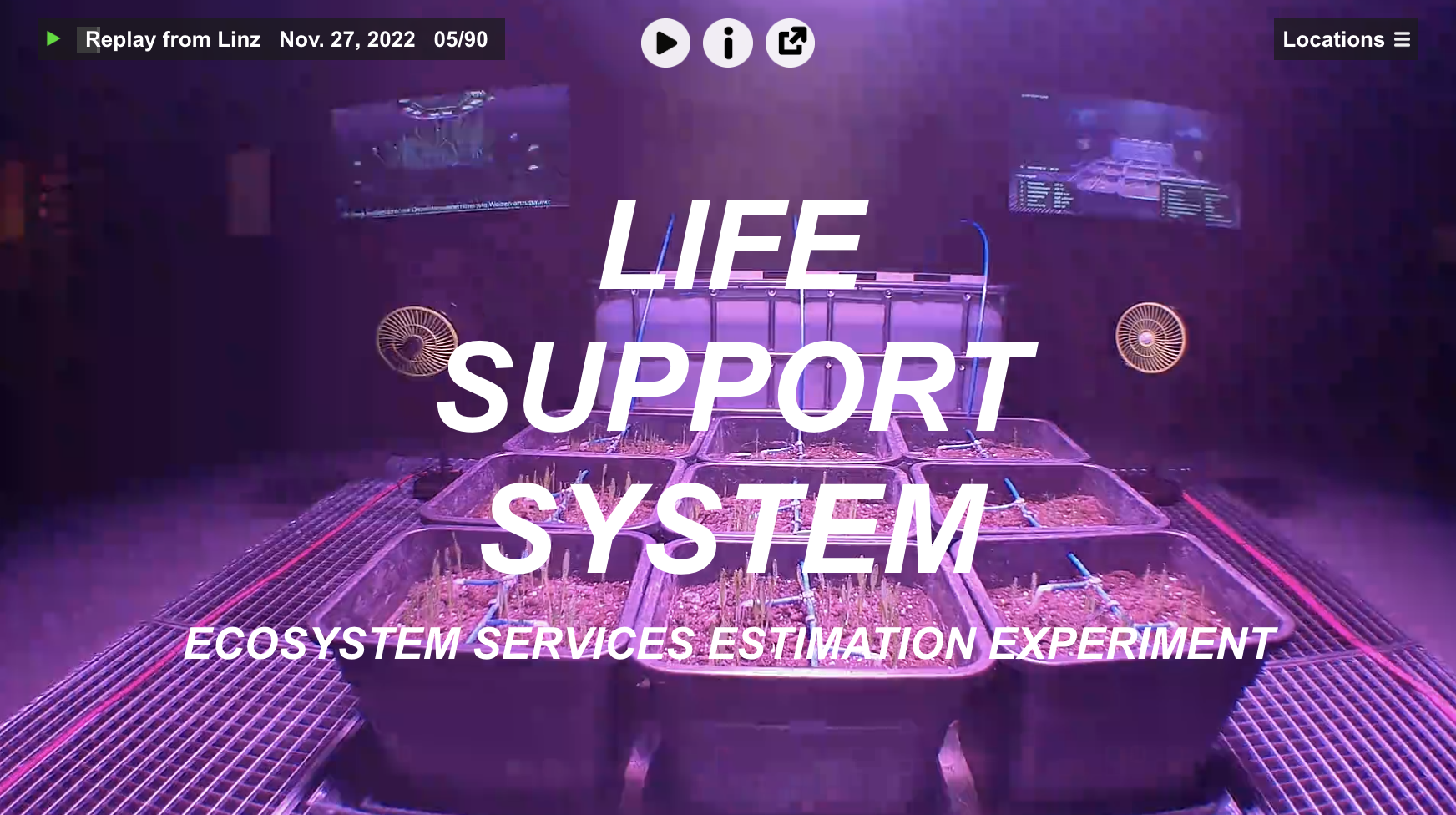
The Green Residencies programme and Disnovation.org seemed destined to connect. On one side: a 6–12 month residency enabling an artist from the performing arts or visual arts to commit to an ecological transformation of their activity. On the other: Disnovation.org, a collective founded in 2012 by Nicolas Maigret and Maria Roszkowska. Initially known for projects examining dominant technologies (military technologies with War Zones, surveillance with Profiling the Profilers, or online cultural conflicts with Online Cultural Wars), Disinnovation shifted direction in 2018. Since then, their work has focused on “the links between ecology, energy and economics — a trio through which we can understand the major societal challenges related to environmental issues,” explains Nicolas Maigret. The collective has created a bestiary of hybrid Anthropocene creatures, explored alternative economic models in Post Growth Prototypes, and quantified the economic value of ecosystems in Life Support System. A reorientation in substance, but also in form: “We asked ourselves a lot of questions and introduced many changes in our practices,” recalls Maigret. “We create works designed to be easily reproduced in different locations, easy to exhibit and circulate, and we don’t travel each time we are invited…”
When the Ministry of Culture invited the collective to take part in the pilot year of the Green Residencies programme — with a financial grant of €20,000 — Disnovation embraced the proposal and assembled a working group for a field investigation. To ensure scientific solidity, they approached Cédric Carles, founder of Atelier 21, a structure dedicated to promoting collective and accessible energy alternatives. For the host venue, they partnered with Espace Multimédia Gantner, then directed by Valérie Perrin. “They have long been interested in questions of digital impact and ecological transition, and their stance on preserving experimental and digital practices is unique in France — their collection of art and new technologies is unmatched in scale nationwide,” notes Maigret. This collective approach to leading the residency project is also encouraged by the DGCA, since the call for projects requires associating the artist with both a host venue and an ecological transition professional, who co-lead the project.
As for the creative process, the collective had carte blanche. The call specifies that “the research does not necessarily have to result in an artwork but must include a public presentation in the territory where it takes place, and be documented.” A rare and precious creative freedom, Maigret emphasises: “In most calls for projects, there is a strong expectation of finished works and deliverables. Here, the proposal was very open, focused on supporting an experimental phase. There was a relationship of trust in the trajectory, ability and commitment of artists to carry out their investigations. This is extremely rare — and it is what enabled us to pursue such an ambitious project.”
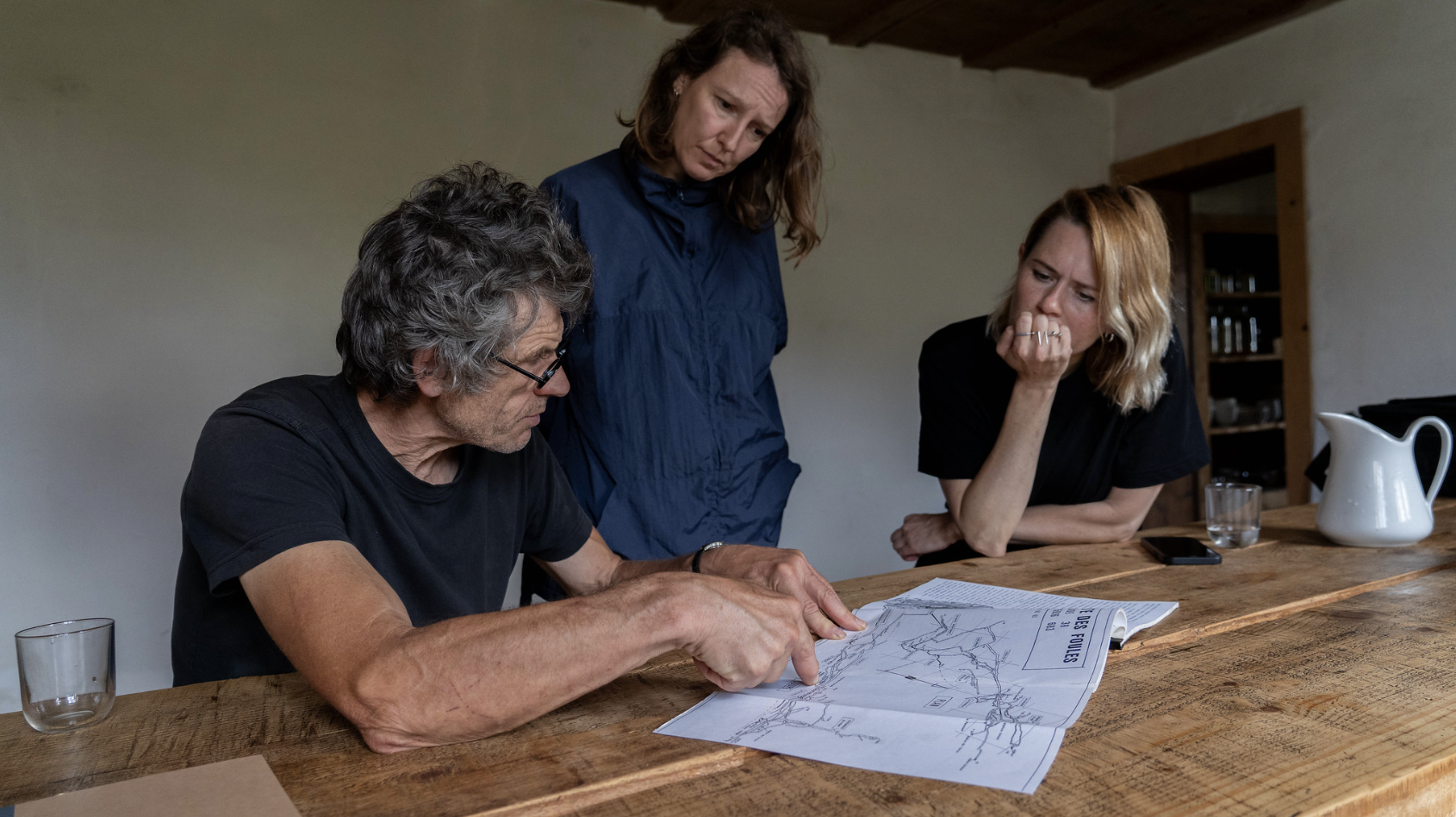
For this year of creation and experimentation, Disnovation.org chose to conduct a long-term investigation, meeting artists, designers, makers and architects who have embraced forms of bifurcation. “They are exemplary individuals we’ve encountered through our exhibitions, conferences and life experiences, and they offer us substantial insight into radical bifurcation pathways.” Among these profiles are Kris De Decker, former science and technology journalist whose frustration with techno-positivism led him to found Low Tech Magazine — a website powered by solar energy that, as noted on its homepage, “sometimes goes offline.” The list also includes Vesna Manojlovic, who works on decentralised and low-carbon event organisation for the hacker community, and Jay Jordan, performer, activist and educator, based at the Notre-Dame-des-Landes ZAD and co-author of Les Sentiers de l’utopie. “These people have developed solutions and ways to respond to existential dilemmas related to transition, stepping away from hyper-consumption, capitalism and the commodified cultural world,” summarises Nicolas Maigret.
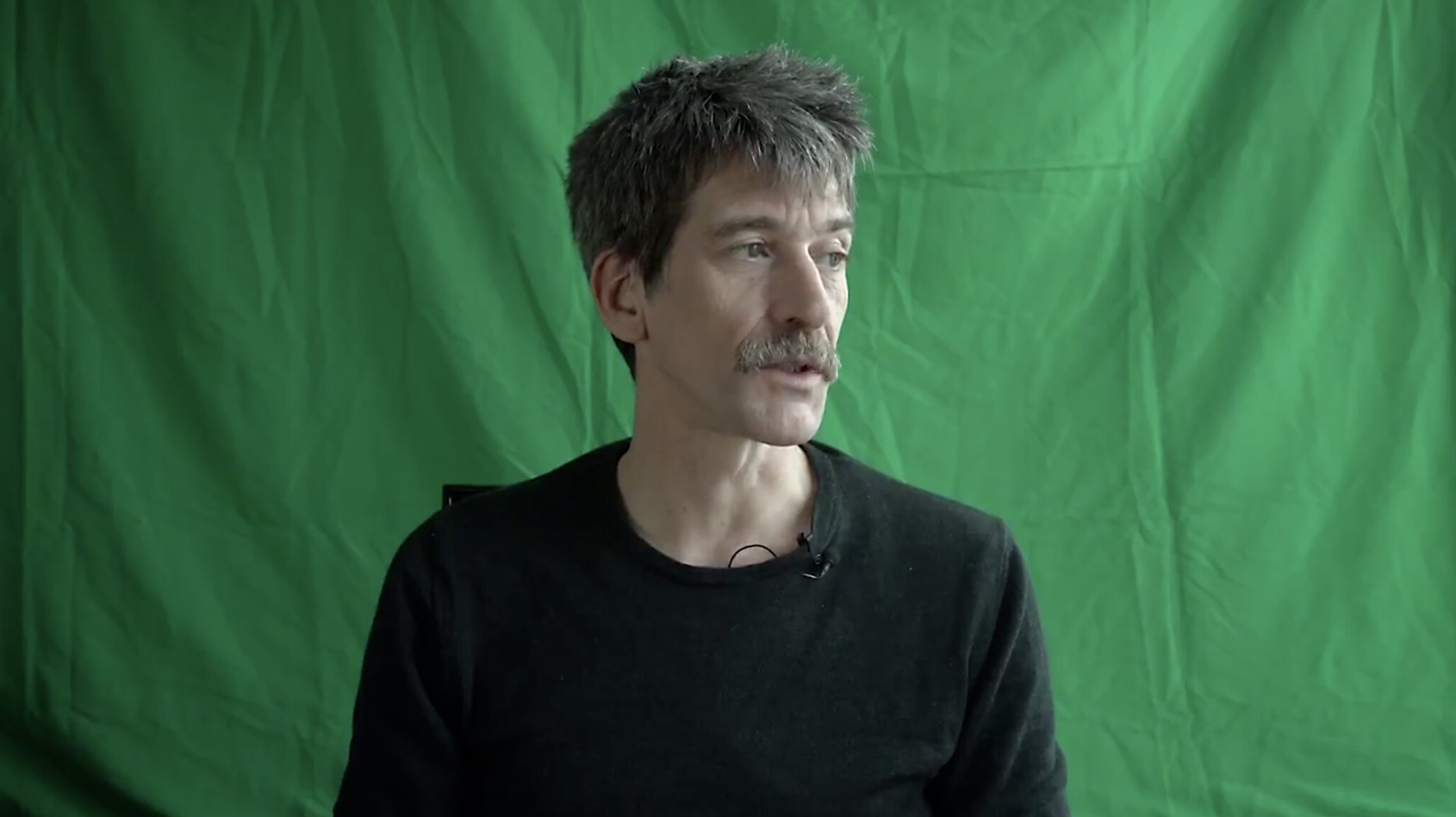
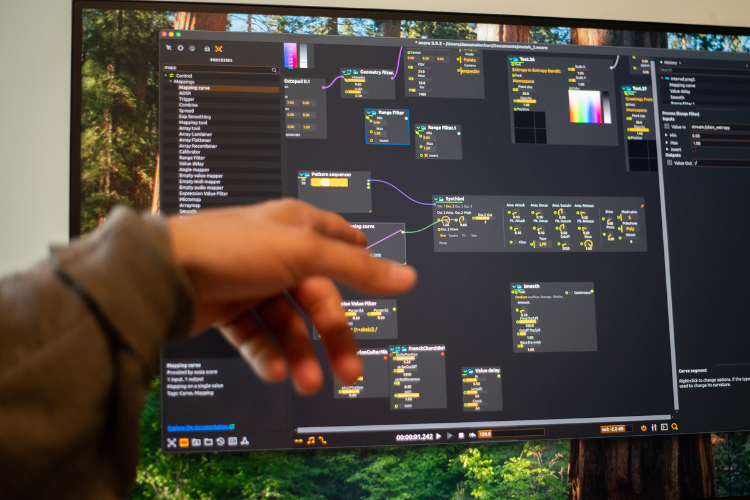
These testimonies, gathered into an “anthology of oblique trajectories,” will be presented in 2026 as an installation, a collection of texts, and also as “a choreography of low-carbon HTML and CSS events,” says Nicolas Maigret. The collective has teamed up with developer Sarah Garcin, known for frugal coding practices, to develop a low-carbon audiovisual format. The prototype of this creative tool is still under development and will be shared as open-source, Maigret assures. “Between 50 and 80% of the web’s footprint comes from video streaming,” he reminds us. “Whether YouTube, social networks, Netflix, videoconferencing… it accounts for the majority of data traffic.”
The DGCA has just closed the call for the 2025–2026 edition, with another €20,000 grant available. The result will be announced in March 2026. And for the next cohort, Maigret has only one wish: “I hope that future years will continue to offer artists the same degree of creative freedom and experimental space.”
Message received.