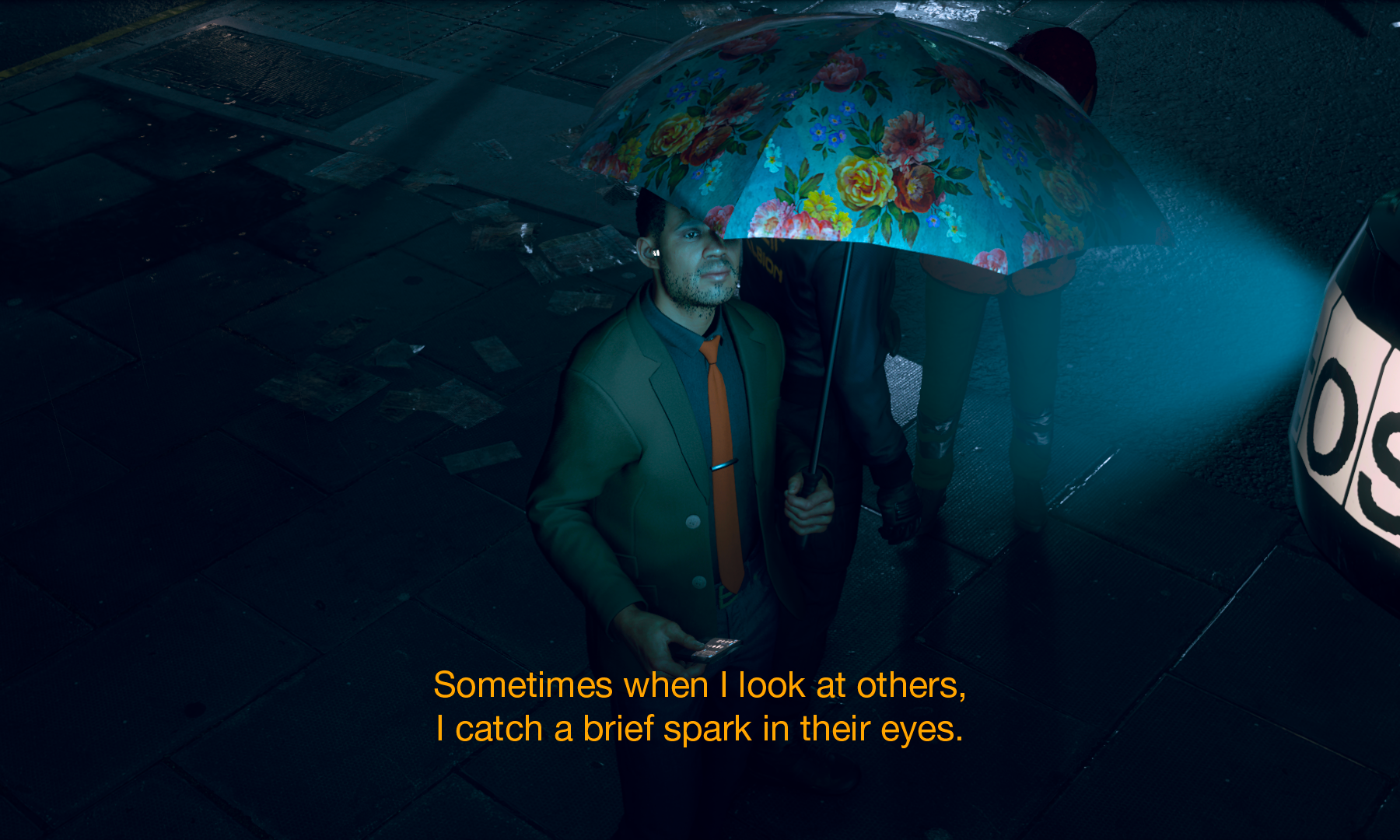
In recent years, a new photographic practice has emerged: capturing images from within video games themselves. Known as in-game photography, this movement now encompasses a wide range of approaches pursued by both amateur and professional photographers. Who makes up this rapidly expanding scene? Are we witnessing a renewal of photography as a medium? A dive into a vibrant field that challenges the very nature of images while probing the political and intimate stakes of contemporary society.
For several decades, photography has had a presence within the world of video games. As early as the 1990s, photography appeared in titles such as Gekisha Boy or through accessories like the Game Boy Camera. Interest has recently been renewed by titles such as Lushfoil Photography Sim (2024) and TOEM (2021), both photography simulators, or more unusually Viewfinder (2023), in which players solve puzzles by layering images and photographic planes. Yet while the link to photography seems obvious here, the camera generally remains at the service of gameplay; it is rarely diverted or interrogated as an autonomous artistic practice. Matteo Bittanti—researcher, curator, and co-author with Marco De Mutiis of Fotoludica, Fotografia e videogiochi tra arte e documentazione (2025)—observes that “when a game is designed primarily to be photographed, the camera is rarely in tension with the world, and the work tends to slide toward visual tourism, ambience, or technical virtuosity.” There are, however, notable exceptions, such as Beyond Good & Evil (2003) or Umurangi Generation (2021), which “deliberately reintroduce friction by treating the camera as a compromised instrument—of surveillance, evidence, or extraction—or by ironically staging the consumption of landscapes.” This zone of friction within a video game universe has undoubtedly provided fertile ground for a scene that began to flourish in the early 2000s: in-game photography. The Arte program Le dessous des images introduces it in these terms: “video games were already a vast field of creation for their designers—now they are becoming one for their users as well.”
Stepping Outside the Game’s Original Frame
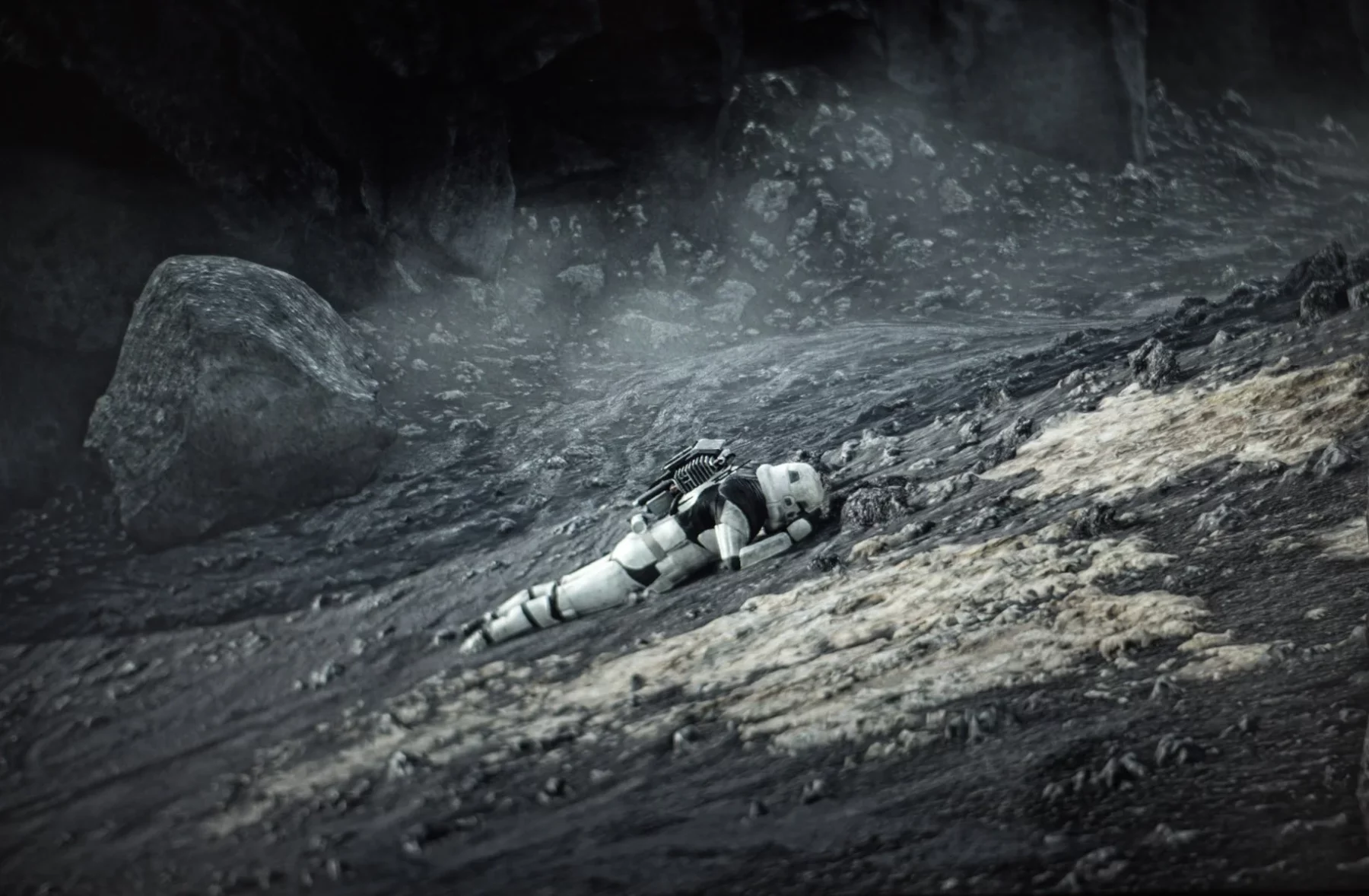
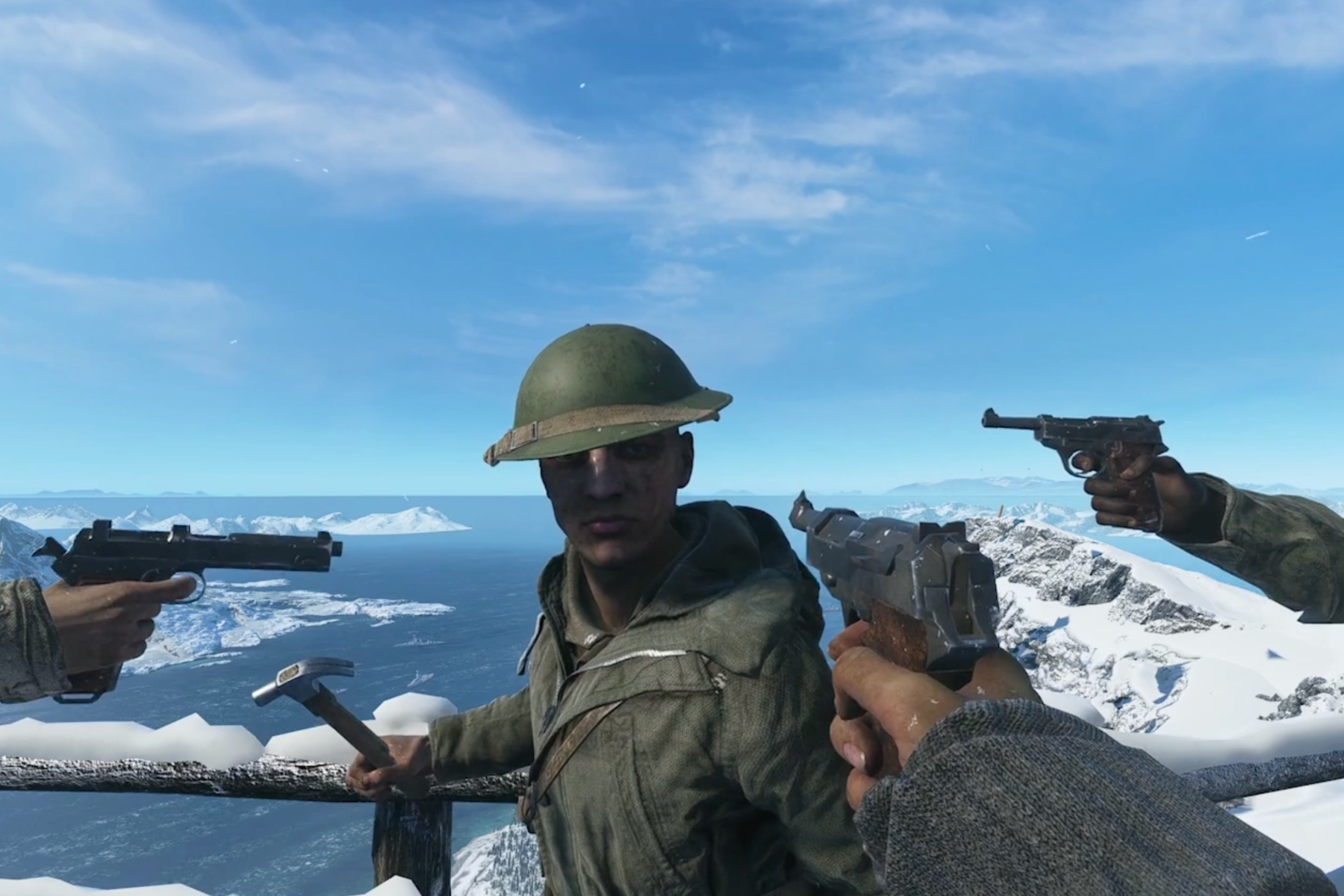
In-game photography opens up wide creative possibilities. By stepping outside the game’s original framework, players can cast a personal gaze on the virtual worlds around them and capture an image: a detail in the landscape, the posture of an NPC (non-player character), a fleeting scene. As early as 2005, Marco Manray documented the richness of social interactions in Second Life, capturing everyday life directly within the game. Around 2007, Robert Overweg began exploring video game environments with a focus on rendering bugs and glitches—precisely the elements the industry usually seeks to correct. By the late 2000s, figures such as Duncan Harris, founder of the site Dead End Thrills, were producing strikingly precise images from games. What these pioneering approaches share is their reliance on commercial games—sometimes even AAA titles. Elise Aubisse’s work, begun in 2017, offers a clear example: she screenshots franchises such as Star Wars Battlefront or Fallout.
Elise Aubisse – STAR WARS – BATTLEFRONT
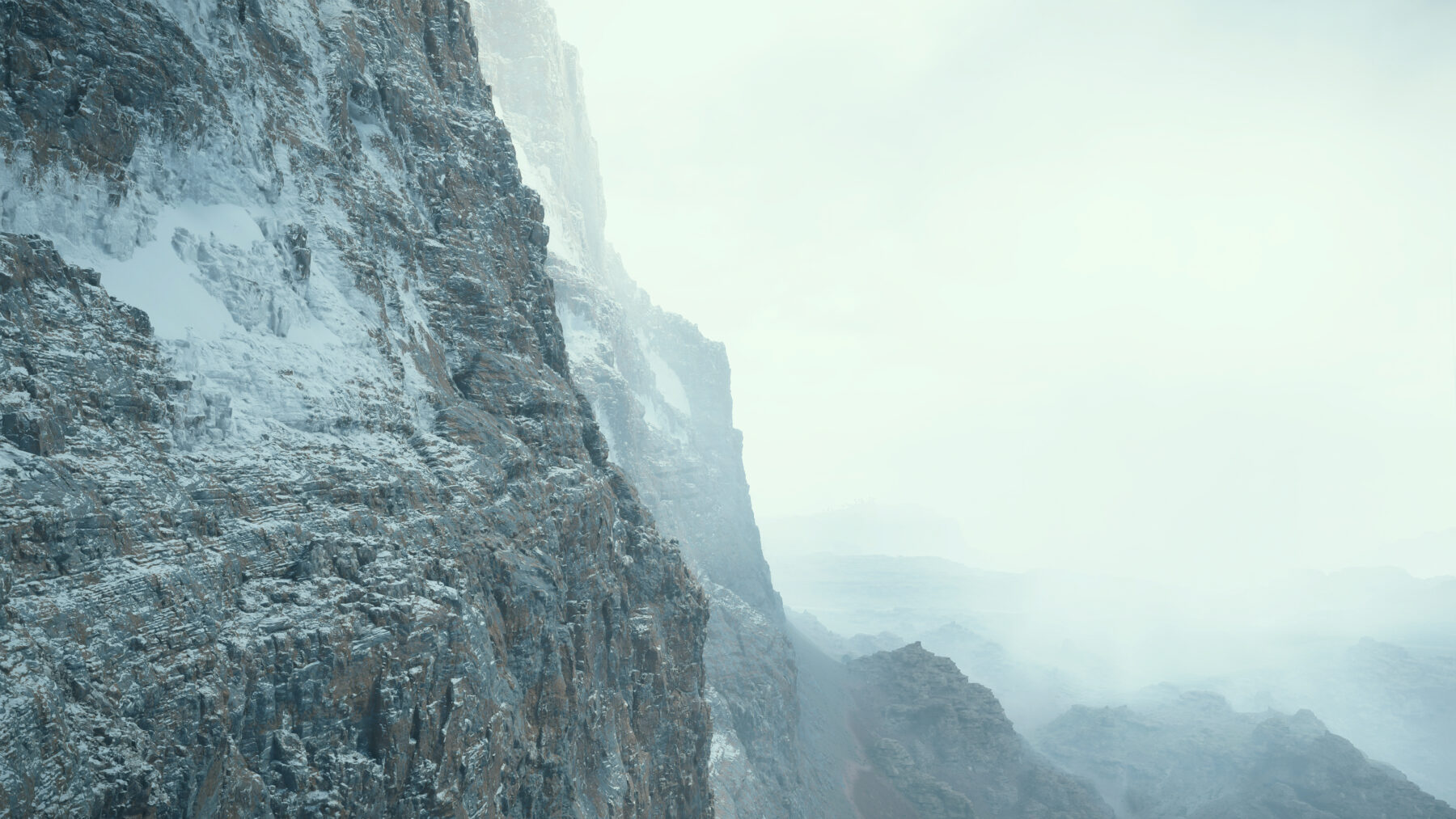
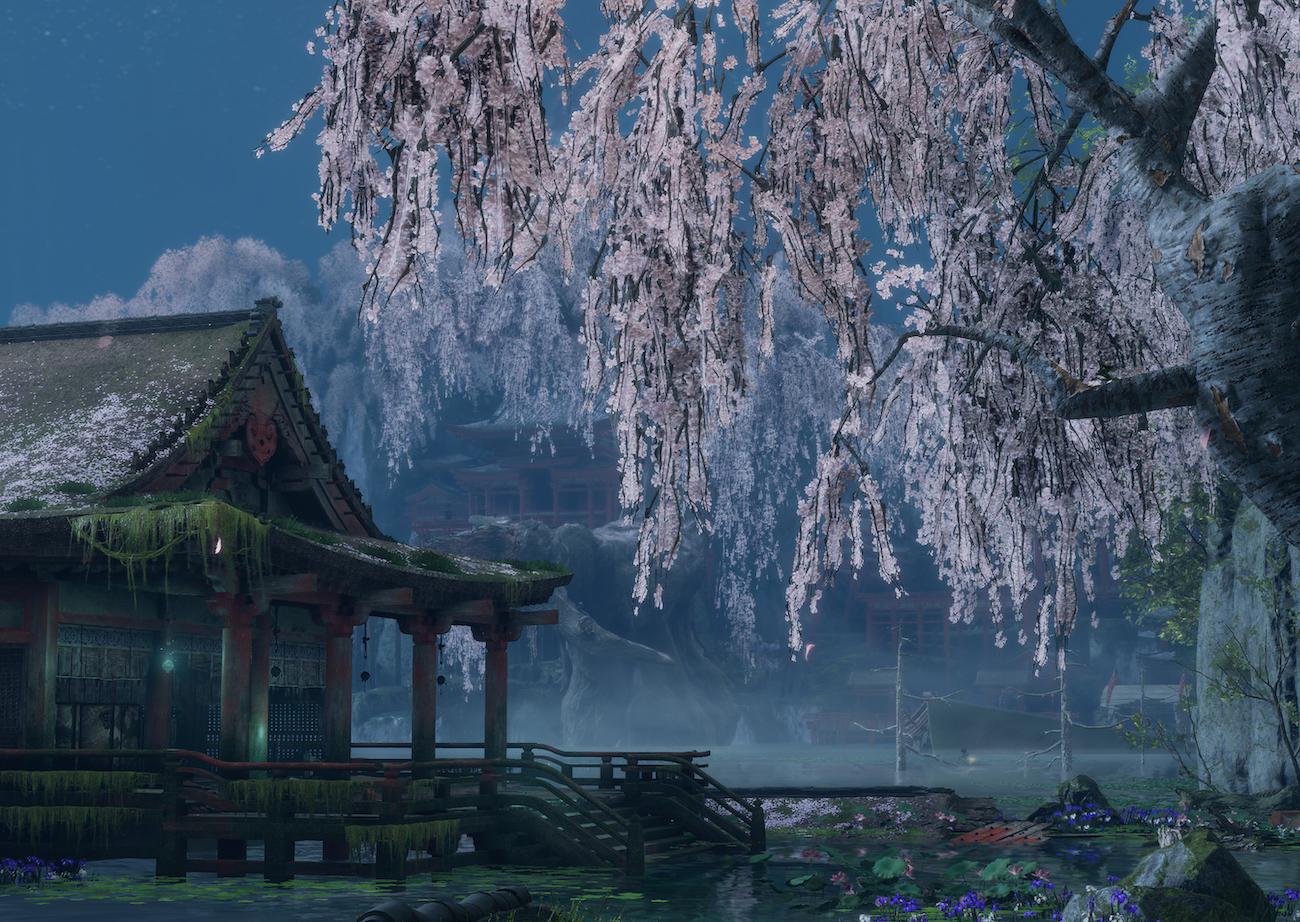
“Photographing within these games means working with constraints—camera limitations, NPC logic, repeated assets, platform compression—and with the politics embedded in design choices: what is rendered visible, which bodies are centered, how space stages labor, violence, leisure, or spectacle. This friction is productive because it gives the image its interpretive tension,” explains Matteo Bittanti. In other words, what matters is not so much the player’s freedom as the constraints inherent to these worlds, which compel us to question our cultural representations. In that sense, in-game photography is deeply artistic. Photographer Pascal Greco, who has explored in-game photography for several years and recently published Photographie, Jeu vidéo, Paysage, shares this view: “I take photographs of nature in video games—in Japan in Assassin’s Creed Shadows, in Iceland in Death Stranding,or in the Caribbean in Far Cry—in the same way I would in real life. I try to approach that form of reality. I especially enjoy observing rocks, always at eye level: why do some feel so accurate while others appear less convincing? I also explore how textures are mapped—for example water—and I’m interested in glitches. It’s a bit like with Polaroids, where accidents sometimes become part of the image.”
Pascal Greco – Death Stranding
A Multicausal Emergence
For Pascal Greco, an Italian-Swiss professional photographer, entering in-game photography happened almost by chance. The COVID-19 pandemic played a decisive role.“Between 2010 and 2013 I traveled to Iceland and published a book made with Polaroids. Ten years later I wanted to return. I had begun preparing the trip, but the pandemic prevented it. During lockdown I started playing Death Stranding by Hideo Kojima,” he recalls. “While playing, I discovered that the game’s landscapes were actually built from scans of Iceland. Very quickly I began using the controller’s central pad to trigger screenshots. It was even possible to take Polaroid-format photos. In a way, I was in Iceland—just from my living room.” From this experience came the book Place(s). Like him, other photographers turned to video games as spaces for observation and image-making. In 2020, Adonis Archontides produced Postcards from Quarantine, a series of in-game photographs created during 72 days of isolation and conceived as a journal of “virtual travel” at a time when physical movement was impossible.
Other socio-technical factors also help explain the emergence of in-game photography. The integration of capture tools directly into gaming platforms has normalized image production: screenshots have become a default gesture. Matteo Bittanti agrees: “The normalization of fluid capture played an important role because it transformed the default relationship between games and image production. A dedicated capture flow—specific button, gallery, sharing channel—shifted the screenshot from a technical by-product, often used instrumentally (for instance to record a score), to an intentional outcome.” Open-world games and the emergence of photo modes have further deepened this gesture aesthetically. “The practice has shifted toward composition, patience, and an iterative gaze. Photo modes introduced an explicitly photographic vocabulary: field of view and simulated focal lengths, depth of field, exposure-like adjustments, stackable filters, control over time of day and weather, and often a free or semi-free camera.” The camera becomes a way of inhabiting space, reading atmospheres, and producing images emerging from procedural or systemic micro-events—as in Thibault Brunet’s Vice City (2012), where he wanders through GTA capturing moments of urban beauty. Open worlds also encourage photographers to return to recurring locations, develop routines and visual motifs, and gradually build coherent series rather than isolated images. Published in 2024, The Photographer’s Guide to Los Santos by Matteo Bittanti and Marco De Mutiis even offers a guide to in-game photography in Los Santos, the GTA V parody of Los Angeles.
A Diversity of Practices
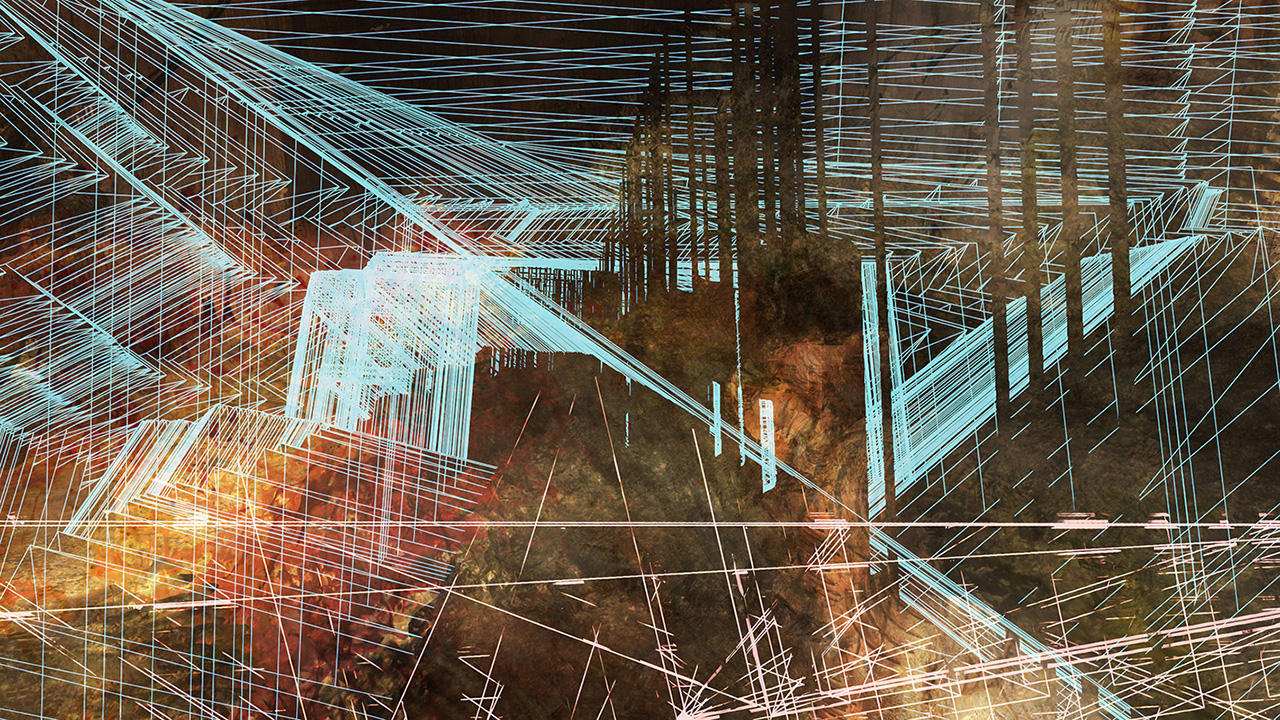
Today, in-game photography includes numerous subcurrents. Some approaches resemble documentary, abstract, or naturalist photography, while others assert distinct taxonomies. One genre focuses on virtual landscapes and their topography. As Matteo Bittanti explains, these images are “often indebted to landscape photography but reconfigured by procedural geology, asset repetition, and the designed nature of terrains.” Los-Angeles-based artist Kent Sheely offers a striking example with Impressions of Play (2024), where he overlays wireframe structures on long-exposure captures, revealing the hidden architecture of digital worlds.
Angeles Kent Sheely – Impressions of Play
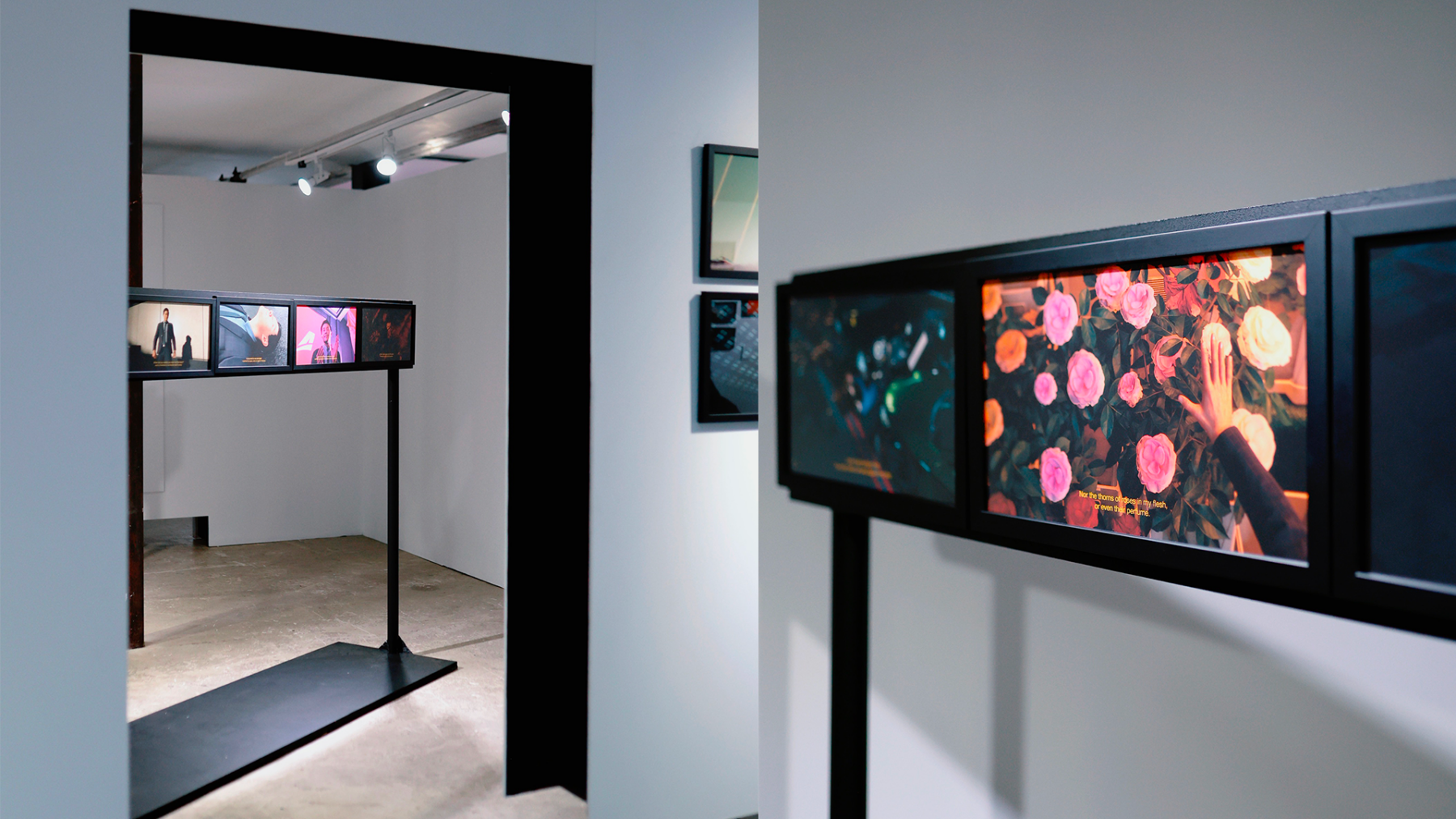
Another current resembles a form of street photography applied to the social body of the game. “These works focus on crowds, NPC behavior, everyday micro-events, and the city as a choreographic engine. The camera functions as an observational instrument of a simulated public sphere,” continues Bittanti. This is notably the case in the work of French artist Mélanie Courtinat with Side Quest is Not Enough (2022). The piece follows an NPC who gradually—and disturbingly—becomes aware of their condition: imprisoned in a video game, a mere digital construct, and even more cruelly condemned to remain a secondary character. We accompany their desperate search for “real” sensations as they push the limits of violence, before realizing that what truly consumes them is overwhelming loneliness. Other works examine the avatar as subject and explore issues of gender and self-stylization. This perspective is taken by the artist behind the avatar La Turbo Avedon, who uses her fictional status as a virtual artist and curator to explore self-expression in the digital age. Similarly, in Away with You (2016), Rindon Johnson adopts an anti-racist approach by scanning his own face into NBA 2K16 to see what kind of character he is allowed to embody.
Mélanie Courtinat – Side Quest is Not Enough
Legitimacy and Longevity of the Movement
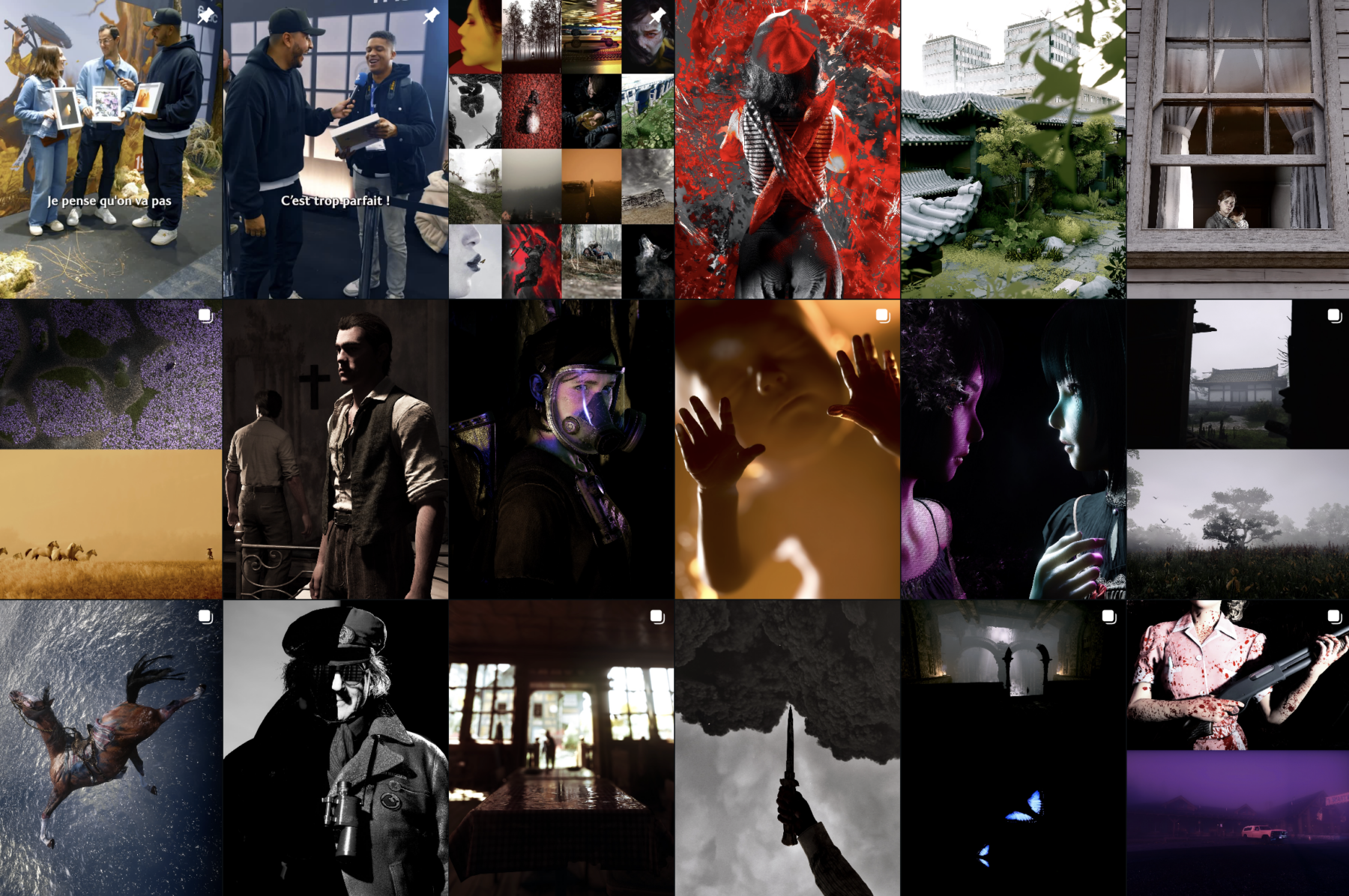
It is also worth noting that some in-game photographers come directly from gaming culture itself, such as creators pepogamer1986 or tiago_photomode. These practitioners often enjoy strong visibility on social media, particularly through accounts such as Society of Virtual Photographers or Photo In Game, which bring together communities and widely disseminate these images on platforms like Instagram. In recent years, the industry itself has embraced the phenomenon. The publisher Ubisoft, for instance, organizes In-Game Photography Contests, inviting amateur photographers to work directly with its catalog of games. As Matteo Bittanti notes, “Photographers who come from gaming culture often consider the game as a lived space: they know how to ‘read’ its systems, work with constraints, weather cycles, NPC behaviors, animation loops, clipping, and the limits of posing tools.” At the other end of the spectrum are practitioners coming from traditional photography, who often benefit from a more established artistic legitimacy. These artists tend to emphasize history and discourse. “They bring a sharp awareness of what photography has historically been asked to do—indexicality, claims to proof, generic conventions, the ethics of staging—within an environment where images are, by definition, synthetic.”
@photo.in.game
Despite the vitality of the in-game scene, traditional photographic institutions have sometimes been slow to recognize these works, as the medium complicates inherited assumptions about capture, referentiality, and photographic apparatus. Yet several organizations have already paved the way, including Fotofestival Lenzburg, Fundación Foto Colectania, and Octobre Numérique in Arles. Some artists even explore a direct dialogue between virtual capture and material photographic processes. Giath Taha and Angela Washko, for instance, rework in-game images through printing techniques such as cyanotype, creating a bridge between synthetic imagery and photography’s culture of imprint. Nevertheless, as Matteo Bittanti concludes, “Many in-game photographers are not waiting for institutional validation: they have already built their own circuits of legitimation through platform publishing, community critique, micro-curation, and increasingly through galleries and festivals.” Yet the art world often grants legitimacy through the market. From that perspective, in-game photography confronts a major question: who owns these images? The player who captures them, or the studios that design the worlds they come from? The debate echoes the legal issues surrounding sampling in music. Photographer Pascal Greco reflects on his own experience: “The challenge is selling works that are copyrighted. From the many discussions I’ve had, we’re clearly in a grey zone. Exhibiting isn’t complicated; selling through galleries or books becomes more delicate. Personally, I always list all trademarks to avoid potential issues. But I don’t risk much because I photograph only existing nature, not designed characters or set elements.” This legal issue also limits the artistic scope of in-game photography in certain games. Licenses developed by Nintendo—Zelda, Mario, and others—are particularly protected by the Japanese company, famous for its strict intellectual-property litigation.
Virtual Photography in the Background
Yet in-game photography likely has a promising future. First, because it resonates with issues that extend beyond the relatively narrow circle of gamers. It reflects a broader transformation in how images are produced. In this sense, in-game photography belongs to a wider movement: virtual photography. In recent years, game engines such as Unreal have expanded the field of this practice and helped broaden real-time image culture by lowering the technical barriers to creating 3D scenes, lighting them, and rendering them through camera systems borrowed from photographic and cinematic conventions. Artists can create environments ex nihilo and treat the engine not as a preexisting cultural object but as an image studio in its own right. This is the case, for example, with Thibault Brunet’s 3600 secondes (2022), which produces a collection of virtual clouds generated within game engines.
Ultimately, the emergence of these synthetic images invites us to question the very definition of “photography”—a practice traditionally indexed to reality. While the term remains relevant to emphasize the gesture and the player’s ability to cast a gaze upon a digital world, it also blurs the boundaries between real and virtual. Perhaps it would be more accurate to speak of in-game images—unless, of course, the very interest of in-game photography lies precisely in that ambiguity.
Through his experiences, Adrien Cornelissen has developed expertise in issues related to innovation and digital creation. He has collaborated with a dozen French magazines, including Fisheye Immersive, XRMust, Usbek & Rica, Nectart, and Revue AS. He coordinates HACNUMedia, which explores the changes brought about by technology in contemporary creation. Adrien Cornelissen lectures at higher education institutions and creative organizations.