Immersive Dreams or Autonomous Drones? XR’s Military Turn
Article published on 23 September 2025
Article published on 23 September 2025
Through these editorials, HACNUMedia gives voice to those at the heart of digital creation — a free and critical perspective…
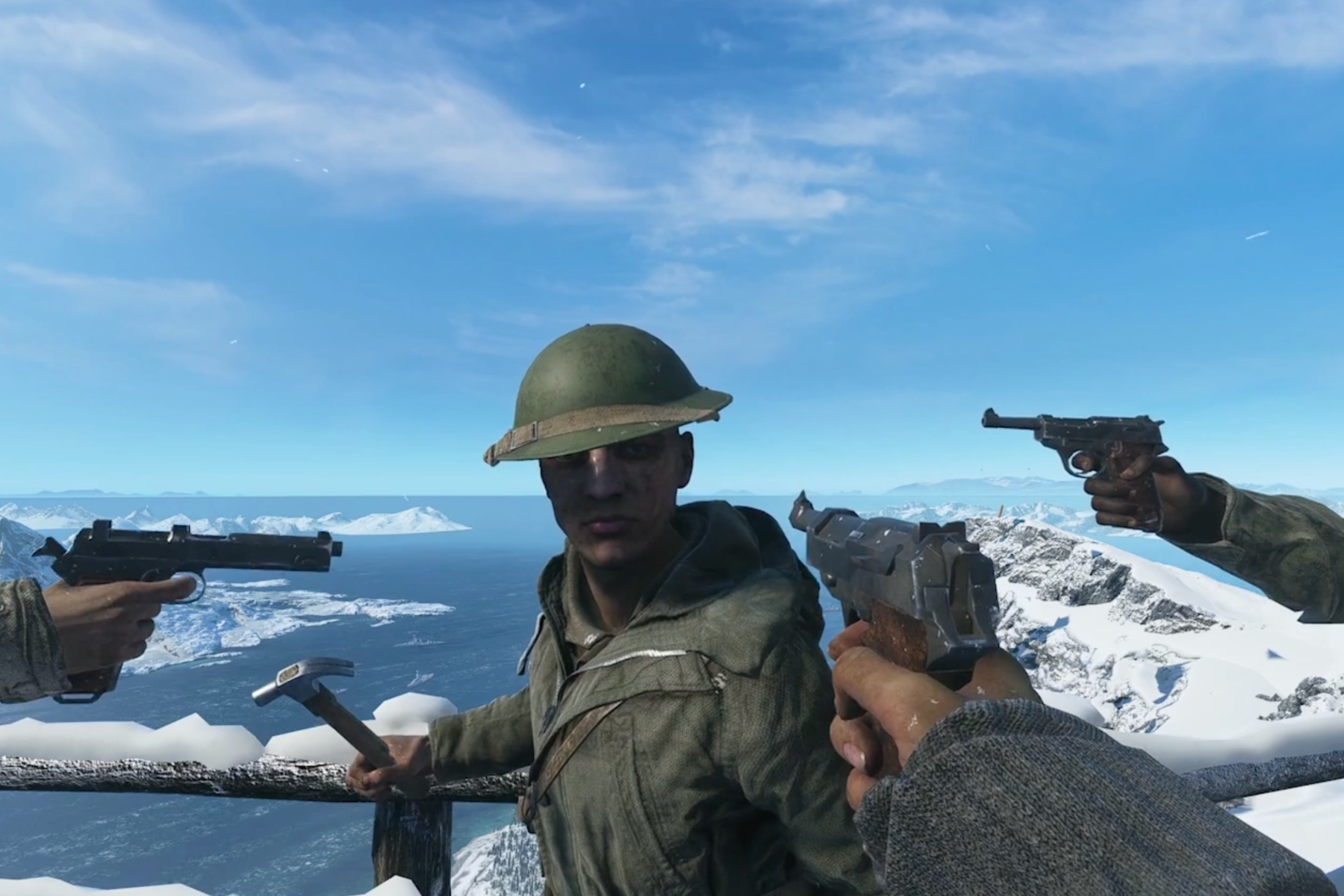
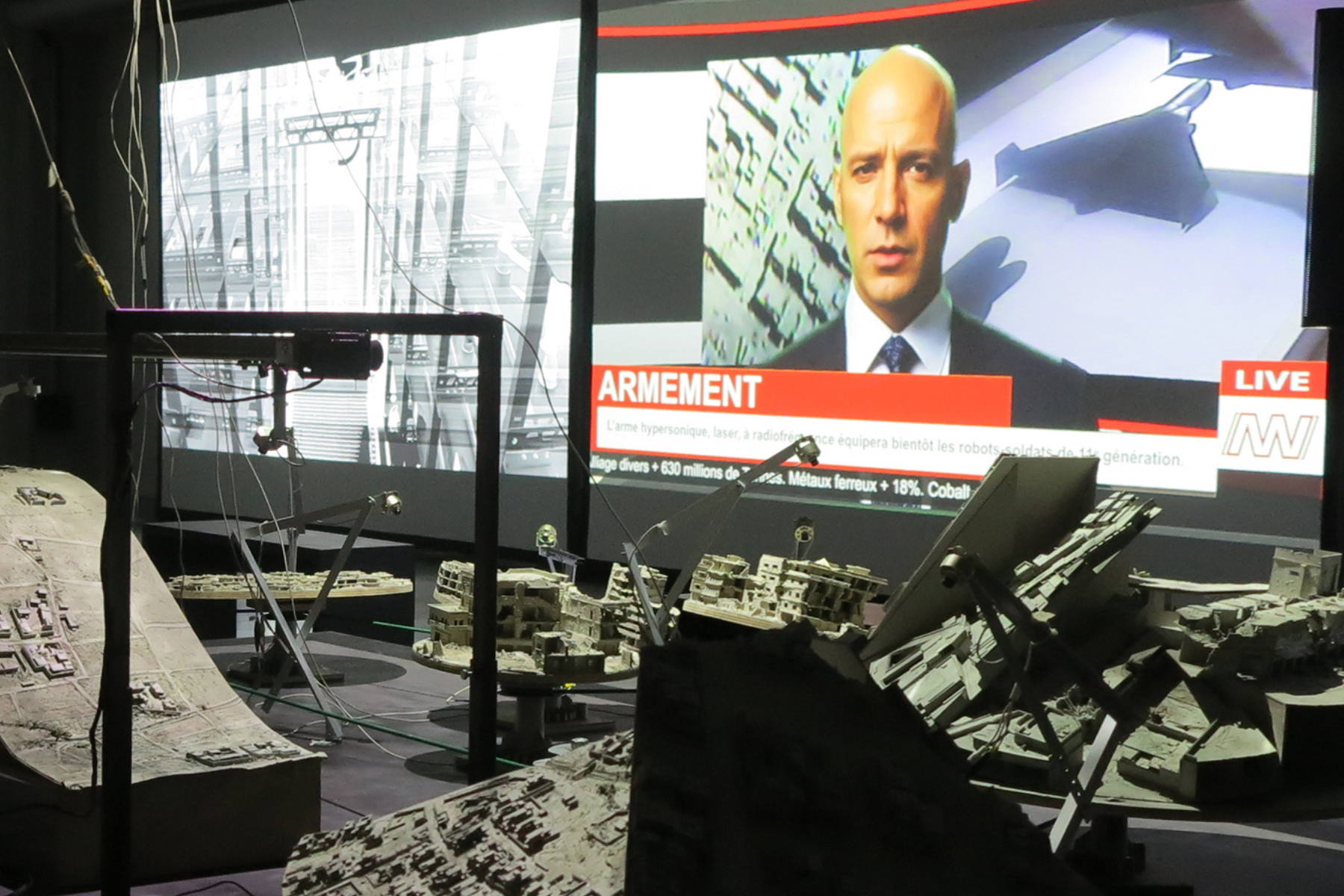
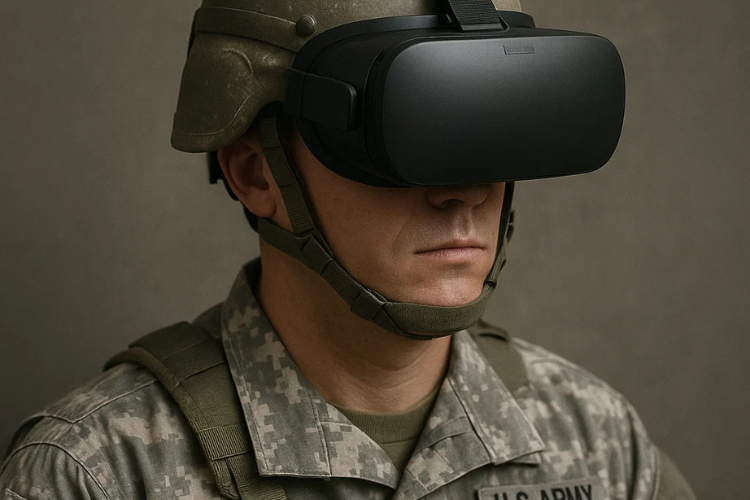
Recent news has made things clear: while Europe is still imagining a civic metaverse and cultural immersions, Meta is already equipping the U.S. Army. The announcement of the collaboration between Mark Zuckerberg and Palmer Luckey — founder of Oculus and now head of Anduril, a rapidly expanding defence contractor — marks a turning point. This rapprochement illustrates the ongoing continuum between the entertainment industry and the war industry. The promises of an immersive universe dedicated to creativity and social interaction are shifting, almost imperceptibly, toward the battlefield. Goodbye smiling avatars and virtual open spaces: here come the over-armed technomancers, capable of operating autonomous systems through XR interfaces and military AI models. What was marketed as a future of encounters and play has become a tool of control and combat
This military backlash is anything but anecdotal. As so often in the history of technology, the war imaginary captures and reroutes what might have been a space of emancipation. XR, which was supposed to expand our perceptions, is turning into a combat simulator.
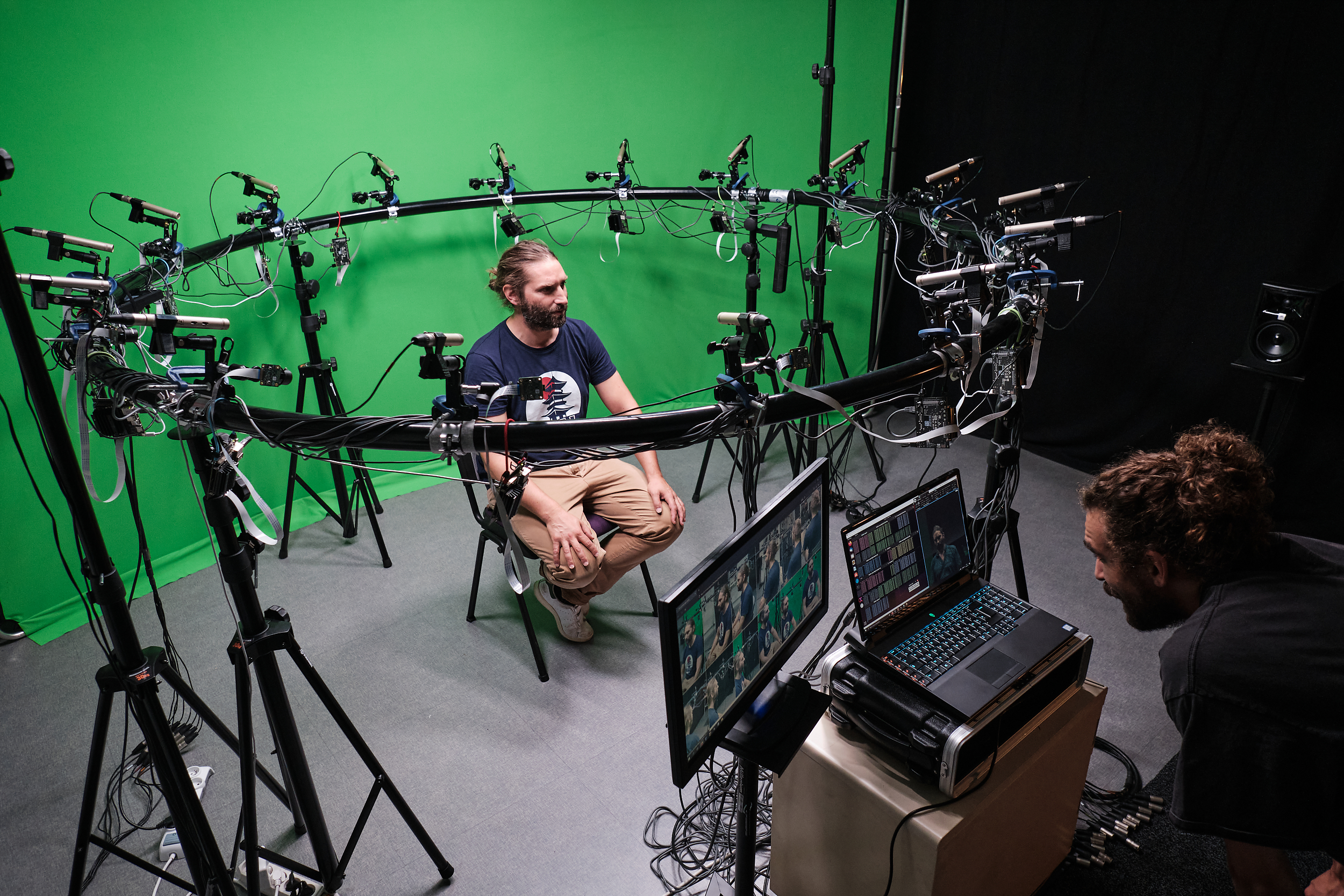
And it’s not just a matter of uses — it’s also a matter of data. Every gesture, every interaction produced in XR, whether linked to entertainment or artistic creation, feeds vast training databases. At Meta, for example, our bodies, our intimacy, and our imagination become raw material. These data, collected under the pretext of improving our experiences, also serve to calibrate models destined for military purposes: simulating behaviours, anticipating movements, optimizing reactions. Our creative impulses thus feed logics of control.
In this context, the figure of the artist fades behind that of the content creator. As the sector becomes increasingly industrialised, artists are pressured to produce within platform-defined standards, to feed streams calibrated for attention and data capture. Art becomes content; experience becomes metrics. This shift neutralises the critical and poetic scope of artworks, absorbed into the entertainment economy — an economy whose benefits once again spill over into military applications.
This is why the place of artistic creation remains essential. Art is not a mere immersive gadget: it diverts, questions, unsettles. Faced with creeping militarisation and the reduction of artists to “content providers,” we must preserve zones of friction — poetic and political spaces where the experience remains human, fragile, subjective.
To create in XR today is not only to explore a new medium. It is to resist the industrialisation of our perceptions. It is to assert that other uses are possible, that our bodies and our gaze must not be reduced to trainable targets or exploitable data streams.
XR is not neutral; it is a machine for producing the sensible. It is up to us to decide what we inscribe within it: the shadow of battlefields or the light of other possible worlds
Editorial by Adelin Schweitzer
Vous êtes artistes, professionnel·les de la culture et des industries culturelles et créatives… et vous souhaitez partager un regard critique ? Contactez nous.