What does the term “digital creation” mean?
Article published on 18 February 2026
Reading time: 8 minutes
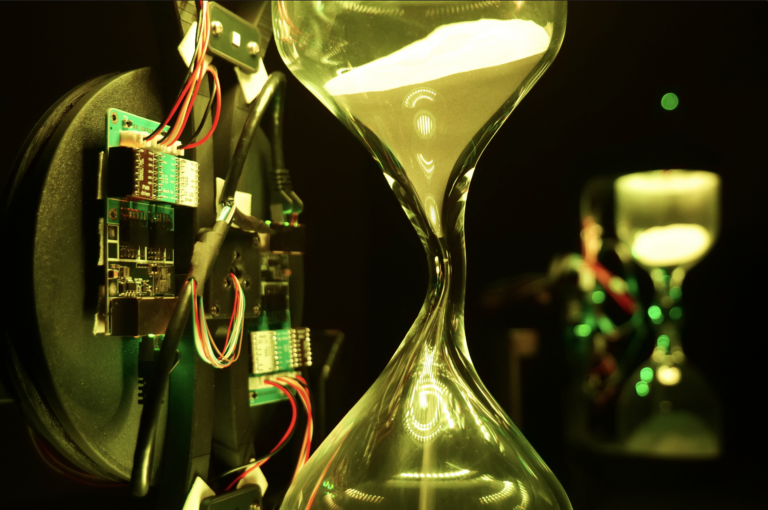
Justine Emard, Myriades © Adagp, Paris 2025
Article published on 18 February 2026
Reading time: 8 minutes
At first glance, the term “digital creation” can seem both outdated and overused. Outdated, because digital tools are now commonplace in performances and exhibitions. So how can we meaningfully situate digital creation today? Overused, because of its widespread adoption within the creative and cultural industries. Does it still truly refer to art? A brief semantic debate, set against a historical backdrop.
Today, the term digital creation is frequently used—by institutions such as the Ministry of Culture, the CNC, and the Institut français, as well as by cultural organizations and artists themselves. Yet it can be difficult to grasp exactly what the term encompasses. This was, in fact, the primary finding of a study conducted by DRAC Bretagne in late 2023: “The subject is complex, as it involves notions of hybridization across media, practices, and spaces… A wide range of aesthetics exists, as technological evolution has profoundly transformed practices and enabled new forms to emerge.” A fuzzy term, with boundaries that are both broad and narrow, it fuels ongoing debate among professionals, artists, and institutions—and echoes the (longstanding) controversy surrounding the very nature of digital arts.
It is through this historical lens that Franck Bauchard, Coordinator of Digital Policies within the Directorate-General for Artistic Creation (DGCA) at the French Ministry of Culture, approaches the subject: “Since the early days of digital creation, there have been ongoing debates about the terminology used.” While this is not intended as an art history lesson, this perspective helps us understand that controversies have long animated this artistic field.
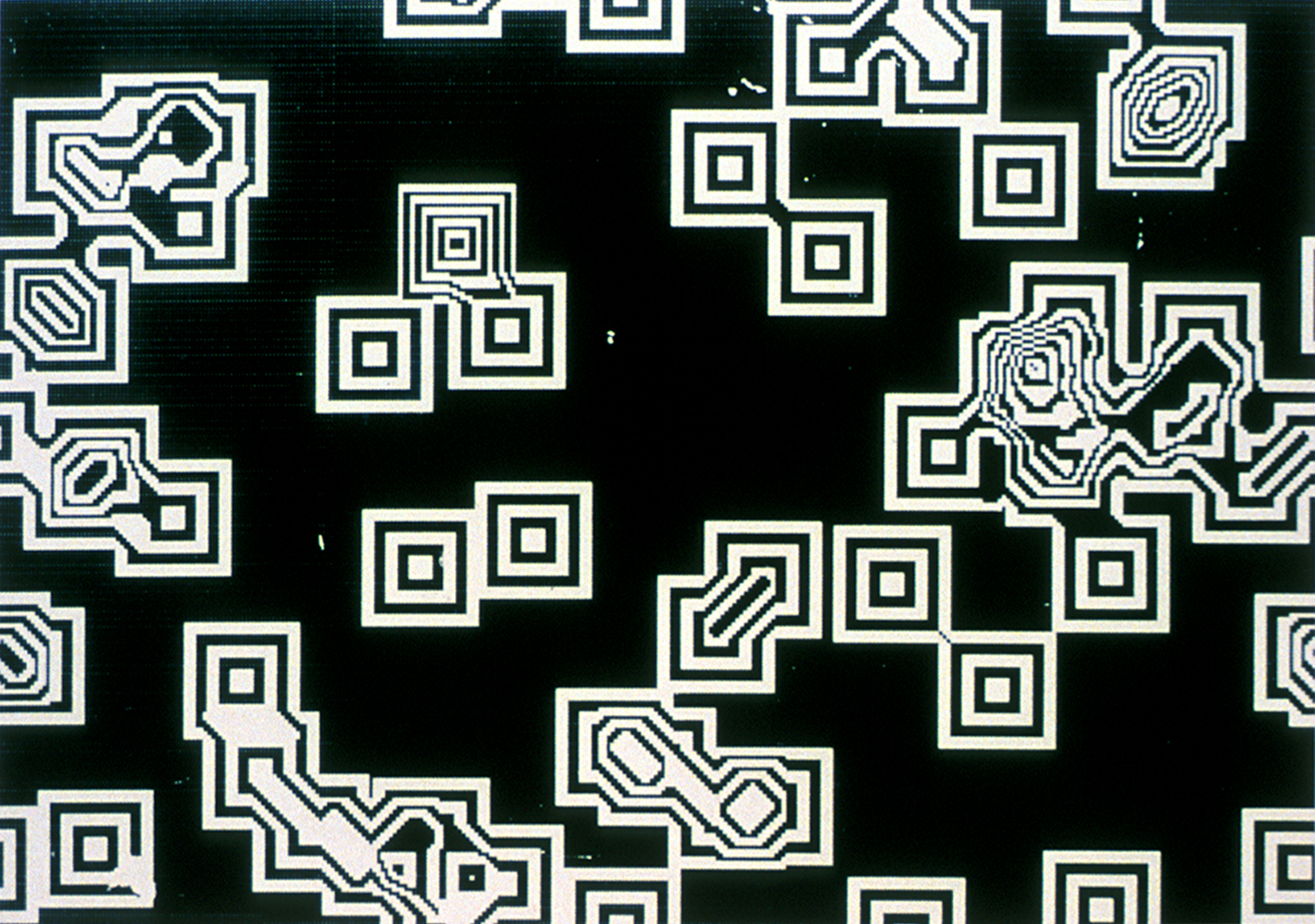
In the 1950s and 1960s, the first practitioners of computer art were engineers or scientists, such as Lillian Schwartz and Kenneth Knowlton, with the computer at the very core of the production process—works whose very status as artworks was sometimes called into question. With the advent of the personal computer, digital art gradually became more accessible, and artists began to appropriate the medium to create works in multiple forms (video, music, images, etc.), a development notably supported in France by the DICRéAM (Multimedia Creation Support Scheme) in 2001 (editor’s note: discontinued in 2022).
At that time, the debate centered on whether one needed to know how to code in order to be considered a digital artist. More recently, the question has shifted: in an era where digital technology is ubiquitous, has the internet become less a tool for creation than a subject in itself, an aesthetic? As technologies evolve at a rapid pace, digital creation remains in constant motion, both in its techniques and in its conceptual concerns. Franck Bauchard speaks of the “original sin” of digital arts, which initially defined themselves through technique. “The challenge now is to move beyond their association with a particular medium and to engage with artistic concerns through technology.”
Justine Emard is regularly featured in the various venues and festivals associated with this field. Yet there is no trace of the terms digital creation, digital art, or new media art in her biography. There, she simply presents herself as an artist—full stop.
“In my trajectory and career, I have always been positioned between the contemporary art world and that of digital arts, but labels have always bothered me,” she explains. “We have moved beyond the time when an artist worked with a single medium,” adds the artist, who mentions incorporating photography, video, and virtual reality into her practice. In doing so, she seeks to “question the media of our time,” while bringing together artistic creation, technological exploration, and neuroscience.
According to the artist, “the term digital creation is reductive, whereas [in my works] there is a real physicality—a physical embodiment of software or code in the form of installations, sculptures, and so on.” These are debates that regularly run through the fields of digital cultures and hybrid arts.
In 2024, a new term began to gain institutional traction at the same time as five regional hubs dedicated to artistic creation in digital environments were established. Emerging from discussions between sector professionals, the Regional Directorates for Cultural Affairs (DRAC) and the Directorate-General for Artistic Creation (DGCA), the term environment was appended to digital. “Technologies are environments we inhabit. The notion of environment suggests that they affect us and transform us, within a relational dynamic,” explains Franck Bauchard. This nuance also resonates with Justine Emard, given the openness it introduces. She nevertheless prefers to speak of an ecosystem, which she considers “more dynamic” and better able to reveal the processes of interaction at work.
As a dedicated policy framework takes shape, one key question remains: what criteria determine whether a work belongs to the field of digital creation? Where does the boundary lie between artistic creation in a digital environment and, say, a theater production that uses video? “Artistic creation in a digital environment is a distinct field, but one that is also open to artists who wish to engage with complex digital processes,” answers Franck Bauchard. For him, the distinction lies in the creative process itself—much like Chimères, a research and experimentation program conducted between 2018 and 2023 with DGCA support, open to all creative disciplines and aimed at supporting hybrid artistic writing and contemporary uses of technology. The reflective dimension of these works stems from the idea that “to question technologies, you have to explore them,” Franck Bauchard argues.
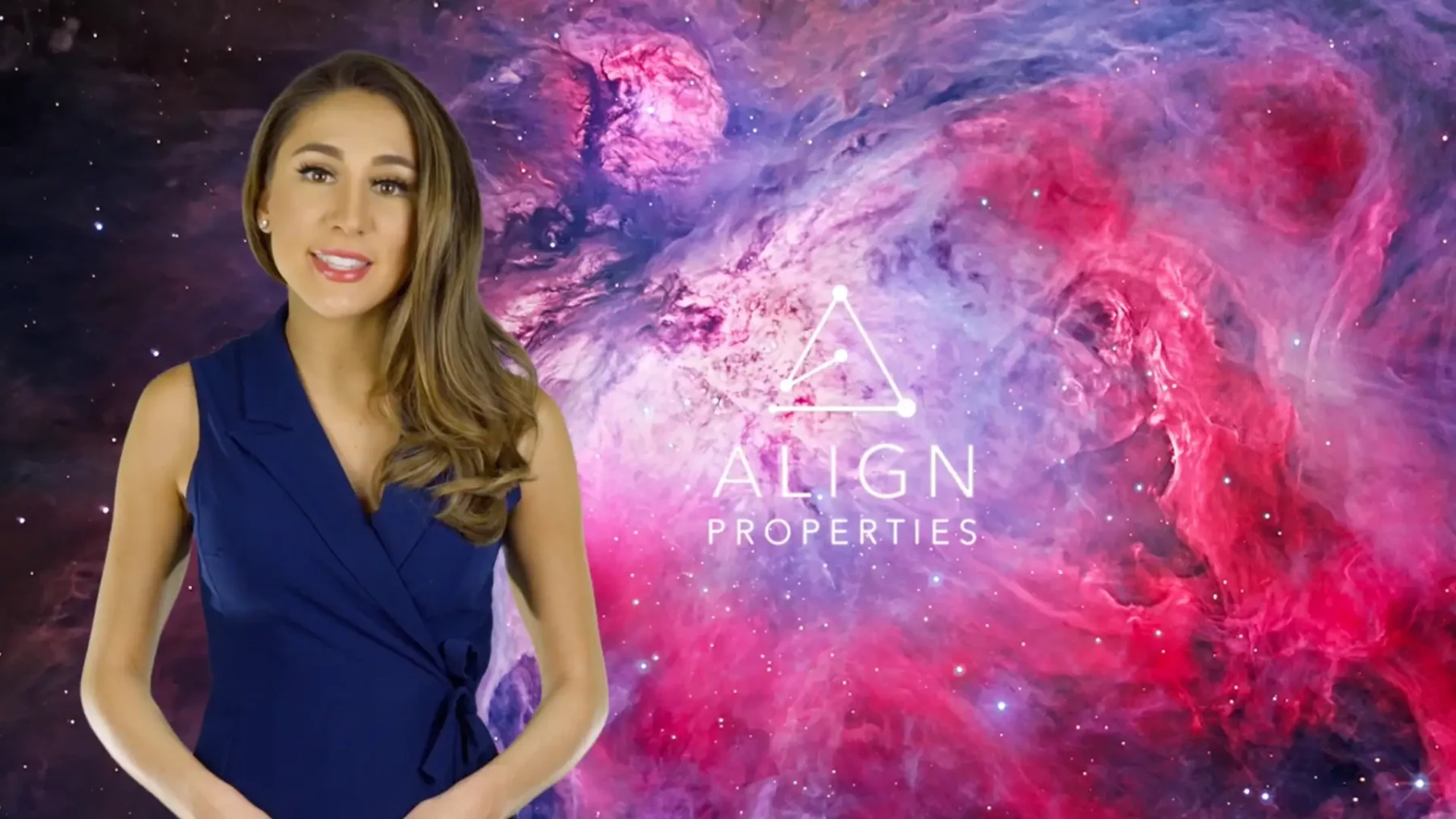
For Anne-Laure Belloc, Director of Digital Arts and Culture Programming at Stereolux and representative of the Pays de la Loire hub for artistic creation in digital environments, complexity of process is not a necessary criterion: “A work can simply revolve around a reflection on technology.” This is the case, for example, with Alice Bucknell, programmed at the Scopitone Festival in 2025 with Align Properties, a video work exploring the relationship between spirituality and big data.
What if the key word isn’t environment so much as artistic? What if the real debate is about the purpose of digital creation? Justine Emard points to a persistent “confusion” with the creative and cultural industries, where the term is frequently used. Anne-Laure Belloc, for her part, sees certain contents as “applied forms of art products.” Academic programs in Digital Creation further illustrate the term’s polysemy. “The label ‘Digital Creation’ brings together a wide range of pedagogical practices and professional scopes. Its use by the Ministry distinguishes it from other master’s programs in fine arts, audiovisual production, or video games,” explains Samuel Gantier, Associate Professor in Information and Communication Sciences at Université Polytechnique Hauts-de-France, where he heads the Graphic and Interaction Design track within the Digital Creation Master’s program.
Although today the term “artistic creation in digital environments” appears to have reached a consensus, Franck Bauchard is quick to point out that it remains in constant evolution: “Any definition is necessarily unstable and must be regularly re-examined collectively by the stakeholders involved.” To be continued…
Julie Haméon