A Study to Diversify the Economic Models of Digital Arts Organisations.
Article published on 16 January 2025
Reading time: 6 MIN
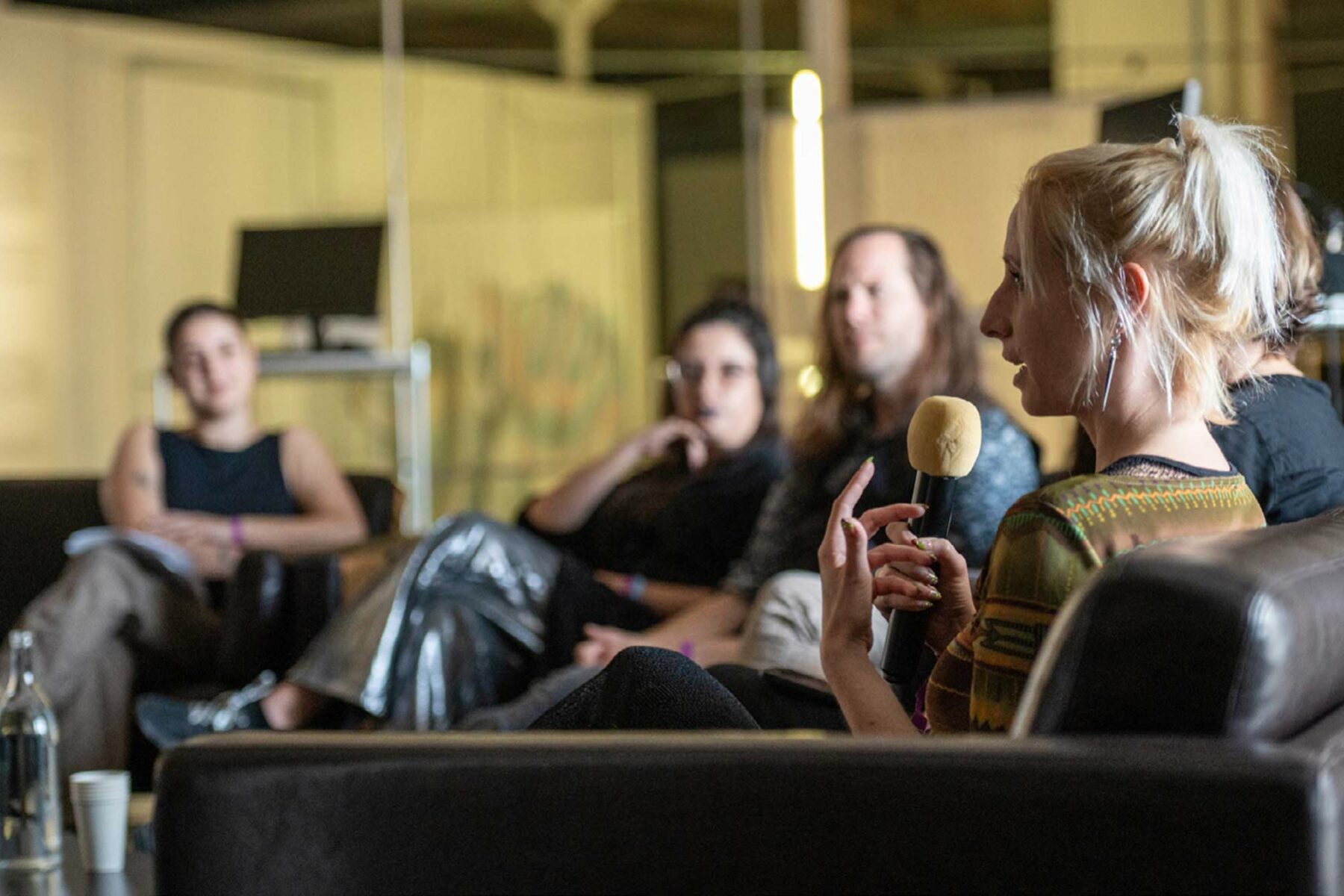
©Gregoire Edouard - DIS - Case Study - Chroniques
Article published on 16 January 2025
Reading time: 6 MIN
Digital Inter/Section, a multi-year project supported by the European Commission’s Creative Europe programme, has just released four case studies highlighting innovative financial strategies implemented by digital arts organisations and festivals across Europe. Signal Festival in Prague, Kikk in Namur, Kontejner in Zagreb, and Chroniques in Aix-Marseille have all taken part in research that identifies key areas of economic resilience and diversification of revenue sources. What are these economic strategies? What lessons can be drawn from these studies? We take a closer look alongside Fabien Fabre, one of Digital Inter/Section’s project managers.
The cultural sector is facing stagnation—or even a reduction—of public funding (in France, see the barometer “Budgets and Cultural Choices of Local Authorities: National Report 2024” or the budget cuts by the Pays de la Loire Region), and digital arts organisations and festivals are no exception. Yet some refuse to accept the status quo and are diversifying their economic models, adopting strategies still rarely seen in this field. This is precisely the dynamic highlighted by a study conducted by Digital Inter/Section, which begins with an in-depth economic analysis of the sector. “The first stage of the study was entrusted to The Catalysts, a firm specialising in cultural economic models. We conducted an international survey across dozens of organisations to identify meta-models or inspiring initiatives. The aim was to map our value chains. This led to a first publication en a découlé”explains Fabien Fabre. Building on these initial findings, key players such as Signal Festival (Prague), Kikk Festival (Namur), Kontejner (Zagreb), and Chroniques (Aix-Marseille) were then invited to detail their approaches. Through
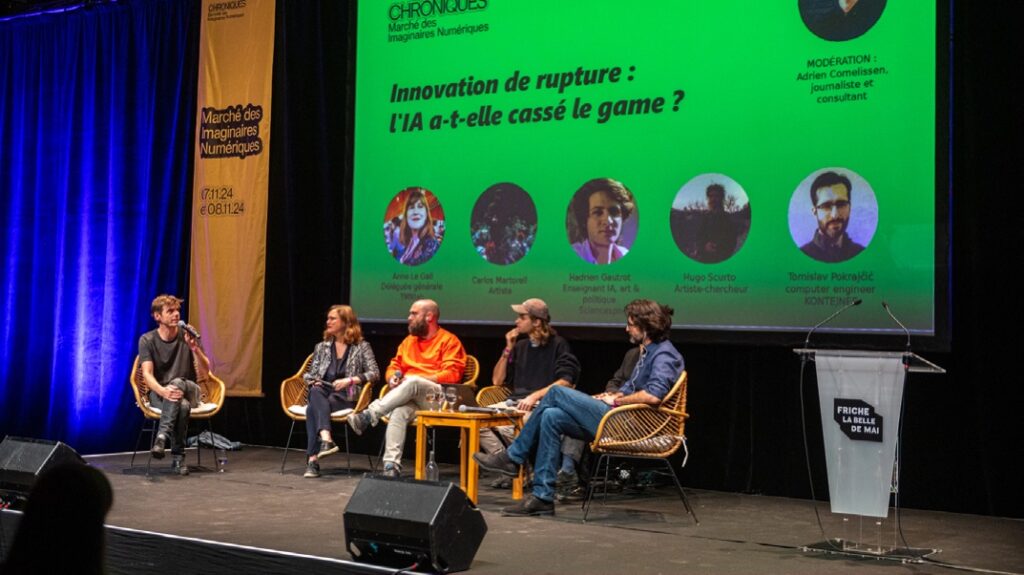
In Aix-Marseille, the biennial CHRONIQUES has chosen an original approach to diversify its income streams. At the opening of its 2025 edition, it launched the Marché des Imaginaires Numériques (MIN), an event dedicated to cultural and creative industries. Organised last November, the marketplace combined conferences, workshops, and a fair where start-ups and businesses from the cultural and creative industries (CCI) presented their projects. “Exhibitors contributed financially. Everyone benefits. It’s a way to showcase the attractiveness of the region and to reaffirm Chroniques’ position as an economic driving force beyond its artistic and cultural activity,” explains Fabien Fabre.
This event-based strategy mirrors that of Kontejner in Zagreb, although the Croatian organisation stands out with its hybrid model. It has created a social enterprise, of which the parent association is a shareholder, to commercialise a fully equipped space and offer additional services such as talks or creative workshops. “The goal is to build a real community around this offer. In the long run, Kontejner could operate like a social club, bringing together citizens, artists, partners and companies,” says Fabien Fabre.
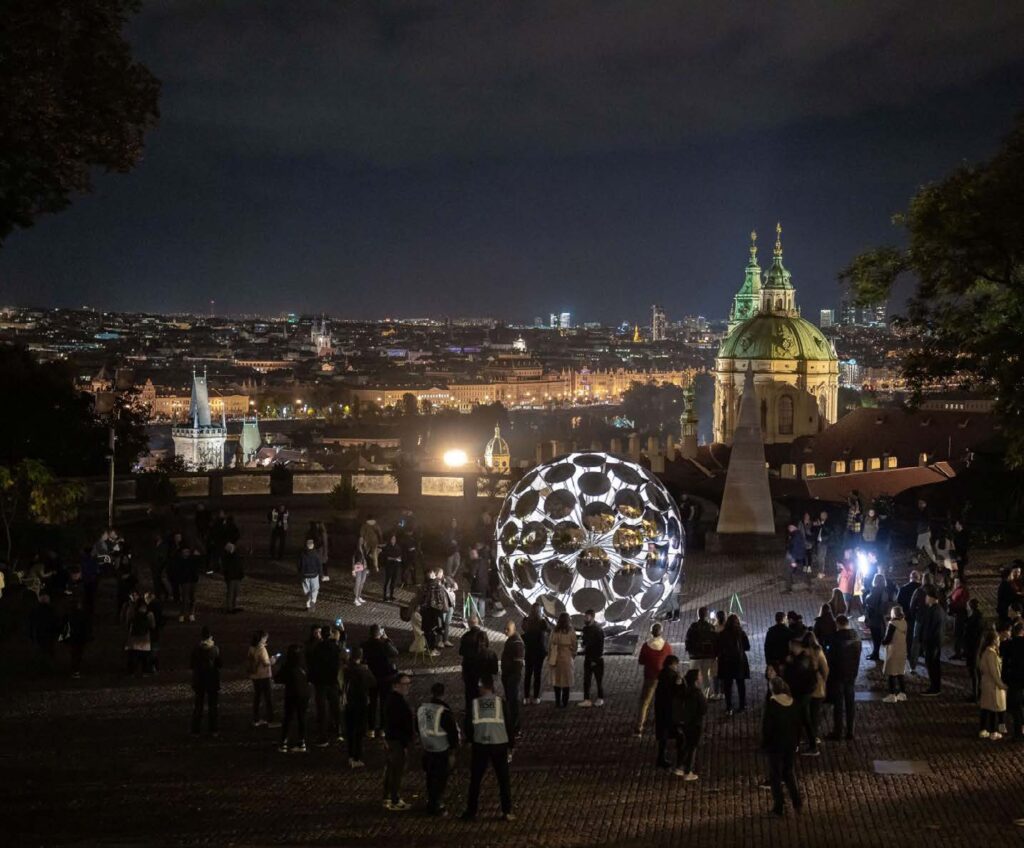
Meanwhile, Kikk in Namur and Signal in Prague have chosen different commercial strategies. In 2022, KIKK inaugurated a new venue: Le Pavillon, which produces temporary exhibitions primarily aimed at the local and national public, as well as school groups. “What makes the initiative unique is the development of a community of individual and professional patrons around the project’s values,” comments Fabien Fabre, referring to the Klub Pavillon. Patronage clubs—already common in other arts sectors (opera, dance…)—are still largely underused in the digital arts field. Signal Festival, for its part, is developing new revenue streams via premium paid experiences, such as the Gallery Zone, offering exclusive access to digital art installations. While the festival currently attracts over 200,000 visitors annually to its free sections, “the aim of the project is to build on the strong attachment to the festival by refining audience segmentation, improving the value proposition of paid zones and increasing the conversion rate from free visitors to paying customers,” explains Fabien Fabre. All of these initiatives reflect a shared ambition to explore new avenues to finance and sustain cultural organisations while leveraging local synergies.
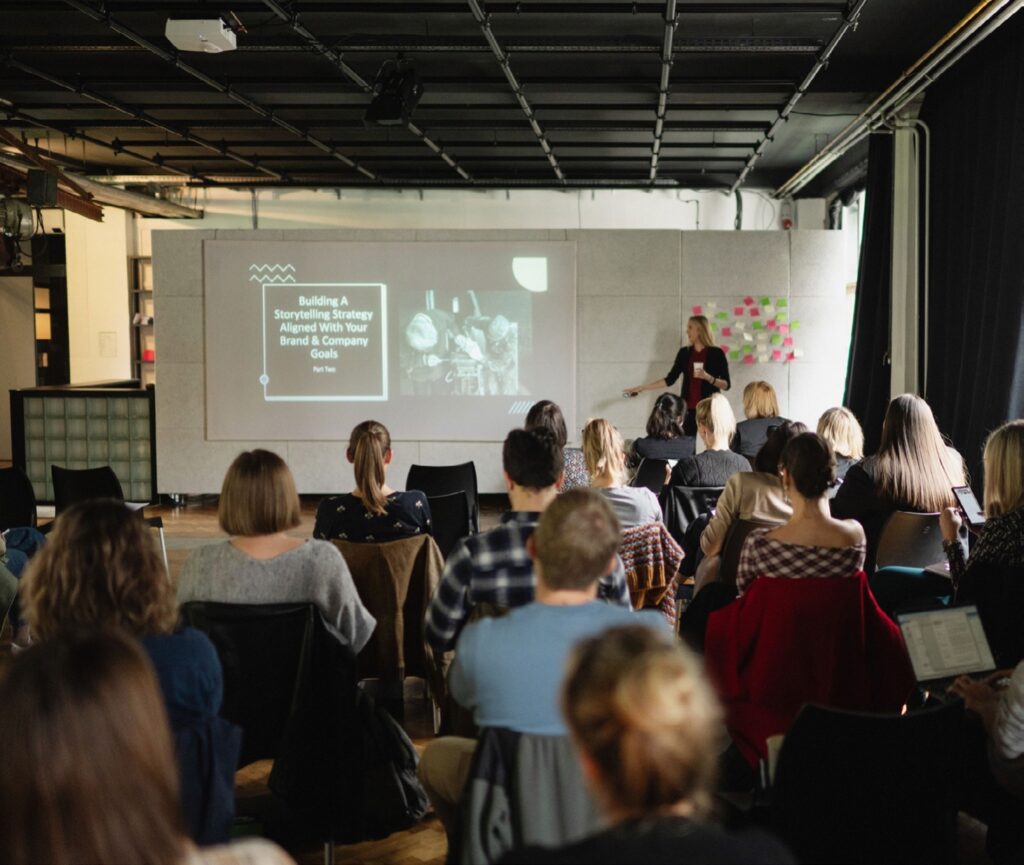
Launched just a year ago, the economic initiatives of the four cultural organisations still require time to reveal their full financial potential. “In a year, we’ll have enough distance to evaluate these approaches, but several lessons are already emerging,” says Fabien Fabre. Among these insights, the crucial importance of thoroughly understanding one’s ecosystem—both local and international—stands out as indispensable. This begins with a detailed study of audiences, a recommendation summed up by Martin Pošta, director of Signal Festival: “Invest in understanding your audience. Analysing visitor behaviour and expectations provides the essential information needed to create real value.”
In sectors such as music, these analyses are widespread, enabling precise segmentation and an in-depth understanding of behaviours, expectations and needs. “If we want to establish a fair ticketing policy, adapted to both audiences and organisations, this marketing step is essential,” adds Fabien Fabre. Music festivals have mastered this methodology; digital arts organisations would therefore benefit from doing the same. However, this approach remains uncommon in the cultural sector due to a lack of specific skills. “One of the keys to success is collaborating with qualified experts. Working with professionals—like the research agency that supported us—was essential for validating our data accurately,” explains Martin Pošta. For organisations in transition, investment in data and the associated expertise appears to be the strategic lever necessary for the long-term sustainability of their hybrid models.
While marketing is now recognised as a strategic axis for economic development in digital arts, communication remains an under-invested lever—despite being essential to support these transformations. This begins internally, as highlighted in the study conducted by Kikk Festival: “The first year is demanding in terms of team dynamics and resource allocation, but it helps to prepare internal communication more effectively.” A finding echoed by Fabien Fabre, who also stresses the importance of communication for reaching audiences, partners and clients. “For example, one area of improvement for the MIN (Marché des Imaginaires Numériques) would be to intensify communication in order to give it broader visibility,” he explains.
Paradoxically, this lack of investment contrasts with the practices of new private actors entering the mainstream immersive creation market. These organisations—often outside traditional institutions—are not hesitant to dedicate substantial resources to marketing and communication to promote their immersive exhibitions. “The problem is that these newcomers siphon off the value generated by digital creation, even though their artistic proposals are not always on par with those from established institutions,” comments Fabien Fabre. This competition raises a crucial question for historic digital arts actors: how can they regain ground against private operators who are far more aggressive on these levers?
Digital Inter/Section is preparing to conclude its study phase in February 2025 but remains committed to an ambitious goal: strengthening the ties between digital arts organisations and festivals across Europe. “There are far too few network initiatives at the European scale,” laments Fabien Fabre. In response, the team is considering launching a tour of conferences designed to create a shared space for reflection on the diversity of existing economic models. “The idea is to encourage these initiatives, share experiences and ultimately contribute to the economic resilience of the sector’s stakeholders,” he adds. By pooling knowledge and fostering transnational dialogue, Digital Inter/Section aims to help build a stronger and more sustainable European ecosystem for digital arts—a vital necessity for the years ahead.